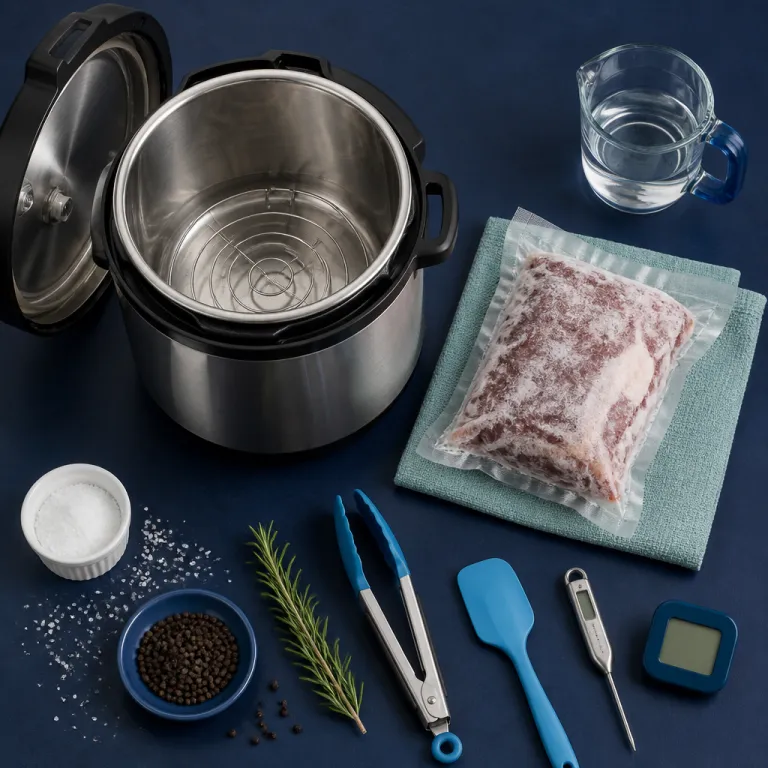
Why cooking frozen meat in an Instant Pot feels different
Using an electric pressure cooker to handle frozen meat in Instant Pot style meals changes how home cooks think about weeknight dinners. When you place meat frozen straight from the freezer into the pot, the sealed environment, high pressure, and precise cooking time work together to reach a safe internal temperature quickly. This combination of controlled pressure cooking and carefully managed minutes under heat allows you to turn frozen meats into tender dishes without sacrificing food safety.
Traditional stovetop cooking meat from frozen often leads to dry edges and a cold center, while the pressure cooker surrounds every piece with hot cooking liquid and steam. Inside an Instant Pot or similar cooker, frozen chicken, beef, or pork warms evenly because the pressure forces heat into the thickest parts of the meat. As long as you respect minimum cooking time guidelines from the manufacturer and allow either a natural release or a timed quick release, you can safely cook frozen meat without thawing first.
Many readers worry that meat frozen solid will stay unsafe in the middle, yet food safety guidance from agencies such as the United States Department of Agriculture (USDA) shows that properly managed pressure cooking raises internal temperatures above the danger zone when recipes are followed accurately. The USDA Food Safety and Inspection Service recommends that poultry reach at least 74 °C (165 °F) and that whole cuts of beef and pork reach at least 63 °C (145 °F) with a rest. The key is to treat each recipe for cooking frozen ingredients as a complete system that balances liquid, pressure, and minutes under heat. When you match the right setting on your Instant Pot to the cut of meat and confirm doneness with a food thermometer inserted into the center of the thickest piece, you gain both speed and reliability compared with a slow cooker or oven roast.
Safe cook rules for frozen meat in an Instant Pot
Food safety comes first when you cook frozen meat in any pressure cooker, because bacteria can survive if the internal temperature stays too low for too short a time. For boneless chicken breasts cooked from frozen in an Instant Pot, most food safety agencies recommend reaching at least 74 °C (165 °F) at the thickest point and holding that temperature briefly. To achieve this with meat frozen solid, you usually extend the pressure cooking time by about 50 percent compared with fresh pieces of similar size.
For example, if a fresh chicken breasts recipe calls for 8 minutes at high pressure with a natural release, cooking frozen chicken of the same weight will often need 12 minutes plus a full natural release. The natural release phase keeps the cooker hot while pressure drops slowly, which continues cooking meat gently and helps guarantee a safe cook throughout the center. Thermometer testing on home pressure cooker recipes, including those in many Instant Pot manuals and USDA consumer bulletins, indicates that internal temperatures often continue to rise by about 3 to 5 °C (5 to 9 °F) during a 10 minute natural release, so this resting phase is built into many frozen meat recipes.
Whole cuts of beef or a dense roast taken directly from the freezer require extra attention, because the mass of frozen meat slows heat transfer inside the pot. In these cases, choose recipes that specify both the correct cooking liquid volume and a generous cooking time, then verify doneness with a reliable probe thermometer placed into the geometric center of the roast. For beef steaks and whole muscle cuts, food safety guidelines typically recommend at least 63 °C (145 °F) followed by a short rest, while ground meats should reach 71 °C (160 °F) and pork roasts should reach at least 63 °C (145 °F) with resting time. By combining accurate timing, enough cooking liquid, and thermometer checks, you transform pressure cooking frozen ingredients from a guess into a controlled, repeatable process.
Best pressure settings and times for frozen chicken and beef
When planning frozen meat in Instant Pot meals, start by matching the cut of meat to the correct pressure setting and cooking time. Boneless chicken breasts cooked from frozen pieces usually perform best at high pressure for 10 to 12 minutes, followed by a 5 minute natural release before opening the cooker. This approach lets the muscle fibers at the surface relax slowly, which keeps juices inside and reduces the risk of stringy textures.
For frozen chicken thighs or mixed pieces, many recipes recommend 13 to 15 minutes at high pressure with a full natural release, because dark meat and bones slow heat movement. Cubed beef for stew or shredded beef tacos often needs 25 to 30 minutes at high pressure when the cubes go into the pot frozen, while a larger beef roast from the freezer may require 60 to 80 minutes depending on thickness. In every case, the Instant Pot or similar pressure cooker should contain at least 250 milliliters of cooking liquid to generate enough steam for safe pressure cooking, and the manufacturer’s manual should be consulted for the exact minimum liquid requirement for your specific model.
Vegetables such as carrots can share the pot with frozen meats, but they soften faster than beef or chicken, so you must plan layering carefully. Place dense frozen meats at the bottom in the cooking liquid, then rest carrots or other vegetables on a rack above when the recipe allows, which prevents overcooking. For searing or browning before adding liquid, many cooks rely on a separate pan or on the sauté function, and resources like this guide on how a sauté pan elevates everyday pressure cooker cooking can help you refine that step.
Layering vegetables and frozen meats for balanced meals
One advantage of cooking frozen meat in an Instant Pot is the ability to build complete one pot meals with vegetables and starches. To keep textures balanced, think about how quickly each ingredient reaches tenderness under pressure, then arrange the pot so that the slowest cooking meat sits closest to the heat source. Frozen chicken breasts or beef cubes should usually rest directly in the cooking liquid, while quicker cooking vegetables such as carrots, potatoes, or green beans sit on top or on a steaming rack.
When you cook frozen chicken with root vegetables, cut the carrots into large chunks of 3 to 4 centimeters so they do not turn mushy during the longer cooking time needed for meat frozen solid. Season the meat surface with salt, pepper, and dried herbs before adding liquid, because pressure cooking intensifies flavors and helps the seasoning penetrate. If you prefer firmer vegetables, you can pressure cook the frozen meats first, use a quick release, then add carrots and other vegetables for a shorter second cycle of a few minutes.
Some cooks like to add frozen meats and vegetables straight from the freezer to save preparation time, but this approach demands careful control of cooking time and release method. A full natural release after the main pressure phase gives both meat and vegetables a gentle finish, while a quick release keeps textures firmer but can cause starchy liquids to foam. For delicate vegetables or layered recipes, many experienced users alternate between quick release and natural release depending on whether the focus is perfectly cooked meat or crisp tender sides.
Adapting slow cooker recipes to pressure cooking frozen meat
Many home cooks own both a slow cooker and an electric pressure cooker, and they often ask how to adapt favorite slow cooker recipes for frozen meat in Instant Pot style cooking. The first step is to reduce the overall cooking time dramatically, because pressure cooking achieves in minutes what a slow cooker needs hours to accomplish. As a rough guide, a slow cooker recipe that simmers beef or chicken for 6 to 8 hours on low may convert to 25 to 35 minutes at high pressure when you cook frozen pieces.
Liquid levels also change when you move from a slow cooker to a sealed pressure cooker, since far less moisture evaporates under pressure. When adapting recipes, cut the cooking liquid volume by about one third, while still keeping at least the minimum required by your Instant Pot manual to reach and maintain pressure. Thick sauces based on tomato paste or cream can scorch at the bottom of the pot, so many cooks start with thinner liquids, then thicken after a natural release using a sauté setting.
Seasoning behaves differently too, because salt, pepper, and spices become more concentrated during pressure cooking frozen meals. If your original slow cooker recipe tastes perfectly seasoned, consider reducing salt slightly when you cook frozen chicken or beef under pressure, then adjust after tasting the finished dish. For inspiration on how pressure affects vegetables and grains alongside meat, resources such as this guide to making tender corn on the cob in a pressure cooker show how timing and layering influence final texture.
Practical recipes and timing examples for everyday frozen meats
To make the principles of cooking frozen meat in an Instant Pot more concrete, consider a simple chicken breasts recipe designed for busy evenings. Place 500 grams of chicken breasts into the pot straight from the freezer, sprinkle with salt, pepper, and garlic powder, then add 250 milliliters of broth as the cooking liquid. Set the cooker to high pressure for 12 minutes, allow a 5 minute natural release, then finish with a quick release and check that the internal temperature has reached at least 74 °C (165 °F) at the center of the thickest piece.
For a basic beef stew using meat frozen cubes, combine 700 grams of beef with onions, carrots, potatoes, and 400 milliliters of stock, then pressure cook for 30 minutes at high pressure with a full natural release. This method turns tough frozen meats into tender bites while keeping vegetables intact, especially when you cut carrots and potatoes into larger chunks. If the sauce seems thin after opening the cooker, switch to sauté mode and simmer for a few minutes to reduce, which concentrates flavors without overcooking meat.
Home cooks often ask whether they can cook frozen chicken and other frozen meats directly from the freezer without any thawing, and the answer is yes when you follow tested recipes and respect safe cook temperatures. Always ensure that the pot contains enough liquid to build pressure, that the cooking time is extended for meat frozen solid, and that you choose the right balance between quick release and natural release for your texture goals. With practice, you will build a personal collection of reliable recipes for cooking meat from frozen pieces that fit your schedule and taste preferences.
Key statistics on pressure cooking frozen meat safely
- Food safety guidelines from agencies such as the United States Department of Agriculture state that chicken, including frozen chicken cooked under pressure, must reach at least 74 °C (165 °F) internally to be considered safe, which is why most Instant Pot recipes for chicken breasts from frozen specify both a minimum time and a thermometer check.
- Comparisons between pressure cooking and traditional boiling methods show that sealed pressure cookers can reduce active cooking time by up to about 70 percent for dense meats, which explains why a beef stew from frozen cubes may need only 30 minutes at high pressure instead of several hours on the stovetop.
- Surveys and user feedback from electric pressure cooker communities indicate that many owners regularly cook frozen meats without thawing, highlighting the importance of clear guidance on cooking liquid amounts, natural release versus quick release, and safe cook temperatures.
- Thermometer testing on typical home pressure cooker recipes, including USDA consumer tests and manufacturer sample recipes, indicates that internal temperatures often continue to rise by 3 to 5 °C (about 5 to 9 °F) during a 10 minute natural release, which supports recommendations to include this resting phase when cooking frozen meat in an Instant Pot.
FAQ about cooking frozen meat in an Instant Pot
Can I safely cook frozen meat in an Instant Pot without thawing
Yes, you can safely cook frozen meat in an Instant Pot as long as you use enough cooking liquid, extend the cooking time compared with fresh meat, and verify that the internal temperature reaches at least 74 °C (165 °F) for poultry and 63 °C (145 °F) or higher for whole cuts of beef or pork, followed by a brief rest. Pressure cooking from frozen works because the sealed pot raises temperatures quickly and evenly. Always follow tested recipes and use a thermometer for thick pieces.
How much longer should I cook frozen chicken breasts under pressure
When you cook frozen chicken breasts under pressure, plan to increase the cooking time by about 50 percent compared with fresh pieces of similar size. For example, if fresh chicken needs 8 minutes at high pressure, frozen chicken usually requires 12 minutes plus a short natural release. Check the thickest part with a thermometer and return to pressure for a few more minutes if needed.
Should I use quick release or natural release for frozen meats
Natural release is generally safer for large or dense frozen meats, because the gradual pressure drop keeps the cooker hot and continues cooking the center gently. Quick release works well for smaller cuts or when you want firmer vegetables in the same pot, but it stops the cooking process more abruptly. Many cooks combine both methods, allowing a brief natural release before finishing with quick release.
Can I cook vegetables and frozen meat together in one pot
Yes, you can cook vegetables and frozen meat together, but you must consider how quickly each ingredient softens under pressure. Place dense frozen meats at the bottom in the cooking liquid and layer sturdier vegetables such as carrots or potatoes on top, leaving delicate vegetables for a shorter second cycle if needed. This approach prevents overcooked vegetables while ensuring that the meat reaches a safe cook temperature.
How much liquid do I need when pressure cooking frozen meat
Most electric pressure cookers, including the Instant Pot, require at least 250 milliliters of thin cooking liquid to reach and maintain pressure safely. When cooking frozen meat, this minimum becomes even more important, because the cold mass lowers the starting temperature inside the pot. Use broth, water, or a light sauce as the base, then thicken after cooking if you prefer a richer texture.
Reference table: typical Instant Pot times for frozen meats
| Cut and type of meat | Typical weight | Pressure level and time | Minimum liquid | Release method |
|---|---|---|---|---|
| Boneless chicken breasts (frozen) | 500 g total | High pressure, 10–12 minutes | 250 ml thin liquid | 5 minute natural release, then quick release |
| Bone in chicken thighs or mixed pieces (frozen) | 800 g–1 kg | High pressure, 13–15 minutes | 250–300 ml thin liquid | Full natural release |
| Beef stew cubes (frozen) | 700 g | High pressure, 25–30 minutes | 350–400 ml stock or water | Full natural release |
| Beef chuck roast (frozen, thick cut) | 1–1.3 kg | High pressure, 60–80 minutes | 350–500 ml cooking liquid | 10–15 minute natural release, then quick release |
| Pork shoulder roast (frozen) | 1–1.5 kg | High pressure, 60–75 minutes | 350–500 ml broth or water | Full natural release |
Instant Pot frozen meat troubleshooting guide
- Thermometer placement: Insert an instant read thermometer into the center of the thickest piece of meat, avoiding bones and the metal trivet. For roasts, test in several spots to confirm the lowest reading still meets USDA guidance.
- Undercooked center: If the internal temperature is below 74 °C (165 °F) for poultry or below the recommended level for beef or pork, lock the lid again and return to high pressure for 2 to 5 additional minutes. Use a quick release, recheck the temperature, and repeat in short increments until the meat reaches a safe cook temperature.
- Overcrowding and stacking: Do not pack the pot tightly with frozen meat or stack large solid blocks, because this slows heat penetration and can leave cold spots. Arrange individual pieces in a single, loosely layered layer with space for liquid and steam to circulate, and follow the Instant Pot manual for maximum fill levels.
- Insufficient liquid: If the cooker shows a burn or no pressure message, cancel the program, release pressure, and add more thin liquid before restarting. Always meet or exceed the minimum liquid requirement listed in your electric pressure cooker manual when cooking frozen meat.