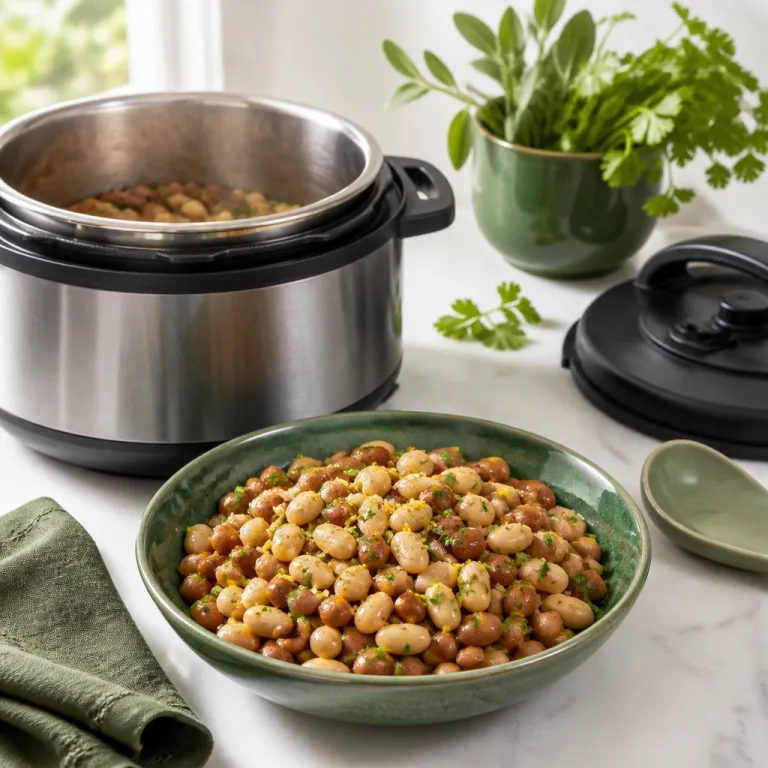
Why pressure cooking beans in an electric cooker changes everything
Learning how to pressure cook beans in an electric cooker transforms weeknight meals. By using controlled high pressure and precise cooking time, you turn humble dried beans into tender protein in under an hour. This approach replaces long soaking and simmering with a clean electric pot that manages heat, steam, and pressure release for you.
Traditional cooking beans on the stove can take several hours, while an electric pressure cooker cuts that time to tens of minutes. Inside the sealed pot, water turns to steam, steam builds pressure, and that high pressure forces heat deep into every bean. Because the cooker maintains a stable temperature around 115 °C (about 239 °F at typical high pressure), you get evenly cooked beans with a creamy interior and intact skins.
For anyone comparing dry beans with canned options, the electric instant pot style cooker offers better texture and lower cost. You measure your beans, add water and salt carefully, then set the cook time instead of constantly checking a simmering pot. Once the minutes countdown finishes, you choose either a quick pressure release or a natural pressure release, which both affect how soft your cooked beans become.
Essential equipment and ratios for reliable bean pressure cooking
To master how to pressure cook beans, you first need the right cooker and a few simple tools. An electric pressure cooker or branded Instant Pot model keeps high pressure stable, while a basic kitchen scale and measuring cups help you control water and salt. A heat resistant spoon, a colander for soaking beans, and a timer for tracking cooking time complete a reliable setup.
For most dried beans, a common ratio is one part bean to three parts water by volume. That means one cup of black beans or pinto beans needs about three cups of water in the pot, with enough headspace for steam and foam under high pressure. As a rule of thumb, keep the combined level of beans and liquid below the halfway mark of the inner pot when cooking unsoaked beans. If you want firmer cooked beans for salads, reduce the water slightly and shorten the cook time by a few minutes, then test and adjust for your next recipe.
Salt can be added either before or after pressure cook cycles, but adding a modest amount at the start seasons the bean skins more deeply. Many home cooks use about 5 millilitres (about 1 teaspoon of fine table salt) per cup of dry beans, then taste and add more salt after the pressure release. When you plan summer batch cooking beans to keep your kitchen cool, an electric cooker is ideal, and guides on keeping your kitchen cool with pressure cooking show how to combine pot beans with chilled salads and salsas.
Soaking, rinsing, and preparing dried beans for the pot
Preparation shapes both flavor and texture when you pressure cook beans from dry. Start by sorting the dried beans on a tray, removing stones or damaged bean pieces, then rinse them under running water until it runs clear. This simple step reduces surface starch and dust, which helps control foam inside the cooker at high pressure.
Soaking beans in plenty of water for 8 to 12 hours shortens cooking time and can make cooked beans easier to digest. Place your dry beans in a large bowl, cover them with at least triple their volume of water, and add a small pinch of salt if you like a more seasoned soak. After soaking, drain and rinse again, then transfer the soaked beans to the instant pot or other electric pressure cooker, ready for fresh water and aromatics.
Some people prefer no soaking, especially when using an Instant Pot or similar cooker, and simply extend the cooking time by several minutes. Unsoaked black beans or pinto beans usually need more minutes at high pressure, but they still become tender thanks to the sealed pot environment. For busy evenings, you can even cook beans and shredded chicken together, using ideas similar to fast weeknight pressure cooker tacos to build complete meals around pot beans.
Step by step: how to pressure cook beans in an electric cooker
Once your beans are rinsed or soaked, the actual cooking steps stay simple and repeatable. Place the beans in the cooker pot, add fresh water to cover them by about 3 to 5 centimetres (roughly 1 to 2 inches), then stir in salt and any aromatics such as onion, garlic, or bay leaves. Check that the sealing ring is correctly placed, close the lid, and set the valve to the sealing position before choosing the pressure cook program.
For most medium sized beans, select high pressure and set the cook time between 20 and 35 minutes, depending on whether the beans were soaking. Black beans that were soaked often need about 20 to 25 minutes, while unsoaked black beans may require 30 to 35 minutes to reach a creamy texture. Pinto beans behave similarly, though some varieties soften faster, so it is wise to start with a shorter cooking time and then add a few extra minutes if the beans are still firm.
When the cook time ends, you decide between a quick pressure release and a natural pressure release, which both change the final texture. A quick release vents steam immediately and keeps beans slightly firmer, while a natural release lets pressure fall slowly and often yields softer cooked beans. After the float valve drops, open the lid away from your face, test a bean for doneness, and if needed, cook beans for a few more minutes under high pressure with a little extra water.
Timing guidelines for black beans, pinto beans, and mixed varieties
Different bean varieties respond differently to pressure, so timing matters as much as water ratios. Black beans, small red beans, and pinto beans all soften faster than very large kidney beans or chickpeas, which means you must adjust both cooking time and water depth. When learning how to pressure cook beans, keep a simple notebook of cook time, water level, and final texture for each bean type.
For soaked black beans, many electric pressure cooker users report reliable results at 20 to 22 minutes on high pressure with a natural pressure release. Unsoaked black beans usually need 30 to 35 minutes at high pressure, again followed by at least 10 minutes of natural release before venting any remaining steam. Soaked pinto beans often reach a tender but intact stage at 22 to 25 minutes, while unsoaked pinto beans may require 35 to 40 minutes, especially if the dried beans are older.
Mixed pot beans, such as a combination of black beans, pinto beans, and small white beans, should be timed for the slowest cooking variety in the mix. If you want firmer beans for salads, shorten the cooking time by 3 to 5 minutes and rely on a full natural pressure release to finish gentle cooking. For very old dry beans that remain tough, you may need to add water, return the cooker to high pressure, and cook beans for another 5 to 10 minutes until the cooked beans reach your preferred softness.
Seasoning, storing, and using cooked beans in everyday meals
Seasoning at the right stage turns plain cooked beans into a versatile base for many recipes. Lightly salt the cooking water at the start, then taste and add more salt once the beans are tender, because salt levels concentrate as water reduces in the pot. Aromatics such as garlic, onion, bay leaf, and a small piece of kombu seaweed can infuse flavor without changing the basic bean profile.
After the pressure release and lid opening, let the beans cool slightly in their cooking liquid, which helps them stay moist and creamy. Store cooked beans in the refrigerator, fully covered with their cooking water, for up to three or four days, or freeze them in labelled containers for longer storage. When you reheat beans instant style for quick meals, you can simmer them briefly with tomato, spices, and fresh herbs to build a complete recipe in just a few minutes.
Using cooked beans across the week reduces food waste and keeps meal prep efficient, especially during hot weather when you want minimal stove time. One batch of pot beans can become black beans for tacos, pinto beans for soups, and mixed beans for salads, all starting from the same pressure cooker session. If you plan your cooking beans schedule around cooler morning hours, an electric cooker helps you beat the heat while still serving satisfying high protein meals.
Troubleshooting common problems when you pressure cook beans
Even with a reliable electric pressure cooker, beans sometimes emerge too firm, too soft, or unevenly cooked. When beans are undercooked after the first cycle, the solution is usually to add a little more water, return the pot to high pressure, and extend the cook time by 5 to 10 minutes. Very old dry beans can resist softening, so keeping track of purchase dates and rotating your pantry stock helps maintain predictable cooking time.
If beans split or become mushy, the combination of too much water and too long at high pressure is often responsible. Next time, reduce the water slightly, shorten the pressure cook phase by a few minutes, and rely on a natural pressure release to finish gentle cooking without violent boiling. Avoid stirring vigorously right after the pressure release, because hot cooked beans are fragile and can break apart easily in the pot.
Foaming and sputtering during a quick pressure release usually mean the pot was too full or the beans were not rinsed thoroughly. To prevent this, never fill the cooker more than halfway with beans and water, and always rinse both dry beans and soaked beans before cooking. If you want to keep your kitchen cooler while troubleshooting and refining your method, resources on summer meal prep with pressure cooking show how to schedule beans efficiently alongside other dishes.
Key figures about pressure cooking beans
- Pressure cooking soaked beans typically reduces active cooking time by around 60 to 70 percent compared with stovetop simmering, based on timing comparisons reported by several consumer cooking guides and pressure cooker manufacturers.
- One cup of dried beans yields roughly 2.5 to 3 cups of cooked beans, which makes bulk pressure cook batches highly economical for families and meal prep.
- Many electric pressure cookers are rated to use substantially less energy than an oven for similar cooking tasks, according to comparative measurements in consumer energy reports and manufacturer efficiency data.
- Black beans and pinto beans usually reach a safe and tender state at internal temperatures above about 96 to 99 °C (205 to 210 °F), which high pressure environments achieve consistently.
- Natural pressure release can extend the effective cooking time by 10 to 20 minutes, so home cooks should factor this into total recipe planning.
FAQ about pressure cooking beans in an electric cooker
How much water should I use when pressure cooking beans?
For most dried beans, use about three parts water to one part bean by volume in the cooker pot. Ensure the water level stays a few centimetres below the maximum fill line to allow for foam and steam. If you prefer a thicker bean broth, reduce the water slightly and adjust after your first test batch.
Do I always need to soak beans before using a pressure cooker?
Soaking beans is not strictly required when you use high pressure, but it offers benefits. Soaked beans usually cook faster, more evenly, and can be easier to digest for some people. If you skip soaking, simply increase the cooking time by several minutes and check for tenderness after the first cycle.
When should I add salt to pressure cooked beans?
You can add a modest amount of salt to the cooking water at the beginning, then adjust seasoning after the beans are tender. Early salting helps flavor penetrate the bean skins, while final salting fine tunes taste. Avoid very heavy salting at the start, because the liquid reduces slightly under pressure and can concentrate saltiness.
Why are my beans still hard after pressure cooking?
Beans that remain hard after a full cook time are often very old or were stored in hot, dry conditions. Return them to the cooker with a little extra water, set high pressure again, and cook for another 5 to 10 minutes before checking. For future batches, buy beans from stores with high turnover and label bags with purchase dates.
Can I cook different types of beans together in one batch?
You can cook mixed beans in a single pressure cooker batch, but choose varieties with similar sizes and cooking times. When combining faster cooking beans with slower ones, base your timing on the slowest variety and accept that some beans may become softer. Many home cooks prefer to cook beans in separate batches, then mix the cooked beans later in soups, salads, or stews.