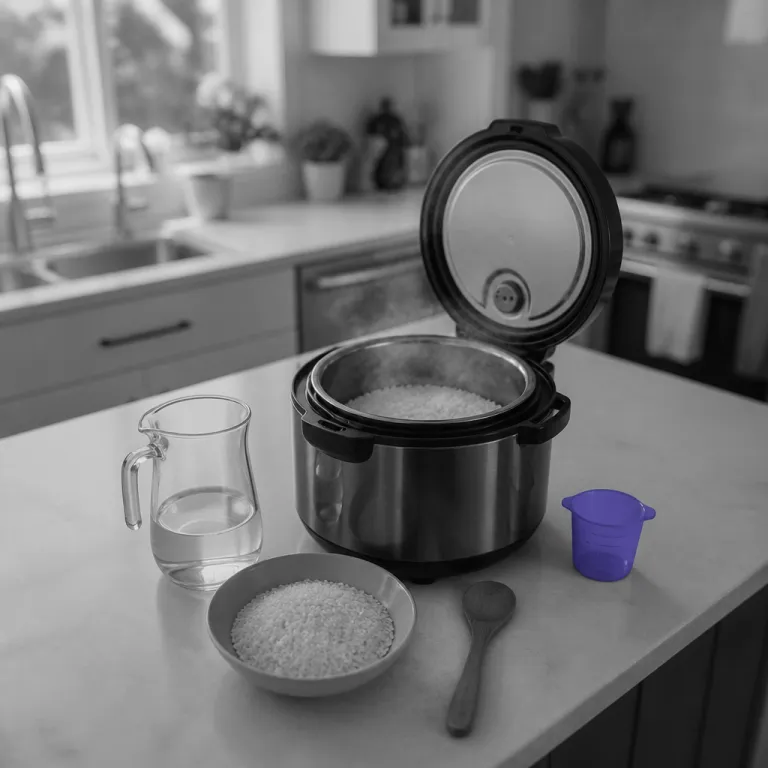

Why a rice pressure cooker changes everyday cooking
A modern rice pressure cooker reshapes how you handle everyday meals. By combining electric pressure technology with precise cooking time control, this compact pot turns rice into a reliable staple rather than a risky side. You gain predictable results in minutes while freeing attention for sauces, vegetables, or protein.
Unlike a basic rice cooker, a multi function electric pressure cooker manages heat, steam, and water more accurately. The sealed pot maintains high pressure, so water penetrates each grain of white rice or brown rice quickly and evenly, which shortens cooking time without sacrificing texture. This pressure cooking environment also locks in aroma, so a simple rice recipe tastes fuller and more nuanced.
For people who often cook rice on the stovetop, the shift feels significant. You no longer watch the pot or worry that a bit too much heat will burn the bottom layer and waste both rice and time. With a well programmed pressure cooker, you set the minutes, press start, and the cooker will handle the rest while you prepare vegetables or clean the kitchen.
Choosing the right electric pressure cooker for rice
Selecting a rice pressure cooker starts with capacity and control. A 3 litre pot suits one or two people, while a 6 litre cooker offers enough space to cook rice for families or batch cooking. Think about how many cup measures of white rice, brown rice, or black rice you usually cook, then match that to the inner pot size.
Look for models that offer a dedicated rice cooker program plus manual high pressure and low pressure settings. These options let you tailor cooking time minutes for different grains, from quick white rice to dense brown rice that needs a bit more pressure cooking to soften the bran. Multi function designs such as the Cosori 6 quart 9 in 1, reviewed as an Amazon bestseller on this detailed multi cooker test page, show how one appliance can handle rice, soups, and stews with equal ease.
Control panels should feel intuitive, especially if you are new to pressure cook appliances. Clear buttons for rice, pressure cook, keep warm, and cancel reduce mistakes when you cook rice on busy evenings. A good electric pressure cooker will also include safety systems that manage pot pressure automatically, so you never need to guess when it is safe to open the lid.
Mastering water, rinsing, and ratios for perfect grains
Perfect rice in a pressure cooker begins with understanding water ratios. Because the pot is sealed during pressure cooking, less water evaporates compared with a saucepan, so you usually need less water per cup of rice. For many long grain white rice varieties, a ratio close to one cup of rice to one cup of water works well under high pressure.
Always rinse rice before cooking rice in an electric pressure cooker, unless the package clearly states no rinsing is required. When you rinse rice under cold water, you remove surface starch that can otherwise create a gummy texture in the pot, especially when you cook rice instant style with short cooking time minutes. For brown rice and black rice, rinsing also removes dust from milling and helps the grains hydrate more evenly during pressure cook cycles.
Different grains need adjusted water rice ratios and minutes under pressure. Brown rice usually needs a bit more water and a longer cooking time than white rice, because the bran layer slows water absorption in the pot. Black rice often benefits from a short soak before pressure cooking, which softens the outer layer and helps the cooker produce tender grains without splitting them.
For quick reference, the following chart summarises typical starting points for an electric pressure cooker at sea level. Actual results vary with model, age of grain, and personal texture preference, so treat these as guidelines rather than strict rules:
- Long grain white rice: 1 cup rice to about 1 cup water, 3–5 minutes on high pressure, 10 minutes natural release.
- Short grain white rice: 1 cup rice to roughly 1.1 cups water, 4–6 minutes on high pressure, 10 minutes natural release.
- Brown rice: 1 cup rice to 1.25 cups water, 20–25 minutes on high pressure, 10–15 minutes natural release.
- Black rice: 1 cup soaked rice to 1.25 cups water, 18–22 minutes on high pressure, about 10 minutes natural release.
Step by step method for white rice in an instant style pot
To cook rice in an instant style electric pressure cooker, start with measuring. Add one cup of white rice to the inner pot, then rinse rice under running water until it runs mostly clear, which usually takes a few gentle swirls. Drain well, then add an equal cup of water, a pinch of salt if you like, and smooth the grains into an even layer.
Close the lid, set the valve to sealing, then choose the rice or pressure cook program on high pressure. For standard long grain white rice, a cooking time of about 4 minutes under full pot pressure usually works in many instant style models at lower altitudes, followed by a natural release of roughly 10 minutes before you open the cooker. This combination of short active minutes and gentle resting time allows steam to finish cooking rice without breaking the grains, so the final texture feels light and separate.
When the resting time minutes end, carefully vent any remaining pressure, then open the lid away from your face. Use a fork or rice paddle to fluff the pot rice, lifting from the bottom so trapped steam escapes and the rice cools slightly. At this step, you can fold in a bit of butter, herbs, or finely chopped vegetables to turn plain rice instant style into an easy side dish that will suit many recipes.
Adapting cooking time for brown rice and black rice
Whole grain varieties behave differently in a rice pressure cooker, so timing matters. Brown rice keeps its bran and germ, which means each grain needs more water and more minutes under high pressure to become tender. Black rice, sometimes called forbidden rice, has a thicker outer layer that also responds well to the steady heat of pressure cooking.
For brown rice, many cooks use about one cup of rice to one and a quarter cups of water in the pot. Set the electric pressure cooker to pressure cook on high pressure for roughly 22 minutes at sea level, then allow at least 10 minutes of natural release time before venting the remaining pot pressure. This longer cooking time lets water penetrate the bran while the sealed cooker prevents excessive evaporation, so the grains stay moist rather than dry or chalky.
Black rice often benefits from a short soak of 20 to 30 minutes in water before you cook rice in the pressure cooker. After draining, use a similar water rice ratio to brown rice, then set the cooking time minutes slightly shorter, around 18 to 20 minutes at high pressure with a 10 minute natural release, and test a small bit of grain after release to refine your preferred texture. Over a few recipes, you will learn how your specific cooker, whether an instant pot style model or another brand, handles these more robust grains.
Multi function pressure cookers for complete one pot meals
Once you trust your rice pressure cooker for basic grains, it becomes a tool for full meals. Multi function electric pressure models combine pressure cook, sauté, slow cook, and rice cooker programs, so you can brown aromatics, add rice and water, then finish everything under high pressure in the same pot. This one pot pressure approach reduces washing and keeps flavours concentrated in the cooking rice.
For example, you might sauté onions and spices directly in the pot, stir in brown rice, then add measured water rice and vegetables for a complete vegetarian dish. Set the cooker to pressure cooking mode, choose the right cooking time minutes for brown rice, and let the appliance manage pot pressure while you prepare a salad or set the table. Detailed reviews such as this test of a 6 litre 23 in 1 electric multi cooker show how versatile these designs can be for busy households.
Some advanced models, like the Nutricook Smart Pot 2 Prime described on this in depth smart pot pressure cooker review, integrate guided recipes and automatic adjustments. These features help new users follow each step of a rice recipe with confidence, from rinsing to setting time to releasing steam. Over time, you will learn which recipes suit quick instant style pressure cooking and which benefit from slower methods like simmering or steaming.
Practical tips, safety, and maintenance for reliable results
Consistent results from a rice pressure cooker depend on simple habits. Always check the silicone sealing ring, steam valve, and inner pot before cooking rice, because any damage or misalignment can affect pot pressure and extend cooking time minutes unexpectedly. Make sure the inner pot is dry on the outside before placing it in the cooker, which protects the electric pressure base from moisture.
After each use, wash the inner pot, lid, and removable parts with warm water and mild detergent. Starch from white rice, brown rice, or black rice can build up around the steam release parts, so a quick scrub keeps pressure cooking efficient and safe for future recipes. If odours linger after strongly seasoned dishes, you can run a short pressure cook cycle with water and a bit of lemon to refresh the cooker before your next rice recipe.
Over time, you will refine your preferred ratios, minutes, and release methods for different grains. Keep a small notebook or digital note where you record each step, including how much water rice you used and whether you chose natural or quick release, because these details help you repeat perfect batches. With care and attention, an instant pot style pressure cooker becomes a reliable partner for cooking rice, soups, and many other easy meals that fit smoothly into daily life.
Key statistics about rice pressure cookers and rice cooking
- Global rice consumption exceeds 500 million metric tonnes of milled rice annually according to the Food and Agriculture Organization of the United Nations (FAO, latest statistical yearbooks), which explains why efficient cooking methods such as pressure cooking have become central in many households.
- Electric pressure cookers typically reduce cooking time for white rice by around 50 percent compared with traditional stovetop simmering, based on comparative kitchen tests reported by independent consumer testing organisations such as Consumer Reports for common household models.
- Energy use studies from the U.S. Department of Energy and related efficiency programmes indicate that a modern electric pressure cooker can use up to about 60 percent less electricity than an electric oven for similar quantities of food, which benefits frequent rice cooking.
- Market analyses from firms such as Statista indicate that multi function electric pressure cookers, including instant pot style devices, now represent a significant share of small kitchen appliance sales, driven largely by interest in easy one pot recipes.
FAQ about using a rice pressure cooker
How much water should I use for white rice in a pressure cooker ?
For most long grain white rice in an electric pressure cooker, start with roughly one cup of water for each cup of rice. Because the pot is sealed during pressure cooking, less water evaporates than on the stovetop, so you usually need less liquid. Adjust slightly up or down after a few batches until the texture matches your preference and note that higher altitudes may require a little extra water or time.
Do I need to rinse rice before pressure cooking it ?
Rinsing rice under cold water removes surface starch that can cause clumping. This step is especially helpful when you cook rice instant style at high pressure, because the intense heat can quickly turn excess starch into a sticky layer. Most cooks rinse white rice, brown rice, and black rice unless the package clearly advises against it.
Can I cook different types of rice together in one pot ?
Cooking mixed grains in a rice pressure cooker is possible, but you must match varieties with similar cooking time and water needs. For example, some people mix white rice with a small portion of wild rice, then choose a middle cooking time minutes that keeps both reasonably tender. Avoid combining very quick cooking white rice with much denser black rice, because one type will overcook before the other softens.
Is an instant style pressure cooker better than a basic rice cooker ?
An instant pot style electric pressure cooker offers more flexibility than a basic rice cooker, because it can sauté, steam, slow cook, and pressure cook in the same pot. If you mainly cook plain white rice, a simple rice cooker may be enough, but multi function pressure models handle a wider range of recipes. Many households choose pressure cookers to prepare rice, stews, beans, and yoghurt in one appliance.
How do I prevent rice from sticking to the bottom of the pot ?
To reduce sticking, always rinse rice thoroughly, measure water accurately, and avoid stirring after you add grains to the pot. Lightly oiling the inner pot or using a small bit of butter can also help, especially with starchy white rice. Allowing a short natural release after cooking time ends lets steam relax the grains, which makes it easier to fluff rice without scraping the bottom.