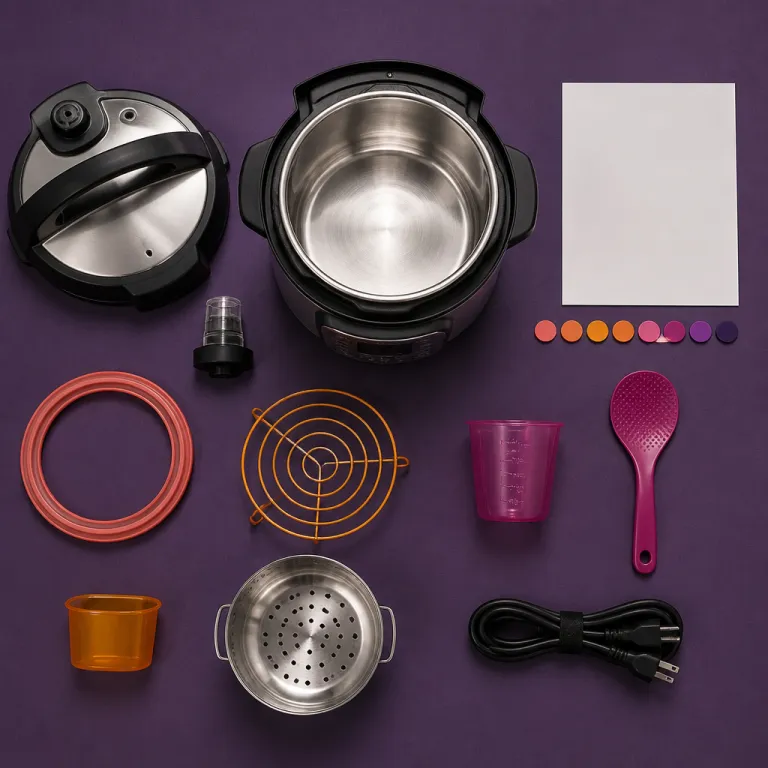
1. What size electric pressure cooker actually fits your life ?
The best electric pressure cooker for you starts with size. Capacity shapes how much food you can cook under pressure and how often you will reach for the cooker on busy nights. Think about your household, your freezer space, and whether you like to batch cook on weekends.
For most first time buyers, a 6 litre cooking pot hits the sweet spot. This size electric pressure cooker handles a whole chicken, a large pot of rice, or a full pot of slow cooking chili without feeling oversized on a small countertop. Singles and couples who rarely batch cook can look at 3 litre cookers, which heat faster and take less time to reach full cooking pressure.
Large families or meal prep fans should consider 7,5 to 8 litre models. An 8 litre stainless steel inner pot lets you pressure cook a double batch of beans or stock, then slow cook a big stew for the week. If you mainly cook for two but host occasionally, a 6 litre instant pot style cooker remains the best pressure compromise between everyday practicality and occasional crowd feeding.
2. Stainless steel or non stick inner pot : which trade off suits you ?
Every electric pressure cooker hides its real personality in the inner pot. Stainless steel pots reward patient cooks who like to sauté aromatics, deglaze well browned bits, and move confidently between pressure cooking and slow cooking. Non stick cooking pot designs make cleanup easy but usually wear faster under daily use.
If you care about durability and even cooking pressure, a stainless steel inner pot is usually the best electric pressure cooker choice. Bare steel tolerates metal utensils, higher stovetop pressure style searing when used on a hob, and repeated steam release cycles without flaking. It also handles sous vide bags, rice cooking, and thick stews without worrying about scratching a delicate coating.
Non stick inner pots still have a place, especially for people who hate scrubbing or often cook sticky food like sweet rice or cheesy pasta. Before you commit, read a focused guide on top electric pressure cookers with a non stick inner pot to see which model lines have been tested for coating longevity. If you choose non stick, treat the pot gently, avoid abrasive pads, and expect to replace the inner pot at least once during the cooker’s lifespan.
3. Which functions matter and which buttons are pure marketing ?
Modern electric pressure cookers promise everything from yogurt to air fryer crisping. The best electric pressure cooker for a first time buyer focuses on a tight core : pressure cook, sauté, slow cook, steam, and rice. Those five modes cover more than ninety percent of real weeknight cooking, from beans to curries to one pot pasta.
Extra modes like sous vide, cake, or sterilize can be useful but rarely justify a higher price on their own. Many instant pot style cookers simply repackage the same cooking pressure and time ranges under different preset names. A well designed control panel that lets you adjust time, temperature, and pressure level manually matters far more than a long list of presets you will never touch.
Digital controls also affect safety and ease of use. Look for a clear display, intuitive buttons, and a dedicated steam release control that keeps your hand away from hot steam. To compare how different model families handle digital settings, study a specialist overview of top electric pressure cookers with advanced digital controls. In practice, a simple, readable control panel beats a flashy but confusing interface every single busy Tuesday night.
4. How much pressure, power, and speed do you really need ?
Behind every electric pressure cooker is a heating element and a pressure system doing quiet work. Most mainstream pressure cookers run at a high pressure setting around 70 to 80 kilopascals, which shortens cooking time for beans, tough meat, and whole grains. Low pressure modes sit closer to 40 kilopascals and suit delicate food like fish or some vegetables.
For a first electric pressure cooker, you want at least two pressure levels and clear labels for high and low. High pressure cooking handles stews, rice, and batch cooking, while low pressure protects tender food from overcooking. Wattage matters too, because a 1000 to 1200 watt cooker will reach cooking pressure faster than a weaker model, especially in a 6 or 8 litre pot.
Do not chase the absolute best pressure rating on the box if it makes the cooker noisy or hard to control. A well balanced instant pot style model with stable cooking pressure, predictable steam release, and accurate time estimates will feel faster in daily use. Remember that pressure cooking speed is only helpful when the cooker heats evenly, seals reliably, and keeps your food from scorching on the bottom of the pot.
5. Which safety features turn pressure from scary to routine ?
Pressure cooking still intimidates many first time buyers, especially those who remember rattling stovetop pressure cookers. Modern electric pressure cookers add layers of safety that make pressure cooking as routine as using a microwave. Your checklist should start with a UL or equivalent safety listing, a locking lid, and a reliable pressure limiting valve.
A good electric pressure cooker will not let you open the lid while the pot is under high cooking pressure. Look for a clear indicator pin that shows when pressure remains inside the cooker, plus an automatic shutoff that cuts power if the inner pot overheats. The steam release system matters too, because a shielded steam release valve or lever keeps your hand away from the jet of steam when you quick release pressure.
Some instant pot and pot duo style models add extra backup vents and temperature sensors. These do not replace common sense, but they make pressure cook and slow cook modes safer for distracted home cooks. When you compare model families, read recall histories and user reports about lid failures or faulty control panel behavior, because a safe cooker should stay safe after years of daily cooking.
6. Do you really need air fryer lids, pot duo combos, and sous vide modes ?
Feature creep is the silent budget killer in the pressure cooker aisle. Brands now sell pot duo and pot pro style machines that combine electric pressure cooking, slow cooking, air fryer crisping, and even sous vide in one tall appliance. On paper, these cookers promise to replace half your kitchen, but in practice they often compromise on core pressure performance.
If this is your first electric pressure cooker, treat pressure cook, sauté, steam, rice, and slow cook as non negotiable. Then ask yourself how often you will actually use an air fryer lid or a sous vide mode, especially if you already own an oven or a separate air fryer. Many buyers end up using the pressure cooker functions daily while the extra lids and baskets gather dust in a cupboard.
A well built 9 in 1 cooker with a sturdy stainless steel inner pot and a clear control panel usually beats a flimsy 16 in 1 model with weak steam release hardware. When in doubt, read a focused breakdown of the three pressure cooker features that actually matter before paying for more buttons. The best electric pressure cooker is the one whose core functions you use every week, not the one with the longest marketing list.
7. How will you actually use slow cook, rice, and keep warm modes ?
Electric pressure cookers are often sold as slow cookers, rice cookers, and steamers in one body. In reality, not every model slow cooks as evenly as a dedicated ceramic crock, and not every rice preset matches a specialist rice cooker. You need to decide whether you want a true multi cooker or mainly a pressure cooker that can handle rice and the occasional slow stew.
If you already own a reliable slow cooker, you may only need a basic slow cook mode for keeping food warm or finishing a braise after pressure cooking. On the other hand, if you want one cooking pot to handle everything, look for tested models whose slow cooking performance has been compared directly with standalone cookers. Pay attention to how well the cooker holds a gentle simmer, because some electric pressure cookers run too hot on low slow cook settings.
Rice modes deserve similar scrutiny. A good instant pot style cooker should handle white rice, brown rice, and mixed grains without turning the bottom layer into a crust. Check whether the control panel lets you tweak time and water ratios, because that flexibility matters more than a long list of rice presets. When a cooker handles pressure cooking, rice, and slow cooking well, it earns its counter space and becomes your default weeknight pot.
8. What does build quality, warranty, and recall history tell you ?
Two electric pressure cookers can look similar on a shelf yet age very differently in a real kitchen. Build quality shows up in the thickness of the stainless steel inner pot, the sturdiness of the lid hinges, and the reliability of the control panel buttons. A heavier base often signals better heat distribution and more stable cooking pressure over time.
Before you buy, read the warranty terms carefully and search for past recalls on that cooker line. A brand that responds quickly to steam release valve issues or control panel faults usually treats safety and customer support as part of the product, not an afterthought. Pay attention to how easy it is to replace the silicone sealing ring, the inner pot, and small parts, because those wear items keep a pressure cooker safe and effective over years of cooking.
Price should track with tested durability, not just with a longer feature list. A mid range instant pot or pot pro model with a strong track record of safe pressure cooking beats a bargain cooker with flimsy steel and vague documentation. When you read long term tests, look for specific failure points like warped pots, unresponsive buttons, or inconsistent cooking time estimates, because those are the problems that turn a promising cooker into a cupboard orphan.
9. When should you actually buy, and what makes a fair price ?
Timing your purchase can stretch your budget without forcing you into a lesser cooker. Big sales events like Prime Day and Black Friday often bring deep discounts on popular instant pot and pot duo models, especially the 6 litre size. If you can wait, track prices for a few weeks to understand the real street price of your shortlisted cookers.
That said, paying full price for the best electric pressure cooker can still be rational if it will change your weeknight cooking immediately. If you are currently relying on takeout, a reliable electric pressure cooker that turns dried beans, frozen meat, and pantry rice into fast meals can pay for itself in a few months. Focus on the total value of safe, consistent pressure cooking, slow cooking, and rice cooking rather than chasing the lowest possible sticker price.
When comparing deals, ignore inflated “regular” prices and compare like for like : same capacity, same inner pot material, and similar control panel features. A slightly older model with a proven safety record and a solid stainless steel pot often beats the newest cooker with untested features. In the end, the right time to buy is when you have answered these nine questions clearly and can picture exactly how this cooker will handle your Tuesday night dinner.
Key figures about electric pressure cookers
- Market research from the United States shows that multi cookers, including electric pressure cookers, reached roughly 12 million household units in use, reflecting a steady shift from stovetop pressure models to electric designs.
- Consumer testing data indicates that high pressure cooking can reduce the cooking time for dried beans by up to 70 percent compared with conventional simmering, which explains why pressure cookers appeal strongly to busy home cooks.
- Energy use studies comparing a 6 litre electric pressure cooker with a standard electric oven found that pressure cooking a stew can use around 50 to 60 percent less electricity, depending on recipe and ambient kitchen temperature.
- Safety reports from major consumer organizations show that serious incidents with modern electric pressure cookers remain rare relative to the millions of units sold, but that most reported problems involve misuse of the lid or steam release system.
- Surveys of new owners suggest that more than half of buyers use their cooker at least once per week after the first month, but long term use drops when the control panel feels confusing or when the cooker’s slow cook performance disappoints.
FAQ
Is an electric pressure cooker safe for someone who has never used pressure before ?
Modern electric pressure cookers are designed with multiple safety systems, including locking lids, pressure limiting valves, and automatic shutoff, which make them far safer than old stovetop pressure cookers. For a first time user, choosing a model with a clear control panel, a visible pressure indicator, and a shielded steam release lever greatly reduces the chance of mistakes. Reading the manual once and following basic rules, such as not overfilling the pot and keeping the sealing ring clean, keeps everyday pressure cooking routine and predictable.
Can one electric pressure cooker really replace a slow cooker and a rice cooker ?
Many electric pressure cookers include slow cook and rice modes, and some models perform these tasks very well. A cooker with precise temperature control and a heavy inner pot can hold a gentle simmer for slow cooking and produce fluffy rice with consistent water absorption. However, if you are extremely particular about rice texture or already own a beloved slow cooker, you may still prefer those dedicated appliances for specific dishes.
What size electric pressure cooker should I buy for a family of four ?
For a typical family of four, a 6 litre electric pressure cooker offers the best balance between capacity and countertop footprint. This size can handle a whole chicken, a large batch of soup, or enough rice for leftovers without being too heavy to move or clean. If your family likes to batch cook for the freezer, stepping up to a 7,5 or 8 litre model can make sense, but it will take slightly longer to reach full cooking pressure.
How long does it usually take to cook dinner in an electric pressure cooker ?
Most weeknight meals in an electric pressure cooker take 30 to 60 minutes from start to finish, including the time needed to reach pressure and release steam. For example, dried beans that would take two hours on the stove can often be pressure cooked in about 35 to 40 minutes, while a beef stew might need 20 to 30 minutes at high pressure plus some resting time. Remember that recipes with a lot of liquid or a very full pot will take longer to come up to cooking pressure than smaller, lighter dishes.
Is stainless steel always better than non stick for the inner pot ?
Stainless steel inner pots are generally more durable, tolerate metal utensils, and excel at browning food before pressure cooking, which is why many experienced cooks prefer them. Non stick pots make cleanup easier and can be helpful for sticky dishes like cheesy pasta or sweet rice, but their coatings can wear out faster and may need replacement. The best choice depends on your priorities : if you value longevity and high heat searing, choose stainless steel, while if you prioritize effortless cleaning and gentle cooking, a quality non stick inner pot can still serve you well.