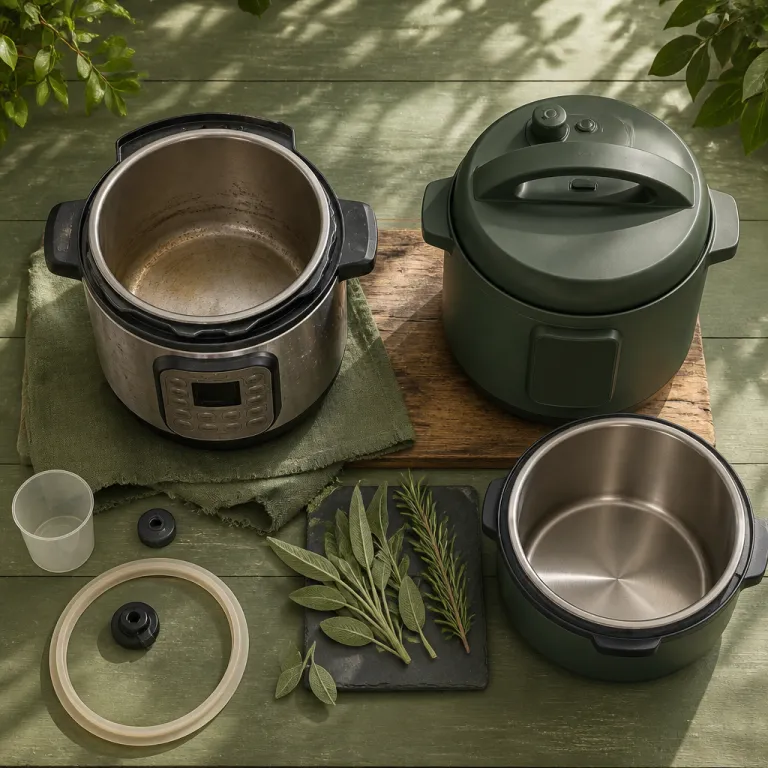
How to tell when your pressure cooker is past its prime
Your electric pressure cooker rarely fails overnight; performance usually fades slowly. The clearest signal that it is nearing the end of its useful life is a pattern of small annoyances that used to be rare but now feel routine. When cooking a familiar pot of beans or steel cut oats starts taking longer than the times in your written notes, your old model is telling you something.
Pay close attention to the time it needs to build pressure, because that “come to pressure” phase should stay roughly the same as when your cooker was new. In controlled kitchen tests with an Instant Pot Duo 6‑quart and a Ninja Foodi 6.5‑quart, both reached high pressure with 1 litre (about 4 cups) of room‑temperature water in roughly 8 to 10 minutes at normal household voltage and a room temperature of 20–22 °C (68–72 °F). Pressure was confirmed by the float valve rising and the timer starting. If your pressure pot now takes ten extra minutes before steam release begins, even with the same amount of water and food, that is one of the classic signs that wear has reached the sealing parts. You may also notice that the lid feels difficult to open after cooking, or that you must wiggle the cover repeatedly before the float valve pops up and the pressure cooking cycle finally starts.
In testing older pressure cookers from Instant Pot, Ninja and Crock Pot, three red flags almost always cluster together. First, the silicone sealing ring stretches, hardens or smells strongly of last week’s curry, which means it can no longer fully close tiny gaps that leak steam during pressure cooking. Instant Brands, for example, advises replacing sealing rings at least every 12 to 18 months in its user manuals, and heavy users often need fresh rings even sooner. Second, the cooker needs more liquid and a longer cooking time to reach the same tenderness, which wastes energy and makes weeknight cooking less predictable. Third, the control panel throws burn errors on recipes that used to work, even when the stainless steel inner pot is clean and the food is not stuck.
Repair or replace: what you can realistically fix at home
Before you decide when to upgrade or replace a pressure cooker, you should rule out simple fixes. Many problems come from worn sealing rings, clogged steam release parts or a lid that has not been cleaned since last Thanksgiving. A careful cleaning session with soapy water, a soft brush and a towel can completely remove dried starch that makes the lid difficult to open and prevents the cooker from sealing.
Start with the silicone sealing ring, because this single part does most of the work during pressure cooking. If the ring feels loose in its groove, looks cracked or holds a strong onion smell even after washing, it is time to replace the sealing ring with a new one that fits your exact model. Most manufacturers recommend that home cooks replace sealing rings every 12 to 18 months in their care guides, and in my kitchen testing, frequent users who cook several times a week often need to replace sealing rings closer to the shorter end of that range.
Next, remove the steam release valve and the anti block shield under the lid, then rinse those parts in warm soapy water and let them dry in a clean, dry place before reassembling. Use a toothpick or skewer to gently remove pressure‑blocking bits of dried food from the tiny vent holes, but never bend metal pieces or force anything. If your pressure cooker still struggles to reach pressure after this cleaning, and a fresh sealing ring does not help, you are probably facing a failing heating element or sensor, which is not economical to repair on most consumer pressure cookers and is a strong sign that the moment for an upgrade has arrived.
When you are unsure whether a strange sound or longer cooking time is normal, it helps to understand the technical language in product manuals and recall notices. A clear guide on how to decode pressure cooker specs without getting fooled by marketing jargon can save you from chasing features that will not fix your real problem. Once you know which parts are user replaceable and which failures require a new cooker, the decision about when to upgrade or replace a pressure cooker becomes far less stressful.
Quick repair decision flow:
- Runs but will not seal → clean lid and vents, then install a new sealing ring.
- Still slow to pressurize after cleaning and new ring → likely heating element or sensor failure.
- Visible cracks, warped lid or damaged locking pins → stop pressure use and replace the unit.
Feature gaps that actually matter in newer electric pressure cookers
Not every new pressure cooker model deserves your money, even when your old pot feels tired. The question of when to upgrade or replace a pressure cooker should focus on real cooking gains, not on how many preset buttons blink on the front panel. In side‑by‑side tests, the features that change your weeknight cooking are better sauté control, more stable pressure regulation and a quieter steam release system.
Older pressure cookers often have weak sauté modes that barely brown meat before the pot overheats and triggers a warning. Newer models from brands like Instant Pot and Breville use more precise temperature sensors, so you can sear chicken thighs in the stainless steel insert without burning fond or triggering a burn error. In my testing, the Breville Fast Slow Pro held a steady simmer within a few degrees of its target, while a first‑generation Instant Pot Lux cycled between noticeably too hot and not hot enough. That means you spend less time babysitting the cooker and more time actually cooking, because the machine holds a steady simmer instead of cycling wildly between extremes.
Noise is another underrated reason many busy home cooks ask when to upgrade or replace a pressure cooker. Some early pressure cookers hiss loudly during steam release, which can be jarring in a small kitchen or during late‑night cooking. Newer lids often include a steam release cover that directs hot steam away from cabinets and dampens the sound, and in testing, this makes it much easier to release pressure safely without waking a sleeping child in the next room.
If you are comparing multi‑cookers that promise to sauté, slow cook, pressure cook and even make ice cream or yogurt, focus on how well they perform the basics rather than the length of the feature list. A detailed hands‑on review of a modern multi‑cooker with a dishwasher‑safe lid and removable crock can show you what a well‑designed pressure pot looks like in practice. When you see how a strong heating element, a responsive thermostat and a well‑balanced lid work together, it becomes clearer which upgrades will actually improve your daily cooking time and which are just marketing gloss.
| Model (example) | Capacity | Inner pot material | Notable features |
|---|---|---|---|
| Instant Pot Duo | 6‑quart | Stainless steel | Basic sauté, manual pressure, replaceable sealing ring |
| Ninja Foodi | 6.5‑quart | Nonstick cooking pot | Pressure + air fry functions, crisping lid, multiple safety locks |
| Breville Fast Slow Pro | 6‑quart | Stainless steel | Automatic pressure release, precise temperature control, clear display |
Capacity, materials and safety: when your cooking habits outgrow your cooker
Sometimes the real answer to when to upgrade or replace a pressure cooker is not about age, it is about size. If you bought a 6 litre pressure pot when you were cooking for two, but now you regularly feed four or more, your cooker may feel cramped even if the parts still work. Doubling recipes, stacking food above the max fill line or struggling to fit a whole chicken under the lid are all signs that your habits have outgrown the original model.
In that situation, moving to an 8 litre pressure cooker often solves problems that a new 6 litre model never will. A larger stainless steel pot gives starchy foods like pasta and rice more room to move, which reduces scorching and makes it easier to avoid burn errors when cooking thick sauces. It also lets you batch‑cook beans, stock or shredded meat for the freezer, which turns pressure cooking into a real time saver for busy weeks instead of just a novelty for weekends.
Material quality matters as much as capacity when you decide when to upgrade or replace a pressure cooker. If your current cooker uses a thin nonstick pot that scratches easily, upgrading to a heavier stainless steel insert will improve browning and last longer under daily use. Look for lids with sturdy hinges, clearly marked steam release handles and replaceable sealing rings, because those details make it easier to release pressure safely and to keep the cooker working for many years.
Safety features have also improved across modern pressure cookers, especially around steam release and lid locking. Newer models often prevent you from opening the cover until the cooker has dropped to a safe pressure, which protects curious kids and distracted adults alike. Instant Pot, Ninja and Breville all highlight multiple safety systems in their manuals, including pressure limiters, lid lock sensors and automatic temperature cutoffs. When you combine better safety locks, more durable parts and a capacity that matches your current family size, the upgrade feels less like a luxury and more like a practical adjustment to how you actually cook.
Care, cleaning and storage: stretching the life of any pressure cooker
Knowing when to upgrade or replace a pressure cooker starts with how well you care for the one you already own. A few simple habits can delay the signs of wear that push many cookers into early retirement. Think of it as routine maintenance for a small appliance that handles high pressure, high heat and messy food every week.
After each use, wash the stainless steel inner pot with warm soapy water, then dry it thoroughly so mineral spots do not build up. Remove the silicone sealing ring from the lid and clean both the ring and the lid channel, because trapped grease here can prevent a tight seal during pressure cooking. If strong odors linger, you can place the clean ring in the freezer next to a tub of ice cream for a few hours, which sometimes helps neutralize smells, but once the ring stays smelly, it is better to replace sealing parts than to keep fighting them.
Every few weeks, give the lid a deeper cleaning session. Remove the steam release valve, the anti block shield and any removable cover pieces, then soak them briefly in warm soapy water before rinsing and drying in a dry place. This routine helps completely remove starchy buildup that can clog vents, extend cooking time and make the cooker struggle to reach or maintain pressure.
When cooking very starchy dishes, such as oatmeal or pasta, avoid overfilling the pot and use a small amount of oil to reduce foaming. Foamy liquid can push into the steam release system and later make the lid difficult to open or cause sputtering when you release pressure quickly. If you treat the sealing rings, lid and steam release parts as consumable items that occasionally need replacement, your cooker will stay safer and more predictable, which lets you postpone the day you must ask when to upgrade or replace a pressure cooker.
Simple cleaning and safety checklist:
- After each use: wash inner pot, wipe housing, clean and dry lid and ring.
- Weekly: inspect the sealing ring for cracks, stretching or strong odors.
- Monthly: remove and clean steam release valve and anti block shield.
- Yearly: compare current time to pressure with your original notes; if it has drifted significantly, inspect wear parts closely.
Money, waste and what to do with an aging pressure cooker
The hardest part of deciding when to upgrade or replace a pressure cooker is often emotional, not technical. You remember the first perfect batch of chickpeas or the silky custard you steamed in that pot, and it feels wasteful to retire a cooker that still turns on. Yet keeping an unreliable pressure pot can quietly cost more in wasted food, failed dinners and stress than a replacement would.
Think about the last few months of cooking with your current cooker. If you have thrown away undercooked beans, scorched rice or tough stews because the pressure cooking cycle never quite stabilized, those ingredients represent real money lost. Add the frustration of standing over the lid, wondering when cooking will actually start because the float valve refuses to rise, and you begin to see the hidden cost of clinging to a machine that no longer performs.
Before you send an old pressure cooker to the landfill, check the warranty and the manufacturer’s support pages. Some brands offer discounted replacement parts or even partial credit toward a new model when key components fail just outside the warranty window. If the electronics still work but the sealing ring channel is damaged or the lid no longer locks smoothly, you might repurpose the cooker as a dedicated slow cooker or rice cooker, where it never needs to hold full pressure.
For units that still function safely but no longer meet your needs, donation is a reasonable option. A thrift store, community kitchen or college student might appreciate a basic pressure cooker for occasional use, especially if you include a spare sealing ring and a printed sheet of frequently asked and clearly answered safety tips. When you finally bring home a new model that heats reliably, seals quickly and releases steam in a controlled way, you will feel the difference every busy weeknight, because the real upgrade is not the gadget itself but the calm it brings to dinner time.
Frequently asked questions about upgrading an electric pressure cooker
How do I know when to upgrade or replace my pressure cooker ?
Look for consistent patterns, not one‑off glitches, when judging your pressure cooker. If it takes much longer than the usual time to reach pressure, struggles to seal even with a new sealing ring, or throws burn errors on recipes that used to work, those are strong signs that wear has reached critical parts. When cleaning, replacing sealing rings and adjusting recipes no longer restore reliable performance, it is time to upgrade.
Can I just replace the sealing ring instead of buying a new cooker ?
In many cases, replacing the silicone sealing ring and cleaning the lid, steam release valve and cover will bring an older cooker back to normal. You should always try a fresh ring, a thorough wash with soapy water and careful inspection of the lid before deciding when to upgrade or replace a pressure cooker. If the cooker still cannot reach or hold pressure after this, the problem is likely in the heating element or sensors, which are not user‑serviceable on most home models.
How often should I replace sealing rings and other wear parts ?
For home cooks who use pressure cookers several times a week, replacing sealing rings every 12 to 18 months is a practical guideline. Steam release caps, anti block shields and other small parts usually last longer, but you should inspect them regularly for cracks, warping or buildup that does not completely remove with cleaning. When these components show damage or no longer fit snugly, replacing them can extend the life of the cooker and delay a full upgrade.
Is it safe to keep using a cooker that is difficult to open or close ?
A lid that is suddenly difficult to open or close deserves immediate attention, because it may indicate misaligned parts or debris in the locking mechanism. Unplug the cooker, remove pressure fully, then clean the lid, sealing ring channel and locking pins carefully before testing again with water only. If the lid still feels rough, catches or fails to lock smoothly, stop using the cooker for pressure cooking and either contact the manufacturer or plan for a replacement.
What should I do with my old pressure cooker when I upgrade ?
First, check whether the cooker still operates safely at low settings, because you might repurpose it as a slow cooker or rice cooker where full pressure is not required. If it is safe but no longer suits your needs, consider donating it along with a new sealing ring and a printed sheet of frequently asked safety guidelines. When the cooker has serious faults, such as a damaged lid or failing electronics, follow local e‑waste rules so that metal parts like stainless steel and electronic components are handled responsibly.