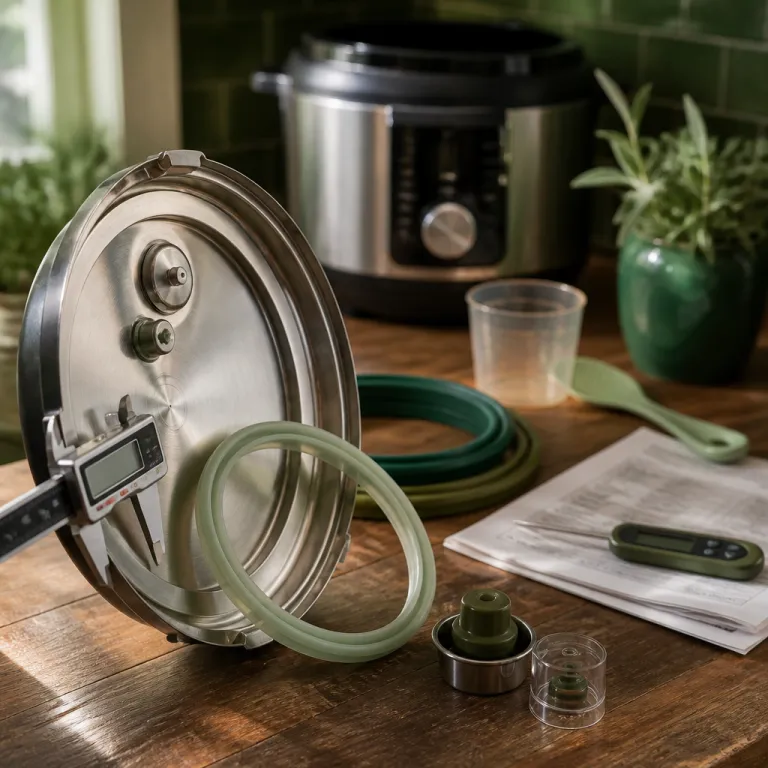
Pressure cooker specs explained in plain language
Most spec sheets look technical, but clear pressure cooker specifications always start with pressure, capacity, and materials. When you compare one electric pressure cooker to another, focus on how those numbers affect cooking time, food texture, and day to day ease in your kitchen. A clear view of these basics makes it far easier to buy pressure models that actually fit your real foods and habits.
Pressure is the headline number, yet many electric pressure cookers quietly standardize around a cooking pressure of about 0.7 to 0.8 bar gauge, which is roughly 10 to 12 PSI or 70 to 80 kilopascals above normal atmospheric pressure. That range appears in typical manufacturer spec sheets for popular multi cookers such as the Instant Pot Duo and Ninja Foodi series, which both list working pressures near 11.6 PSI. That means most pressure cookers reach a similar boiling point for water, so the difference in cooking times between one cooker and another is often just a few minutes rather than a total transformation of how your food will cook. When you see a brand brag about high pressure, remember that a typical pressure cooker already raises the boiling point of water enough to cut cooking time dramatically for beans, stews, and tougher cuts of meat.
Capacity is the next spec that confuses first time buyers, because a 6 litre pot does not mean 6 litres of usable space for pressure cooking. For safety features to work correctly, you usually fill a pressure cooker only to about two thirds when you cook foods that expand or foam, which means a 6 litre pot gives you roughly 4 litres of real cooking volume. Appliance manuals from major brands such as Instant Brands and Tefal repeat this two thirds guideline and recommend only half full for very foamy foods. If you routinely cook large batches of food or meal prep for several days, that difference between stated size and usable capacity matters more than any fancy marketing about multi cookers or extra modes.
Understanding cooking pressure, bar PSI, and real cooking times
Good pressure cooker specification sheets always unpack the relationship between bar, PSI ratings, cooking pressure, and cooking time rather than just throwing numbers at you. A typical electric pressure cooker operates at a working pressure level around 0.7 to 0.8 bar gauge above atmospheric pressure, which translates to roughly 10 to 12 PSI and a water boiling point near 115 to 118 degrees Celsius. That higher boiling point lets you cook foods faster, but the jump from one cooker to another within this narrow band rarely changes your dinner by more than five or ten minutes.
Some marketing suggests that a higher cooker pressure will magically transform food quality, yet in controlled kitchen tests by appliance magazines and consumer labs, texture differences between 10 and 12 PSI are subtle compared with recipe technique and resting time. What really matters is how consistently the cooker holds that cooking pressure, how quickly it comes up to heat, and how predictably it manages pressure release at the end of the cycle. If you see a prestige pressure model that shouts about a slightly higher bar or PSI but skimps on safety features or build quality, you are paying for a number that does not help your kitchen much.
Smart models add another layer of confusion by promising that more sensors mean better food, so it helps to read a reality check on whether smart pressure cookers actually make better food before you decide. When you look past the apps and Wi Fi, the core questions stay simple, because you still want stable heat, reliable steam control, and accurate cooking times for your favourite foods. A solid electric pressure cooker should feel like a trustworthy pot that happens to manage pressure and time for you, not a gadget that needs constant babysitting.
Inner pot materials, heat performance, and real world durability
Once you have the basic pressure cooker specifications clear, the next big decision is the inner pot material, because that choice shapes how you cook and clean every week. Most electric pressure cookers use either stainless steel inner pots or non stick coated pots, and each approach has clear trade offs for heat distribution, searing performance, and long term durability. The right pot for your kitchen depends less on abstract marketing claims and more on which foods you actually cook and how much you care about babying your cookware.
A stainless steel inner pot handles high heat sautéing better, resists scratches from metal utensils, and tolerates repeated deglazing with water or stock when you brown meat before pressure cooking. That makes stainless steel pressure cookers especially appealing if you love building flavour through browning, because you can cook onions, sear beef, and then lock on the lid without switching pans. The downside is that stainless steel can stick if you rush preheating or skimp on oil, so there is a small learning curve for new cooks who are used to very forgiving non stick surfaces.
Non stick inner pots, including ceramic coated options, make cleanup easier and reduce the chance of food sticking during longer cooking times, which some first time users find reassuring. If you lean toward non stick, it is worth reading detailed tests of multi cookers with non stick inner pots to see how coatings hold up under real pressure cooking and steaming. Over time, any non stick surface will degrade under repeated heat and steam, so factor replacement cost into your cooker buy decision rather than assuming the original pot will last as long as the electronics.
Lids, steam release, and safety features that actually matter
Many first time buyers worry most about safety, so clear pressure cooker specifications should demystify how the lid, steam valves, and safety features work together. A modern electric pressure cooker uses multiple layers of protection, including a locking lid mechanism, a primary pressure release valve, and backup vents that open if cooking pressure climbs too high. When you understand these systems, the cooker feels less like a ticking bomb and more like a well engineered kitchen appliance that quietly manages heat and steam for you.
The lid design shapes both convenience and safety, because a good lid pressure system locks automatically when the cooker reaches high pressure and will not open until internal pressure drops to a safe level. Look for clear visual cues on the lid, such as a rising float valve that shows when the pot is pressurized, and a dedicated pressure release control that lets you choose between quick release and natural release. Models that bury the pressure release in a tiny toggle or confusing icon make it harder to judge when steam is still venting, which can lead to messy spurts of starchy water when you cook beans or pasta.
Safety certifications add another quiet but important layer of trust, so check the base of the cooker or the manual for UL, ETL, or CSA marks that confirm independent lab testing. These marks reference standards such as UL 136 for pressure cookers and CSA C22.2 for household appliances, which cover electrical safety, overpressure protection, and insulation. A prestige pressure cooker that skips these certifications in favour of flashy marketing is not offering the best pressure value, no matter how sleek the lid looks on your counter. In daily use, the safest cookers are the ones whose lid, valves, and indicators make it obvious when pressure is building, when steam is releasing, and when your food is ready to serve.
Capacity, wattage, and the myth of more functions
Spec sheets love big numbers, yet honest pressure cooker specifications show that capacity, wattage, and function counts are often misunderstood. A 6 litre electric pressure cooker sounds generous, but because you rarely fill a pressure cooker above two thirds for most foods, you are really working with about 4 litres of usable cooking space. That is enough for a family of four, yet if you batch cook beans, stocks, or freezer meals, an 8 litre pot gives you more breathing room without pushing cooking pressure limits.
Wattage is another spec that looks decisive on paper, but a 1000 watt cooker can perform just as well as a 1200 watt model if its heating element and thermal management are well designed. In side by side timing tests published by consumer magazines, some 1000 watt cookers reach high pressure almost as quickly as higher wattage rivals, because they manage heat loss efficiently and keep steam inside the pot instead of venting aggressively. When you compare cookers, pay more attention to how long they actually take to reach pressure and complete common recipes than to the raw wattage printed on the box.
The number of cooking functions can be the most misleading spec of all, because a 9 in 1 cooker and a 7 in 1 cooker often share the same core capabilities. Most extra modes are just preset cooking times and temperatures for specific foods, while the real workhorses remain pressure cooking, slow cooking, sautéing, and steaming. When you plan a cooker buy, choose the model whose core modes you will use weekly rather than chasing the best pressure cooker with the longest list of buttons you will rarely touch.
How to match specs to the way you actually cook
Once you have the main pressure cooker specifications in mind, the final step is translating them into your own kitchen reality instead of an idealized marketing scenario. Start by listing the foods you cook most often, whether that is dried beans, brown rice, chicken thighs, or hearty stews, and then match capacity, inner pot material, and pressure settings to those habits. A small household that mostly cooks soups and grains may be happiest with a 5 to 6 litre stainless steel pressure cooker, while a larger family that batch cooks might genuinely need an 8 litre pot.
Think about your tolerance for noise and steam as well, because some electric pressure cookers vent more aggressively during pressure release, which can fog cabinets and startle pets. If you live in a small apartment kitchen, a model with a gentler pressure release and a well designed lid pressure system will feel calmer and more controllable during busy weeknights. On the other hand, if you often cook high starch foods like pasta or oatmeal, you will want a cooker with clear guidance on when to use natural release versus quick release to avoid foamy spurts of water and starch.
Budget also plays a role, but not always in the way marketing suggests, because a mid range cooker with solid safety features, a durable stainless steel inner pot, and honest cooking times can outperform a prestige pressure cooker that leans on branding. When you evaluate steel pressure construction, look for a thick, well fitted inner pot and a sturdy outer housing rather than just a shiny finish. In the end, the best pressure cooker is the one whose specs quietly support your Tuesday night dinner routine, not the one that shouts the loudest about features you will never use.
Key figures that put pressure cooker specs in perspective
- Most modern electric pressure cookers operate at about 10 to 12 PSI above atmospheric pressure, which raises the boiling point of water from 100 degrees Celsius to roughly 115 to 118 degrees Celsius and cuts typical cooking times for beans and stews by around 50 percent compared with stovetop simmering, according to manufacturer technical sheets for models such as the Instant Pot Duo and Ninja Foodi and data summarized in pressure cooking handbooks.
- A standard 6 litre pressure cooker usually offers only about 4 litres of safe usable capacity for pressure cooking, because safety guidelines recommend filling no more than two thirds full for most foods and only half full for foaming ingredients such as lentils or pasta, as outlined in many appliance manuals and safety leaflets from brands like Tefal, Philips, and Instant Brands.
- Independent lab style testing of electric pressure cookers has found that preheat and pressure build time can account for 30 to 40 percent of total cooking time for dense foods, which means real world performance often depends more on heat management and lid design than on small differences in rated PSI or wattage. Comparative reviews that time recipes such as dried beans or beef stew regularly report similar total cook times for models with slightly different pressure ratings.
- Consumer surveys from major appliance retailers and multi cooker brands consistently show that pressure cooking, slow cooking, sautéing, and steaming account for more than 80 percent of how people use multi cookers, while specialty modes such as yogurt or cake functions are used only occasionally after the first few months of ownership. Retailer usage polls and brand owned feedback panels both report this pattern.
- Safety certification marks such as UL, ETL, or CSA appear on the majority of mid range and premium electric pressure cookers sold by major brands, while some low cost imports lack these marks, highlighting the importance of checking for independent safety verification before purchase. Product labels and user manuals list these marks alongside model numbers and applicable standards.
FAQ about decoding pressure cooker specs
Does higher PSI always mean faster cooking in a pressure cooker ?
Higher PSI does shorten cooking time, but only up to a point, because most electric pressure cookers cluster around 10 to 12 PSI and the difference between them usually changes cooking times by just a few minutes. Texture and flavour depend more on recipe technique, natural release versus quick release, and how long you let foods rest after cooking. For most home cooks, consistent pressure and accurate timers matter more than chasing the highest possible PSI rating.
What size electric pressure cooker should a first time buyer choose ?
A 6 litre electric pressure cooker suits most households of two to four people, offering enough usable capacity for soups, stews, and batch cooking without taking over the kitchen counter. Remember that you can only fill the pot about two thirds full for pressure cooking, so a 6 litre model behaves more like a 4 litre pot in daily use. If you regularly cook for larger groups or freeze multiple meals at once, an 8 litre cooker gives you more flexibility.
Is a stainless steel inner pot better than a non stick pot ?
Neither stainless steel nor non stick is universally better, because each material suits different cooking styles and priorities. Stainless steel inner pots handle high heat searing, deglazing, and long term wear better, while non stick pots make cleanup easier and reduce sticking during longer cooking times. Choose stainless steel if you love browning and building sauces, and choose non stick if you value effortless cleanup and mostly cook wetter dishes like soups and curries.
Which safety features are essential on an electric pressure cooker ?
At minimum, look for a locking lid that cannot open under pressure, a primary pressure release valve, backup vents, and clear visual indicators that show when the cooker is pressurized. Independent safety certifications such as UL, ETL, or CSA add another layer of assurance that the cooker has passed standardized tests. A well designed control panel that makes pressure release options obvious is also crucial for safe, low stress daily use.
Do I need all the extra cooking functions advertised on multi cookers ?
Most home cooks rely on four core modes, which are pressure cooking, slow cooking, sautéing, and steaming, while extra functions are often just presets that adjust time and temperature. If you already own a good slow cooker or rice cooker, you may not need every additional mode a multi cooker offers. Focus on build quality, safety features, and the functions you will use weekly rather than paying more for a longer list of rarely used presets.