Why this pressure cooker sealing ring replacement guide matters for weeknight sanity
Your electric pressure cooker lives or dies by a five euro part. When the sealing ring under the lid stops doing its job, your pressure cooker quietly turns into an expensive but very slow pot and your cooking times stretch without warning. That is why a clear pressure cooker sealing ring replacement guide is more valuable than another glossy recipe booklet.
In testing across several pressure cookers, from a 5.7 litre Instant Pot Duo to an 8 quart pressure canner style electric model, worn rings were the number one cause of “my cooker will not pressurise” complaints. The cooker still heats, the regulator weight still rattles, and the pressure indicator icon may even light up, yet steam leaks around the lid and the pot never reaches full pressure. You end up adding time, blaming recipes, and overlooking the real culprit, a stretched or cracked gasket that costs less than a takeaway pizza.
Think of the sealing ring as the tyre on a bicycle rather than a decorative accessory. The cooker parts that fail most often are soft components like gaskets and sealing rings, not the stainless steel pot or the heavy outer canner style housing. A simple replacement set of two or three rings, correctly sized to your model number and quart capacity, restores full pressure, shortens cooking times, and makes your electric pressure cooker feel new again.
How to spot a failing ring before it ruins dinner
The first warning sign is usually time, not noise or drama. When a pressure cooker that used to reach full pressure in eight minutes suddenly needs fifteen, your sealing ring is probably slipping and the cooker sealing system is no longer tight. That slow build is the classic early failure pattern across many models and quart sizes.
Look closely at the ring every few weeks under bright light. A healthy gasket made from durable silicone feels springy, sits evenly in the lid groove, and shows no shiny flat spots or hairline cracks along the inner edge. Once the sealing surface looks polished, warped, or permanently stretched, the ring can no longer hold pressure, and no amount of extra regulator weight or fiddling with the pressure release valve will compensate.
Steam escaping around the lid is the late stage symptom. If you see wisps of steam near the cooker handle, or hear a faint hiss that does not stop after the preheating phase, the sealing ring is no longer sealing properly and the cooker parts are working harder than they should. At that point, replacement parts are not optional, because the safety systems in modern electric cookers rely on a sound gasket to keep the internal pressure stable and predictable.
For a deeper breakdown of how each part interacts, including other critical cooker components beyond the ring, it is worth reading a detailed guide on understanding electric pressure cooker replacement parts. That kind of overview helps you separate genuine safety issues from simple maintenance tasks like swapping a tired sealing ring.
The odor problem and why the color trick protects your desserts
Silicone is brilliant at sealing pressure, but it is also a sponge for aroma. After a few rounds of curry, chili, or bone broth, the sealing ring in your pressure cooker will smell like last week’s dinner even after washing. That smell migrates straight into neutral dishes, so your cheesecake ends up with a faint garlic note that no one asked for.
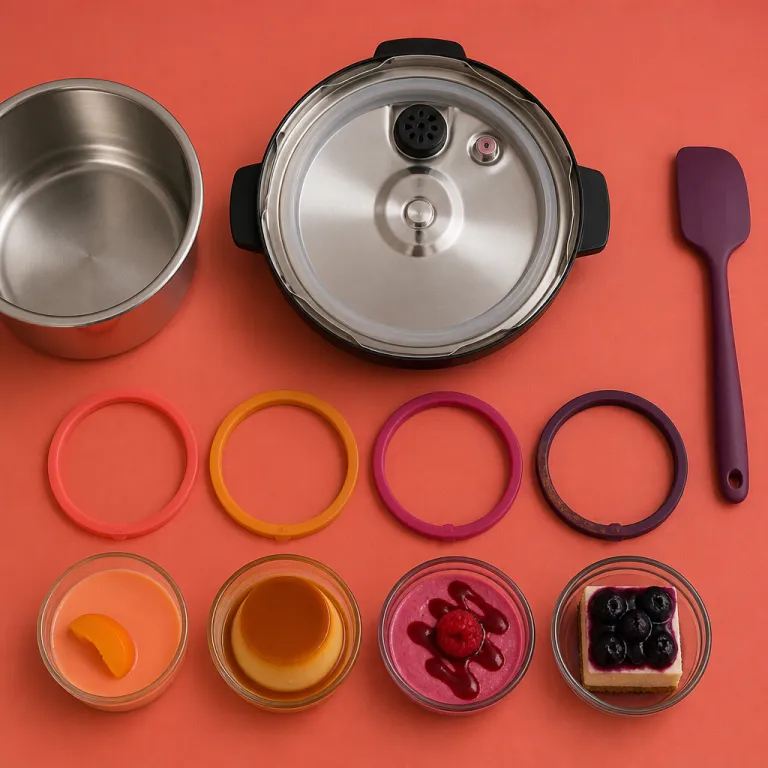
This is where the color coding trick earns its place in any serious pressure cooker sealing ring replacement guide. Many manufacturers and aftermarket brands now sell a set of two or three sealing rings in different colors, often a red ring for savoury cooking, a blue or green ring for spicy dishes, and a clear or white ring reserved for desserts and neutral recipes. By assigning each color to a food type, you keep strong flavors in their lane and protect delicate dishes from cross contamination.
In practice, the system is simple enough for a busy household to maintain. Store the savoury ring already mounted in the lid, keep the dessert ring in a labelled bag with the model number and quart size written on it, and rotate a third ring as a spare for when one stretches. When you buy a new multipack of rings, choose durable silicone that is rated as food grade, and check that the stated quart capacity and cooker sealing diameter match your exact pressure cooker model.
If you are unsure which accessories are genuinely useful, a curated list of pressure cooker accessories worth buying can help you prioritise sealing rings and other essential parts over gimmicks. A small investment in the right set of rings saves more desserts than any extra gadget you can clip to the lid.
Choosing the right gasket: sizing, materials, and model numbers
Not every ring that looks similar will actually fit your cooker. Electric pressure cookers use specific diameters and cross section thicknesses, so a ring designed for a 6 quart pressure cooker may not seal correctly in an 8 quart pressure canner style model even if the lid appears close in size. The safest route is to start with the exact model number printed on the base or on the rating plate of your cooker.
Once you have that model number, you can search for compatible replacement parts by brand and capacity. For example, an Instant Pot Duo 7 in 1 5.7 litre cooker uses a different sealing ring from an Instant Pot Ultra 8 quart, and the cooker parts are not interchangeable even though both are Instant Pot appliances. Many brands sell official sets that bundle two or three sealing rings at a modest price, often with free shipping when you add another small accessory like a spare regulator weight or steam rack.
Material quality matters more than most marketing claims. Look for food grade, durable silicone gaskets that are rated for high temperature and repeated pressure cycles, and avoid very cheap unbranded rings where the price seems too good to be true. A well made ring should flex easily without feeling sticky, sit snugly in the lid groove without gaps, and maintain its round profile after you remove it from the pot for cleaning and storage.
Universal rings that claim to fit multiple models and quart sizes can work, but you need to check the actual measurements. Measure the inner diameter of your lid, compare it to the stated size of the sealing ring, and read the frequently asked compatibility notes on the product page rather than relying only on the headline. When in doubt, choose a ring that is explicitly listed as a replacement for your cooker brand and model family, rather than gambling on a one size fits all promise.
How to replace, clean, and store sealing rings for longer life
Swapping a ring is a two minute job that solves hours of frustration. Start by unplugging the cooker, removing the lid, and lifting out the old sealing ring from its groove with your fingers, working evenly around the circumference. Then press the new gasket into place, making sure the ring sits flat and the entire cooker sealing channel is filled without twists.
Cleaning habits have a huge impact on how long your sealing rings last. After each cooking session, remove the ring from the lid, wash it in warm soapy water, rinse thoroughly, and let it air dry completely before you reinstall it or store it separately from the pot. Dishwashers are technically allowed for many durable silicone rings, but repeated high heat cycles and harsh detergents can shorten the life of the gasket and accelerate odor absorption.
Storage is where many home cooks accidentally damage their cooker parts. Leaving the ring clamped inside the lid between uses keeps it under constant tension, which stretches the material and leads to a loose fit around the lid over time. Instead, store the lid and pot separately, keep the sealing ring in a breathable bag or on a clean hook, and rotate through a set of two or three rings so no single gasket carries all the pressure cooking duty.
For a broader look at which accessories genuinely earn their space, including racks, extra pots, and spare cooker parts, an overview of the only pressure cooker accessories worth buying is a useful companion to any pressure cooker sealing ring replacement guide. The pattern is clear across brands and models, from compact 3 quart units to large pressure canner style cookers, the humble sealing ring and its related components deliver more reliability per euro than almost any other accessory.
Cost, value, and where to buy the right replacement parts
Replacing a sealing ring is one of the cheapest ways to restore performance. Typical price ranges run from about ten to twenty euros for a multipack of two or three rings, depending on brand, quart capacity, and whether you choose official or third party cooker parts. Compared with the cost of wasted ingredients and extended cooking times, that price is a straightforward trade.
Official brand stores and reputable kitchen retailers remain the safest sources for replacement parts. When you buy directly from the manufacturer, you get rings that are guaranteed to fit your exact pressure cooker model number, and you can often bundle other replacement parts like a spare pressure regulator, regulator weight, or inner pot at a discount with free shipping thresholds. Third party sellers can be excellent too, but you need to read the frequently asked compatibility sections carefully and check that both the cooker and the rings are described in matching quart sizes.
Think of this as preventive maintenance rather than an emergency repair. If you cook several times a week, plan to replace the main sealing ring every twelve to eighteen months, and keep at least one spare ring in your drawer so a stretched gasket never derails dinner. The false economy is waiting until the ring fails mid recipe, because a ruined batch of beans or a sunken cheesecake costs more in ingredients and time than a fresh set of sealing rings ever will.
Key figures about sealing ring performance and replacement
- Sealing rings are the most frequently replaced pressure cooker parts, accounting for the majority of replacement parts sales according to major electric cooker brands, which reflects how heavily this single gasket influences performance.
- Most manufacturers, including Instant Brands and Ninja, recommend replacing the main sealing ring every 12 to 18 months of regular use, a schedule based on internal testing of durable silicone fatigue under repeated pressure cycles and heat exposure.
- A degraded ring can extend time to full pressure by more than 50 percent in manufacturer lab simulations, meaning a recipe that once reached pressure in eight minutes may suddenly need twelve to fifteen minutes before the pressure stabilises.
- Multi color sets of sealing rings, often sold as a multipack of two or three, have grown in popularity because they allow home cooks to separate savoury and sweet cooking, reducing odor transfer complaints in customer surveys.
- Extra rings and related cooker parts such as regulator weights and pressure regulators typically cost less than five percent of the original cooker price, yet they can restore near new performance to pressure cookers that feel sluggish.
Frequently asked questions about silicone sealing rings
How often should I replace the sealing ring in my electric pressure cooker?
For most electric pressure cookers, a sealing ring should be replaced every 12 to 18 months with regular use. If you cook daily, or you run many high pressure beans and stock batches, aim for the shorter end of that range. Replace sooner if you notice slow pressurising, visible cracks, or strong odors that do not wash out.
Can I use the same ring for both savoury dishes and desserts?
You can, but you will probably taste the difference. Silicone absorbs strong aromas from savoury cooking, and those flavors migrate into neutral dishes like rice pudding or cheesecake even after washing. Using a color coded set of sealing rings, with one ring reserved for desserts, is the most reliable way to protect sweet recipes.
How do I know which size sealing ring will fit my cooker?
The easiest method is to check the model number and quart capacity printed on the base or manual of your cooker. Use that information to search for compatible replacement parts from the manufacturer or a reputable third party that lists exact models and quart sizes. If you are unsure, measure the inner diameter of the lid and compare it with the stated ring size before buying.
Is it safe to buy third party sealing rings instead of official ones?
Third party rings made from certified food grade, durable silicone can be safe and effective if they match your cooker’s dimensions. Always verify compatibility by model number, read frequently asked questions and reviews for fit issues, and avoid products with vague sizing or no material information. When in doubt, an official ring from the cooker brand removes any guesswork about fit and performance.
Can I put my sealing ring in the dishwasher?
Many manufacturers state that their silicone sealing rings are dishwasher safe, usually on the top rack. Hand washing in warm soapy water is gentler on the gasket and may reduce odor buildup over time, so it is the better option if you want to maximise ring lifespan. Whichever method you choose, always let the ring dry completely before reinstalling it in the lid or storing it.