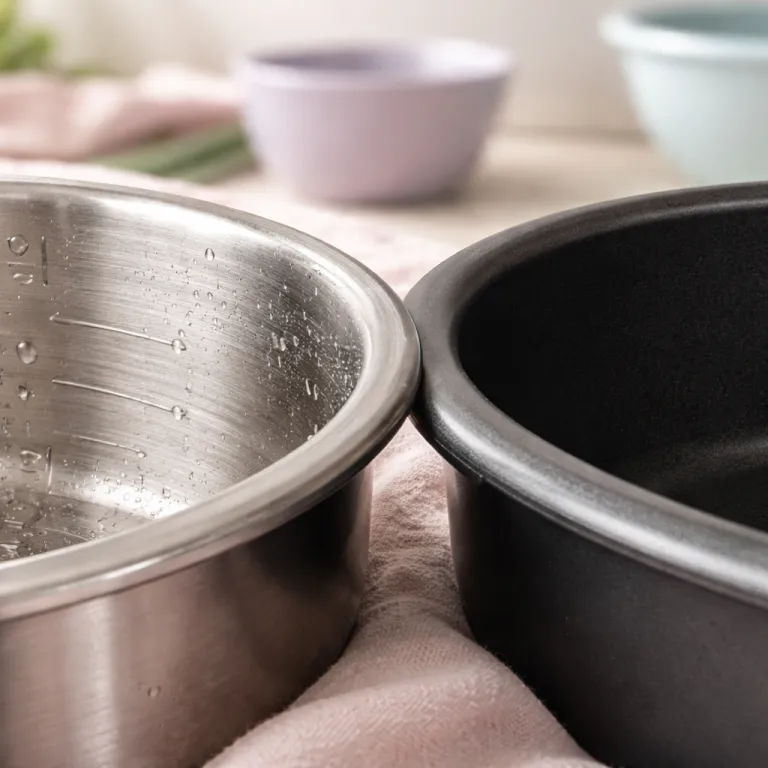
Pressure Cooker Stainless Steel vs Nonstick Inner Pot: How Your Choice Changes Every Meal
How your inner pot choice shapes every pressure cooked meal
The debate around a pressure cooker stainless steel vs nonstick inner pot sounds technical, yet it decides how your food tastes and how your kitchen feels. When you choose between stainless steel and nonstick cookware inside modern electric pressure cookers, you are really choosing how you want to brown, simmer, and clean for the next decade. That single pot affects cooking performance, food sticking, long term durability, and even whether you trust your cooker enough to use it several times a week.
Inside that sealed steel pressure chamber, high pressure and high heat concentrate energy on the base of the pot, so the material of the pan and its coating determine how quickly food heats, how evenly it cooks, and how easily it releases. A stainless steel inner pot behaves more like classic steel pans or even cast iron and iron cookware, while a nonstick inner pot behaves more like modern nonstick pans with a slick nonstick coating that resists food sticking but ages faster. Independent lab tests from groups such as Consumer Reports and America’s Test Kitchen have repeatedly found that bare stainless steel tolerates higher burner settings and more abuse than most coated cookware, often surviving 500–1,000 high heat cycles with only cosmetic wear, which matters when that heat is trapped under pressure.
Most premium electric pressure cookers, such as the Instant Pot Pro and Zavor LUX, ship with stainless steel cookware style inner pots. Budget cookers often include nonstick cookware instead, trading long term resilience for short term easy clean convenience at a lower regular price. Before you buy, you need to decide whether you want a pot that shrugs off high heat and rough use for years, or a pan that feels effortless now but may need replacing after roughly two to five years of steady pressure cooking.
Why stainless steel inner pots win for searing, deglazing, and longevity
When you compare a pressure cooker stainless steel vs nonstick inner pot side by side, stainless steel wins every searing test that matters to home cooks. The bare steel surface tolerates sustained high heat, so you can brown beef cubes for stew, sear chicken thighs, or toast spices without worrying about damaging a delicate coating. That ability to push heat higher without fear is what creates a deep Maillard crust that nonstick pans rarely match.
In practice, a stainless steel inner pot behaves like good tri ply or triply steel cookware, with an aluminium pressure bonded core sandwiched between layers of stainless steel. This triply pressure style construction spreads heat more evenly than thin steel pans, so you get fewer hot spots and more predictable cooking. When you deglaze with wine or stock, the browned bits lift cleanly, turning stuck residue into sauce instead of burned patches welded to the pan.
Durability is where stainless steel inner pots quietly justify their higher regular price over time. Consumer testing has shown that nonstick coating surfaces often degrade after 200–500 high pressure cycles, while a stainless steel pot usually lasts as long as the cooker itself. For example, Instant Brands notes in its care guides that stainless steel inner pots are designed to last the lifetime of the appliance, while nonstick inserts are treated as consumable accessories with a shorter expected service life. If you care about long term value and want to pair your electric pressure cooker with high quality stainless steel cookware, it is worth reading about the benefits of using 180 stainless steel cookware before you commit.
Where nonstick inner pots genuinely make life easier
Nonstick inner pots exist for a reason, and for some cooks they are the best choice in the pressure cooker stainless steel vs nonstick inner pot debate. A good nonstick coating dramatically reduces food sticking, so oatmeal, rice, and cheesy casseroles slide out with minimal effort. If you have arthritis, limited grip strength, or simply hate scrubbing, that easy clean experience can turn pressure cooking from a chore into a habit.
Inside an electric pressure cooker, nonstick cookware faces a tough environment of steam, pressure, and repeated high heat cycles. Manufacturers design modern nonstick pans and stick cookware to handle this, but every nonstick coating has a finite lifespan before it starts to lose its slickness. Many brands, including Instant Pot and COSORI, state in their manuals that nonstick inner pots should be inspected regularly and replaced when scratched or worn, because once the surface wears you will notice more food sticking, more staining, and eventually small scratches that signal it is time to replace the pot.
For delicate food, such as eggs, custards, and sticky rice, a nonstick inner pan can feel almost magical compared with bare steel cookware or cast iron. You can use less oil, stir less often, and still get intact results that release cleanly from the pot. If you lean heavily on low oil cooking and want the easiest possible cleanup, pairing your cooker with nonstick cookware or even hard anodised aluminium pressure pots, as discussed in guides on the benefits of using hard anodised pots with electric pressure cookers, can be a smart compromise.
Real world tests: browning, cleaning, and replacement cycles
To move beyond theory, imagine two identical pressure cookers running through the same weeknight menu with different inner pots. In the stainless steel cooker, you sear beef at high heat until a deep brown crust forms, then deglaze and pressure cook under full pressure for a rich stew. In the nonstick cooker, you use slightly lower heat to protect the coating, accept a paler sear, but enjoy a pot that almost wipes clean after the food is served.
During cleaning, both inner pots are technically dishwasher safe, yet the story diverges over time. Stainless steel shrugs off the occasional dishwasher cycle and rough sponge, while nonstick coating surfaces are more vulnerable to rack contact and abrasive pads that slowly erode their easy clean promise. After a couple of years of frequent cooking, the stainless steel pot usually looks seasoned but sound, whereas the nonstick pan may show dull patches and more food sticking in the centre.
| Inner pot type | Best for | Key advantages | Main trade offs |
|---|---|---|---|
| Stainless steel (including tri ply) | Frequent searing, deglazing, and sauce making | Handles higher heat, resists scratches, often lasts as long as the cooker | More prone to food sticking until you master preheating and deglazing |
| Nonstick coated | Low effort cleanup and sticky foods like rice or cheese | Excellent food release, needs less oil, very quick to wash | Coating wears over 200–500 cycles and must be replaced periodically |
| Ceramic coated | Middle ground between bare steel and classic nonstick | Good release with a more inert surface, easier to clean than plain steel | Still not as durable as stainless and can chip if mishandled |
This is where the replacement cycle matters in the pressure cooker stainless steel vs nonstick inner pot decision. Brands such as Instant Pot and COSORI sell replacement pots, so you can swap a worn nonstick pan for a new one at a modest regular price instead of replacing the whole cooker. If you cook daily and rely on nonstick cookware convenience, budget for a new inner pot every few years, while a well cared for stainless steel or tri ply triply pressure style pot can realistically last for the lifetime of the cooker.
Matching the inner pot to how you actually cook
The right answer in the pressure cooker stainless steel vs nonstick inner pot debate depends less on specs and more on your habits. If you love building flavour through aggressive browning, deglazing, and reducing sauces, a stainless steel inner pot behaves like serious steel cookware or even light cast iron without the weight. You can push high heat, scrape the base with a metal spatula, and not worry about babying a fragile coating.
On the other hand, if your pressure cookers mostly handle soups, beans, and one pot pasta, a nonstick inner pan may feel like the best fit. You will use less oil, see almost no food sticking, and spend less time at the sink, which matters on busy weeknights. People who are new to cooking or nervous about burning food often find that nonstick pans inside a cooker give them confidence to experiment more.
Think about your broader kitchen setup as well, including any iron cookware, steel pans, or aluminium pressure pots you already own. If your stovetop cookware already covers searing and browning, you might prioritise easy clean performance in the pressure cooker and choose nonstick cookware. If the electric cooker is your main workhorse for both searing and pressure cooking, a robust stainless steel or tri ply triply pressure inner pot will give you more headroom and fewer regrets.
The third option and how to future proof your choice
There is a quieter third player in the pressure cooker stainless steel vs nonstick inner pot conversation, and that is ceramic coated inner pots. These aim to combine some of the easy clean benefits of nonstick coating with a more inert surface that behaves closer to stainless steel under pressure. In practice, they sit between steel and classic nonstick cookware for both food release and long term resilience.
If you are buying your first cooker, focus less on marketing claims and more on how the pot will feel in daily cooking. Stainless steel inner pots reward active cooks who like to stir, scrape, and deglaze, while nonstick pans reward those who value low effort cleanup and minimal food sticking above all else. Ceramic coated pots, where available, offer a compromise but still will not match the lifetime durability of bare stainless steel cookware or cast iron.
Whatever you choose, treat the inner pot as core cookware, not a disposable accessory, because it shapes every pressure meal you make. Learn how to manage heat, how to avoid stick pressure hotspots, and how to adapt recipes from a good pressure cooker cookbook so they suit your specific pot. In the end, the best cooker setup is not about feature lists or regular price, but about which pot makes it easiest to get real food on the table, on time, several nights a week.
FAQ
Is stainless steel or nonstick safer for an electric pressure cooker?
Both stainless steel and nonstick inner pots are safe when used as the manufacturer intends, but stainless steel tolerates higher heat and rougher handling, while nonstick needs gentler utensils and careful preheating.
Why does my stainless steel inner pot make food stick so much?
Food usually sticks because the pot is not fully preheated, there is too little oil, or ingredients are moved before a crust forms and naturally releases.
How often should I replace a nonstick inner pot?
Most nonstick inner pots need replacing after 200–500 pressure cycles, or sooner if you see scratches, dull patches, or new sticking where food once slid cleanly.
Can I put my pressure cooker inner pot in the dishwasher?
Manufacturers typically rate both stainless steel and nonstick inner pots as dishwasher safe, but hand washing slows wear, especially on coated surfaces.
What size inner pot is best for a first electric pressure cooker?
For most households, a 5 to 6 litre inner pot offers enough capacity for family meals and batch cooking without taking over your storage space.