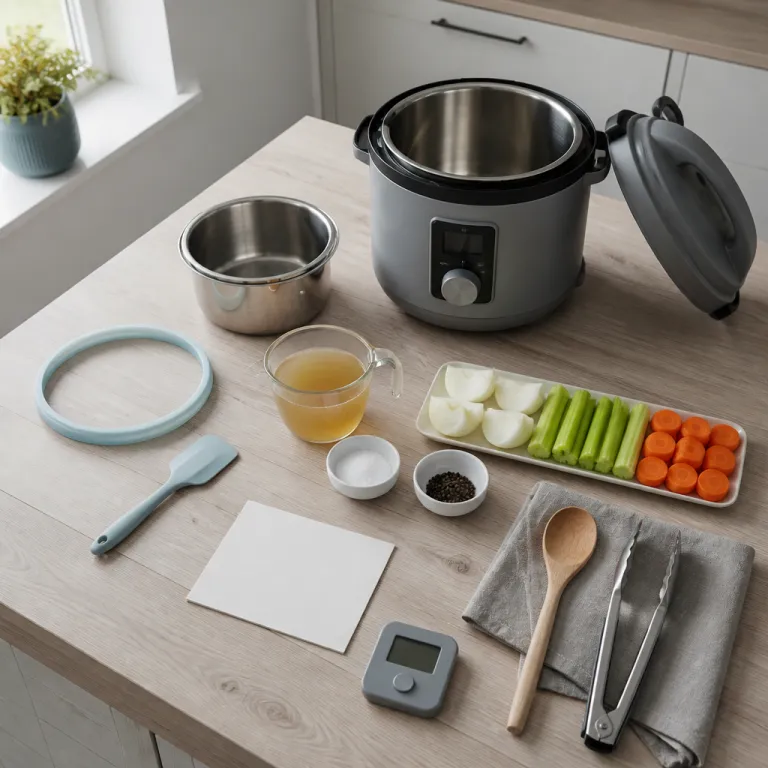
Why your pressure cooker’s “15 minutes” rarely means 15 minutes
Every recipe headline promises speed, yet your dinner still runs late. The pressure cooker actual total cooking time quietly stretches because recipes only list the active high pressure phase, not the full journey from closing the lid to serving the food. If you plan only around that advertised cooking time, you will feel like your electric cooker is failing when it is actually following physics.
Think of pressure cooking as three distinct phases that shape real cooking times. Phase one is the come to pressure stage, when the electric pressure cooker heats water, builds steam, and raises the internal cooking pressure until the cooker pressure reaches its target. Depending on the volume of water, the starting temperature of your foods, and the power of the electric heat source, this ramp can take 5 to 20 minutes before the timer for high pressure even starts.
Phase two is the labeled cook time, the part recipes highlight in bold. During this window the pressure cooker operates at high pressure, usually around 70 to 100 kilopascals above atmospheric pressure, which raises the boiling point of water and speeds up cooking. This is when tough cuts finally tenderize, dried beans soften, and dense vegetables cook through, but it is only one slice of the pressure cooker actual total cooking time that matters to a busy home cook.
Phase three is depressurization, and this is where most people lose track of minutes. You either use a quick release method, where you manually release pressure through the valve and vent steam in 2 to 5 minutes, or you wait for a natural release, which can take 10 to 25 minutes as the pot cools. Both release methods change not only the total time but also the texture of foods, because a long natural release continues gentle cooking under gradually falling stovetop pressure or electric pressure.
Put those phases together and the math becomes sobering. A “15 minute” chicken breast at high pressure in an Instant Pot or other electric pressure cookers can easily require 10 minutes to reach cooking pressure and another 10 to 15 minutes for a partial natural release, turning 15 minutes into 35 or more. The same pattern holds for vegetables, grains, and soups, which is why understanding the pressure cooker actual total cooking time is more honest than chasing the shortest possible cooking times.
The type of cooker you use also shifts the timeline. A modern electric pressure cooker with a stainless steel inner pot heats differently from an older aluminum stove top pressure model, and that affects how quickly steam builds and how fast you can release pressure safely. Electric cookers automate safety features and pressure release controls, but they also ramp heat more gently than a gas burner under a stovetop pressure cooker, so their come to pressure phase often runs longer.
Capacity matters as much as technology when you plan dinner time. A 6 litre electric pressure cooker filled two thirds with water, beans, and meat will take longer to reach high pressure than a 3 litre model half full, even at the same heat setting. Larger pots simply hold more mass, so they need more minutes for the water to reach a higher boiling point and generate enough steam to close the gap between ambient pressure and full cooker pressure.
Ingredient temperature is the other hidden lever behind your schedule. If you load the pot with fridge cold stock, frozen meat, and dense root vegetables, the electric heat must first thaw and warm everything before pressure cooking can begin. Start with room temperature water and partially thawed foods instead, and you shave several minutes off the pressure cooker actual total cooking time without touching the programmed cooking time at all.
How cold ingredients, liquid volume, and release methods reshape your dinner clock
The biggest lie in weeknight pressure cooking is not the appliance, it is the missing minutes around it. When you pour cold water over frozen chicken in an electric pressure cooker, you are asking the machine to do double duty as both a thawing device and a high pressure cooker. That extra workload stretches the come to pressure phase and quietly adds 10 or more minutes to the pressure cooker actual total cooking time before the countdown even appears.
Liquid volume is the second silent culprit. More water in the pot means more mass to heat, more steam to generate, and a longer climb to the higher boiling point required for pressure cooking, whether you use an Instant Pot or another brand of electric pressure model. If you routinely add extra water “just in case”, you will wait longer for high pressure and then longer again for the natural release phase, because a fuller pot cools more slowly.
Recipe writers rarely explain that the same chicken thigh cooked in two different cookers can follow very different timelines. A compact 3 litre stainless steel electric pressure cooker with a smaller surface area will reach cooking pressure faster than an 8 litre pot filled with the same foods, simply because there is less water and metal to heat. Yet both recipes might list the same cooking time in minutes, leaving you confused when your larger cooker takes 15 extra minutes to release pressure and finish.
Release methods are your main tool for taking back control. A quick release vents steam rapidly through the valve, dropping cooker pressure in a few minutes and limiting carryover cooking, which is ideal for delicate vegetables and some seafood. A natural release lets pressure fall slowly as the pot cools, which extends the pressure cooker actual total cooking time but rewards you with tender meat, intact beans, and fewer starchy splatters through the pressure release valve.
Think of quick release and natural release as different gears rather than afterthoughts. If you want broccoli that stays bright and crisp tender, you cook it for zero to one minute at high pressure and then use a fast release pressure method to stop the cooking quickly. For a chuck roast or pork shoulder, you accept a longer natural release because those extra minutes under falling cooking pressure help break down collagen without drying the meat, even though your total cooking times stretch well beyond the headline number.
Cold starting temperatures magnify these differences. A pot loaded with fridge cold beans, cold water, and a heavy stainless steel insert will take longer to reach high pressure and longer to cool, so both the come to pressure and release phases expand. If you instead rinse beans in warm water, use hot tap water in the cooker, and avoid overfilling, you compress the pressure cooker actual total cooking time without changing the programmed minutes at all.
Planning around these physics makes you a calmer cook. When you know that a “20 minute” lentil soup in an Instant Pot really means 10 minutes to reach pressure, 20 minutes at high pressure, and 10 minutes of natural release, you can schedule a 40 minute window and use the hands off time to prep a salad or toast bread. Tools like a smart meat thermometer, such as those discussed in this guide to smarter meat thermometer cooking at home, help you track internal food temperatures so you can confidently adjust cooking times and release methods instead of guessing.
When pressure cooking truly saves time, and when the stovetop wins
Electric pressure cookers earn their counter space when you match the tool to the right foods. Tough cuts of meat, dried beans, whole grains, and rich stocks all benefit from high pressure because the raised boiling point and trapped steam dramatically shorten cooking times compared with a stove top simmer. For these ingredients, the pressure cooker actual total cooking time still beats traditional methods even after you add the come to pressure and natural release phases.
Take a beef chuck roast as a clear example. In a conventional oven or on a stove top, you might braise that roast for 4 to 6 hours to reach fork tender texture, while an electric pressure cooker can achieve similar tenderness in 60 to 90 minutes at high pressure plus 20 minutes of natural release. Even with 15 minutes to reach cooking pressure, your total time lands around 95 to 125 minutes, which is still far shorter than a full afternoon in a Dutch oven or a slow cooker, as any detailed guide to making tender chuck roast in a crock pot will confirm.
Dried beans tell a similar story. Traditional pressure cookers on a gas burner already cut bean cooking time compared with open pot boiling, but modern electric pressure cookers go further by automating cooker pressure and safety features, so you can walk away while they work. A pot of unsoaked black beans might take 25 to 35 minutes at high pressure, plus 10 to 15 minutes to release pressure naturally, which still beats the overnight soak plus 2 hours of simmering required on a stove top.
Stocks and bone broths are where pressure cooking feels almost unfair. A rich chicken stock that might simmer for 4 hours on the stove can be made in an Instant Pot in about 45 minutes at high pressure, plus 20 minutes of natural release and 15 minutes to reach pressure, for a pressure cooker actual total cooking time of around 80 minutes. Beef bone broth that once demanded 12 to 24 hours of gentle stovetop pressure or slow cooker heat can be reduced to 2 to 4 hours under high pressure, with deeper extraction of collagen thanks to the higher boiling point inside the sealed pot.
Quick cooking foods are a different story. Boneless chicken breasts, thin pork chops, and delicate vegetables already cook in 10 to 15 minutes on the stove top, so once you add 10 minutes to reach pressure and 5 to 10 minutes to release pressure, the electric pressure cooker rarely saves time. In these cases the pressure cooker actual total cooking time can exceed that of a simple pan sauté or a steamer basket over boiling water, even though the advertised cooking time at high pressure looks shorter.
That does not mean your pressure cooker is useless for vegetables or lighter proteins. It means you should use it strategically, for example to cook dense root vegetables, whole beets, or corn on the cob where the combination of steam and high pressure truly matters. A well tested method for making tender corn on the cob in a pressure cooker shows how a few minutes at high pressure plus a quick release can beat a large pot of boiling water in both flavor and energy use.
For weeknight planning, the rule is simple. Use pressure cooking for foods that normally demand long, slow heat to break down connective tissue or tough fibers, and keep the stove top for thin cuts and fragile vegetables where the overhead of reaching and releasing pressure outweighs the benefits. The more you think in terms of pressure cooker actual total cooking time instead of just the headline minutes, the more your meals will arrive when you expect them.
Practical timing strategies for meat and vegetables in electric pressure cookers
Busy home cooks do not need another gadget, they need a reliable clock. To make an electric pressure cooker work for your schedule, start by treating every recipe’s stated cooking time as only the middle chapter of the story. Then add realistic estimates for the come to pressure and pressure release phases so your pressure cooker actual total cooking time matches real life, not marketing copy.
A simple rule of thumb works for most meat and vegetable recipes. Take the listed high pressure cooking time, then add 10 to 15 minutes for the cooker to reach pressure and another 10 to 20 minutes for a partial natural release, unless the recipe explicitly calls for a full quick release. For example, if a stew recipe says 30 minutes at high pressure, you should plan 50 to 65 minutes from closing the lid to serving, which includes the hidden minutes where steam builds, cooker pressure stabilizes, and the pot cools enough to open safely.
Different foods deserve different release methods if you want the best texture. Tough meats like beef shank, pork shoulder, and lamb stew benefit from a full natural release, because those extra minutes under gradually falling cooking pressure keep fibers moist and prevent sudden boiling that can dry the surface. Delicate vegetables, on the other hand, usually need a quick release pressure method so they do not overcook in the trapped steam, which is why many vegetable charts list very short cooking times followed by an immediate pressure release.
Water level and pot size are easy levers to adjust. Use only the minimum water required for safe pressure cooking, usually around 250 millilitres for most electric pressure cookers, to shorten the come to pressure phase and reduce the time needed for natural release. Avoid overfilling a large stainless steel pot with both food and water, because that extra mass extends the pressure cooker actual total cooking time even if the programmed minutes at high pressure stay the same.
Safety features are not just marketing bullet points, they shape your timing too. Modern electric pressure cookers monitor cooker pressure, lid position, and internal temperature, and they will delay the start of the countdown until the correct high pressure is reached, which can add several minutes if the lid is not sealed properly or if there is too little water. Respect those systems, because they prevent dangerous situations where steam escapes unchecked and the boiling point never rises enough for true pressure cooking.
For planning weeknight dinners, work backward from when you want to eat. If you need food on the table at 19:00 and your recipe lists 25 minutes of cooking time at high pressure, assume 10 minutes to reach pressure and 15 minutes for a partial natural release, then start the cooker no later than 18:10 to give yourself a buffer. Over time you will build your own mental chart of pressure cooker actual total cooking time for your specific cookers, whether they are compact electric models or classic stove top pressure cookers on gas.
The goal is not to chase the shortest possible minutes, but to build trust in your tools. When you understand how heat, steam, water volume, and release methods interact inside a sealed pot, you stop blaming yourself for “slow” results and start using pressure cooking where it truly shines. In the end, what matters is not the feature list on the box, but whether your pressure cooker quietly delivers dinner at the exact moment your family sits down.
Key figures behind pressure cooker timing and performance
- Most electric pressure cookers operate at around 70 to 100 kilopascals above atmospheric pressure, which raises the boiling point of water from about 100 °C to roughly 115 to 120 °C and significantly shortens cooking times for tough foods compared with open pot boiling (data from appliance manufacturer specifications and food science research).
- Independent lab tests on popular 6 litre electric pressure cookers show average come to pressure times of 8 to 15 minutes when filled to half capacity with room temperature water, with larger 8 litre models often taking 3 to 5 minutes longer under the same conditions (comparative testing reported by consumer product review organizations).
- Studies comparing dried bean preparation methods report that pressure cooking can reduce active cooking time by up to 70 percent versus traditional simmering, while also cutting total energy use by roughly 50 percent because the sealed pot retains more heat and steam (findings summarized by food science departments and energy efficiency agencies).
- For collagen rich cuts like beef shank or pork shoulder, high pressure cooking can achieve shreddable tenderness in 60 to 90 minutes, whereas conventional braising on the stove top or in an oven typically requires 3 to 5 hours to reach a similar texture (time comparisons drawn from professional culinary school curricula and standardized recipe testing).
- Natural pressure release after high pressure cooking commonly adds 10 to 25 minutes to the pressure cooker actual total cooking time, depending on pot size and fill level, while a quick release usually limits the depressurization phase to 2 to 5 minutes (timing ranges measured in controlled kitchen tests of multiple electric pressure cooker models).