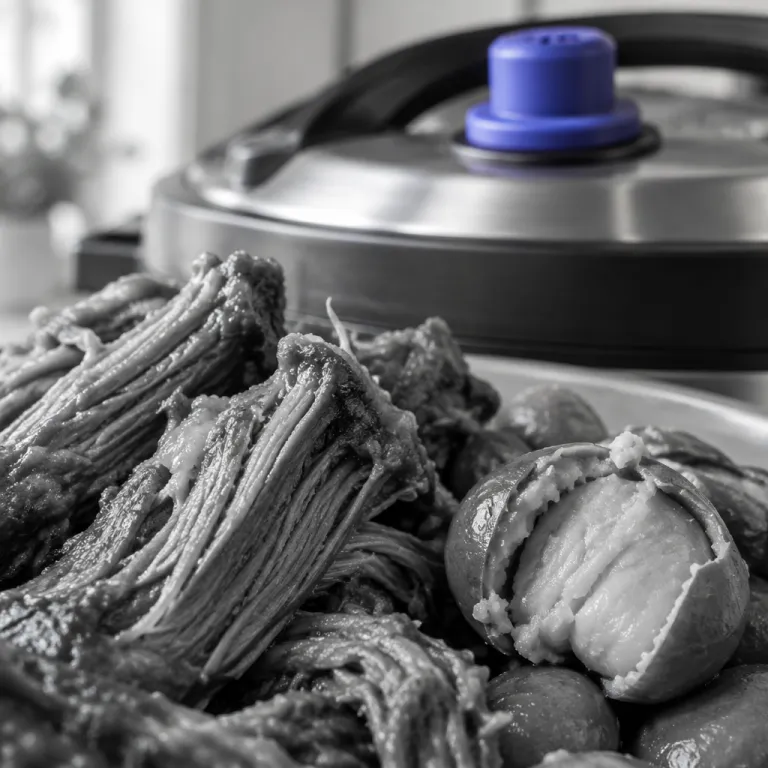
How pressure cooking works science explained for everyday home cooks
Think of an electric pressure cooker as a smart sealed pot that bends the rules of boiling water. Inside that pot, trapped steam raises the internal pressure, and that higher pressure changes how heat moves through food so cooking times drop dramatically. When you understand how pressure, steam, temperature and liquid interact, you stop guessing and start adjusting recipes with real confidence.
At normal atmospheric pressure, the boiling point of water sits around 100 °C, which quietly caps how hot simmering foods can get. When you lock the lid on modern pressure cookers and the steam pressure climbs to about 0,7 to 1 bar above atmospheric pressure, the boiling point of the water will increase to roughly 115–120 °C. That higher cooking pressure means every bubble of steam carries more heat energy into your food, so tough cuts and dry beans soften instead of just circling endlessly at a gentle boil.
Electric pressure cookers manage this cooker pressure with sensors that watch both temperature and psi, then cycle the heat source on and off. Most countertop cookers run around 10–12 psi above atmospheric pressure, while some stovetop pressure cookers reach 15 psi, which is close to 1 bar of extra pressure. In practical cooking foods terms, that difference in psi bar translates into a noticeable change in cooking times, especially for dense foods like chickpeas, kidney beans and beef shank.
From tough collagen to silky gelatin: why meat transforms under pressure
Tough meat is mostly a story of collagen, the connective tissue that makes brisket chewy at low heat but luscious when cooked pressure high enough for long enough. Under gentle cooking, collagen slowly unwinds and dissolves into gelatin, but that process at normal boiling point temperatures can take three hours or more. Raise the steam pressure inside a pressure cooker and you raise the temperature of the braising liquid, which accelerates that collagen to gelatin conversion dramatically.
In an electric cooker, braising liquid around 118 °C pushes heat deep into the meat fibers, so cooking food like chuck roast or oxtail reaches the critical temperature range for collagen breakdown much faster. Because the lid stays locked and the pressure release valve only vents small bursts of gas and steam, very little water escapes, so the liquid stays at that high temperature instead of cooling. The result is cooked pressure meat that shreds with a fork in under an hour, where the same cut in a slow cooker might still be resisting after six hours.
This is where how pressure cooking works science explained becomes more than trivia and starts guiding your choices. If you want pulled beef with structure, you stop the heat source as soon as the pressure released naturally and the internal temperature falls, which prevents the muscle fibers from drying out. For ultra tender shredded pork, you hold cooking pressure a little longer, knowing that the ideal gas law relationship between pressure, volume and temperature keeps the braising liquid hot enough to finish dissolving stubborn collagen without needing extra time on the clock.
Electric models like the Instant Pot Duo 7, the Ninja Foodi 6,5 L and the Breville Fast Slow Pro all sit in the same pressure range, so the science of collagen breakdown applies across brands. Where they differ is how precisely they manage cooker pressure and how quickly they move from full steam pressure to a gentle pressure release, which can slightly change texture. Once you grasp that higher temperature from increased pressure is the real engine of tenderness, you can compare cookers by how consistently they hold that environment instead of just counting presets.
Energy efficiency is the quiet bonus of this whole process, because shorter cooking times at higher temperature use less electricity than long oven braises. A detailed breakdown of how your pressure cooker uses less energy than your oven is laid out in this analysis of the math behind pressure cooker energy savings, and the numbers back up what you feel on your utility bill. Faster tender meat is not just convenient ; it is also usually cheaper to run.
Hard beans, soft centers: starch, cell walls and pressure
Dried beans look simple, but they are built like tiny safes, with tough cell walls and dense starch that resist water. At normal boiling point temperatures, water molecules move too slowly through those walls, which is why traditional simmering often needs soaking and hours of cooking. Raise the cooking pressure inside a sealed pot and the hotter water and steam penetrate those walls much faster, so the beans soften without turning to mush.
Under higher pressure, the temperature of the cooking liquid climbs above the usual point water boils, which speeds up both starch gelatinization and the breakdown of pectin in the bean skins. That combination is the real reason pressure cooking foods like chickpeas, black beans and lentils can go from dry to tender in under an hour, while the same foods on the stovetop might still be chalky. Because the lid stays sealed and only controlled pressure release happens through the valve, the ratio of water to beans stays stable, which keeps the texture consistent from batch to batch.
For electric pressure cookers, this is where understanding how pressure cooking works science explained pays off in fewer split skins and fewer undercooked centers. Use just enough water to cover the beans by 2–3 cm, knowing that very little liquid will escape while cooker pressure is high, and avoid filling the pot more than halfway because beans expand. If you want a deeper dive into timing, soaking and seasoning, a dedicated guide on how to pressure cook beans perfectly in an electric cooker walks through specific cooking times and water ratios that match what the physics predicts.
Compared with slow cooking, which relies on long exposure at lower heat, pressure cooking beans uses higher temperature to do the same structural work in a fraction of the duration. The ideal gas behavior of steam in the sealed chamber means that as pressure rises, temperature will increase in lockstep, so every minute at full pressure counts more than a minute at a bare simmer. Once the pressure released phase begins and the lid unlocks, the temperature drops back toward atmospheric pressure boiling, so any extra time at that stage does almost nothing for texture.
If you enjoy slow cooker spaghetti or chili, you can translate those recipes to an electric pressure cooker by leaning on this same science. A rich crockpot spaghetti that tastes slow simmered can be adapted by browning meat first, then using a shorter high pressure phase to hydrate pasta and concentrate sauce. The key is remembering that cooking foods under pressure is about managing temperature and liquid, not just copying minutes from a different heat source.
Browning, flavor and the Maillard reaction inside a sealed cooker
Pressure cooking is wet cooking, and that matters for browning because the Maillard reaction prefers dry, hot surfaces. Inside a sealed pressure cooker, steam saturates the environment, so the surface of the food rarely gets much hotter than the surrounding liquid. That means you cannot rely on the pressure phase alone to build the deep roasted flavors you get from a skillet or oven.
The Maillard reaction is the set of chemical reactions between amino acids and sugars that create browned crusts on steak, toasted bread and roasted coffee. Those reactions speed up dramatically as temperature climbs above 140 °C, which is well above the boiling point of water even under high cooking pressure. Because the steam pressure inside a cooker keeps surfaces bathed in hot liquid and gas, the food surface usually hovers closer to 120 °C, which is great for tenderness but not ideal for aggressive browning.
This is why almost every serious pressure cooker recipe tells you to sauté meat and aromatics before locking the lid. By browning in the pot on a high heat source with the lid off, you let the Maillard reaction run on the dry surface, then you trap those browned bits under liquid when you start pressure cooking. During the pressure phase, those browned compounds dissolve into the cooking liquid, so cooking food under pressure ends up with a sauce that tastes like it simmered for hours, even though the clock says otherwise.
Electric pressure cookers with strong sauté modes, like the Instant Pot Pro or the Ninja Foodi, make this easier because they can get the base of the pot hot enough before any steam builds. If your cooker struggles to brown, you can use a separate pan on the stovetop, then transfer the foods and deglaze the pot with a little water or stock to capture the fond. Either way, the science stays the same ; Maillard reaction first in dry heat, then collagen and starch work under moist pressure.
When the pressure released stage begins and you open the lid, you can always switch back to sauté to reduce sauces and push flavor concentration further. At that point, atmospheric pressure returns, steam pressure drops, and the boiling point of the liquid falls back to its usual level, so you are essentially back to regular stovetop cooking. Understanding how pressure cooking works science explained helps you decide when to chase browning and when to chase tenderness, instead of expecting one phase to do everything.
Slow cooking vs pressure cooking: texture, nutrients and weeknight strategy
Slow cookers and pressure cookers often promise the same comfort foods, but they get there by very different physics. A slow cooker holds food just above the boiling point of water at atmospheric pressure, relying on long duration rather than high temperature. An electric pressure cooker uses higher pressure to push the temperature of the liquid up, so cooking times shrink while textures shift in specific ways.
For tough meats and dried beans, higher cooking pressure is usually the better tool because collagen and starch respond strongly to temperature. At 115–120 °C inside a pressure cooker, collagen unwinds and starch gelatinizes far faster than at the gentle simmer of a slow cooker, so you get tender results in under an hour instead of all day. That same sealed environment also means less water loss, so cooking foods like stews and braises under pressure often yields a more concentrated sauce than the looser liquids you see after slow cooking.
Nutrient retention is another place where how pressure cooking works science explained gives you an edge. Many vitamins, especially water soluble ones like vitamin C and some B vitamins, degrade with both heat and time, so shorter exposure at higher temperature can actually preserve more nutrients than long simmering. Because pressure cookers keep the liquid and steam trapped under the lid until pressure release, any nutrients that do leach into the water stay in the pot, ready to be eaten in the broth or sauce.
There are tradeoffs. Delicate foods like fish, quick cooking vegetables and custards often prefer the gentle, even heat of slow cooking or standard steaming, because the aggressive environment of high steam pressure can wreck their texture. Anything that needs dry heat for crispness, like roast chicken skin or oven fries, will never shine in a sealed pot full of liquid and gas, no matter how clever the cooker presets look.
From a weeknight strategy perspective, I reach for the pressure cooker when I want braises, beans or whole grains fast, and I keep the slow cooker for hands off, all day recipes where texture is forgiving. Understanding the relationship between pressure, temperature and boiling point lets you convert recipes between the two with fewer failures. It is not about owning more cookers ; it is about matching the physics of the tool to the structure of the food.
Safety, pressure release and practical control over your cooker
Modern electric pressure cookers are far safer than the rattling stovetop models your grandparents remember, but they still deserve respect. Every cooker relies on a tight sealing lid, a gasket, a locking mechanism and at least one pressure release valve to manage steam pressure. When you understand how cooker pressure builds and how pressure released phases work, you can choose the right release method for both safety and texture.
During cooking, the heat source boils the water or other cooking liquid, generating steam that raises the internal pressure and temperature. Sensors monitor that pressure in psi and temperature in degrees, cycling the heat so the cooker hovers around its target cooking pressure instead of climbing without limit. If anything goes wrong, backup valves vent gas and steam to keep the pressure within safe psi bar ranges, which is why you sometimes hear short bursts of steam even when everything is working normally.
When the timer ends, you usually choose between natural pressure release and quick pressure release. Natural release means turning off the heat and letting the steam pressure fall on its own as the pot cools, which can take 10–30 minutes but is gentler on foods like beans and large roasts. Quick release uses the valve to vent steam rapidly back to atmospheric pressure, which drops the boiling point of the liquid fast and stops the cooking food almost immediately, but it can rough up delicate foods and foamier liquids.
Knowing how pressure cooking works science explained helps you match the release method to the dish. For meats where carryover heat helps finish collagen breakdown, a partial natural release followed by quick release often gives the best balance of tenderness and timing. For starchy foods like beans and grains, a full natural release reduces the risk of starchy foam clogging the valve, which is both safer and less messy.
Always respect the fill lines on the pot, especially when cooking foods that expand or foam, because overfilling reduces the air space needed for safe steam pressure control. Check the gasket regularly for wear, since a damaged seal can prevent the cooker from reaching proper pressure or cause premature pressure release that leaves food undercooked. Treat the cooker like any serious heat tool in the kitchen ; understand the physics, follow the safety design and it will reward you with fast, reliable meals.
Key numbers behind pressure cooking performance
- Most electric pressure cookers operate at about 70–80 kPa above atmospheric pressure, which corresponds to roughly 10–12 psi and raises the boiling point of water to around 115–118 °C according to manufacturer specifications.
- Typical stovetop pressure cookers reach about 100 kPa above atmospheric pressure, or 15 psi, which pushes the boiling point of water closer to 120 °C and can reduce cooking times for tough meats by up to two thirds compared with open pot simmering, based on tests from appliance labs.
- Studies comparing nutrient retention show that pressure cooking can preserve up to 90–95 % of vitamin C in some vegetables, while traditional boiling may retain closer to 40–70 %, because shorter cooking times reduce heat exposure.
- Energy analyses of household appliances indicate that pressure cookers can use roughly 50–70 % less energy than conventional ovens for similar braised dishes, due to shorter cooking times and better insulation.
- For dried beans, controlled kitchen tests consistently find that pressure cooking at 10–12 psi can cut cooking times from 90–120 minutes on the stovetop down to 25–35 minutes at pressure, with similar or better tenderness when water ratios are adjusted correctly.
FAQ: how pressure makes meat tender and beans soft
Why does food cook faster in a pressure cooker than in a regular pot ?
Food cooks faster in a pressure cooker because the sealed lid lets steam build up, which raises the internal pressure and the boiling point of water. At that higher temperature, heat moves into the food more quickly, so collagen in meat and starch in beans break down faster. The combination of elevated temperature and moist steam pressure is what shortens cooking times so dramatically.
Is pressure cooking better than slow cooking for tough cuts of meat ?
For most tough cuts rich in collagen, pressure cooking is usually better if you want tenderness on a weeknight schedule. The higher cooking pressure raises the temperature of the braising liquid, which speeds up collagen conversion to gelatin compared with the gentle heat of a slow cooker. Slow cooking can still be excellent for flavor and forgiving timing, but it rarely matches the speed to tenderness ratio of a good pressure cooker.
Do I need to soak beans before pressure cooking them ?
You do not have to soak beans before pressure cooking, because the higher temperature and pressure help water penetrate the bean skins and hydrate the interiors quickly. Soaking can still improve texture and reduce gas for some people, but it is optional rather than mandatory. If you skip soaking, you usually just add a little extra water and a few more minutes at full pressure.
Does pressure cooking destroy more nutrients than other methods ?
Pressure cooking generally preserves nutrients as well as, or better than, long boiling because it uses shorter cooking times. While the temperature is higher, the reduced exposure to heat means less breakdown of sensitive vitamins overall. Since the cooking liquid stays in the pot, any nutrients that leach out remain in the broth or sauce, which you typically eat.
Why can I not get crispy skin or roasted textures in a pressure cooker ?
You cannot get true crispiness in a pressure cooker because the environment is full of steam and liquid, which keeps the surface of the food too moist. The Maillard reaction that creates crisp, browned crusts needs dry, hot air or direct contact with a very hot pan. To get crispy textures, you need to finish foods under a broiler, in an oven, in an air fryer lid or in a skillet after the pressure cooking phase.