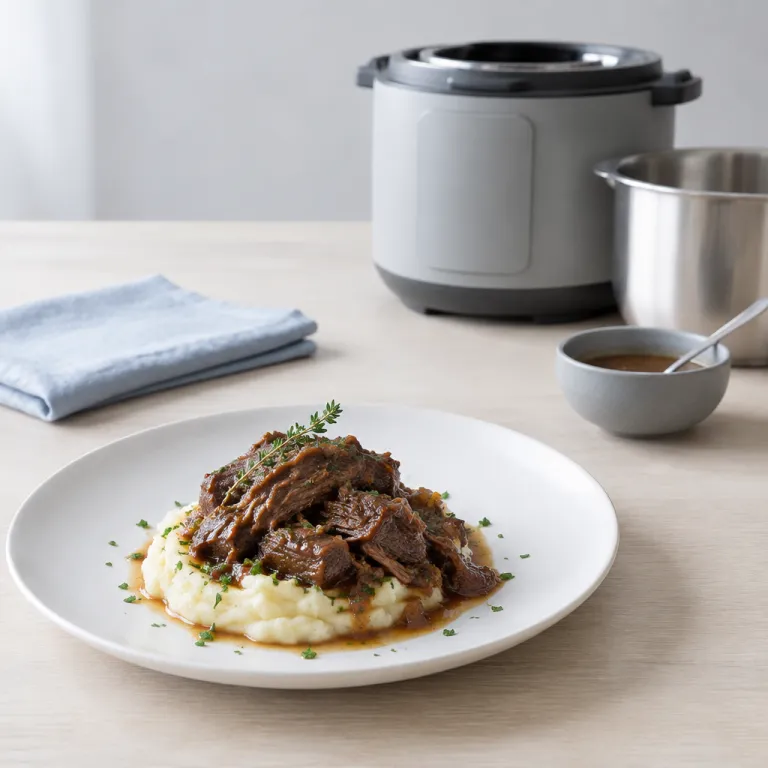
Why pressure cookers are built for cheap cuts and budget meals
The pressure cooker was designed for economy long before convenience mattered. Under high pressure, cheap cuts of beef and pork that usually need three hours in a slow cooker turn tender in 35 to 45 minutes, which makes pressure cooker cheap cuts budget meals a realistic plan for any weeknight. When you use an electric pressure cooker or an Instant Pot for these cuts, you are paying less per kilogram for meat while still getting rich flavor and soft texture.
Think about a chuck roast, pork shoulder, or bone in chicken thighs compared with boneless skinless chicken breasts. The cheaper cuts have more connective tissue and fat, and that collagen melts under pressure into a silky sauce that makes the whole meal taste like it simmered all day, so your total time in the kitchen drops while quality rises. In my testing with a 5.7 liter Instant Pot Duo and a 6 liter Breville Fast Slow Pro, the same 1.3 kilogram chuck that needed three and a half hours in a Dutch oven turned into spoon tender beef in about 45 minutes at high pressure plus a natural release.
This is where the economic logic becomes obvious for busy home cooks. A 1.3 kilogram pork shoulder cooked in an electric pressure cooker yields about eight to ten generous servings, and when you divide the price by those portions the serving calories and cost beat almost any takeout option. That same pot of shredded pork can anchor several different meals during the week, which turns one cheap cut into tacos, rice bowls, and a hearty vegetable soup without extra cooking stress.
How pressure transforms tough meat into tender budget dinners
High pressure changes the way heat moves through food, and that is why cheap cuts shine. In an electric pressure cooker or Instant Pot, steam trapped in the sealed pot raises the boiling point of water, so the braising liquid around your meat can reach about 118 to 121 degrees Celsius instead of stopping at 100. That higher temperature speeds up the breakdown of collagen in beef shank, pork shoulder, and pot roast, which is exactly what you want for pressure cooker cheap cuts budget meals.
For a basic pressure cooked pot beef recipe, I like a 1.2 kilogram chuck roast cut into large chunks. Brown the meat directly in the Instant Pot on sauté, add onions, carrots, and a simple tomato based sauce, then lock the lid and cook at high pressure for 40 minutes with a natural release time, which gives you a total time of about 70 minutes including heat up and cool down. The result is a budget friendly beef stew that tastes like it simmered all afternoon, and the nutrition facts per serving compare well with restaurant versions because you control the salt and fat.
Whole chicken is another powerful budget move in a pressure cooker. A 1.5 kilogram bird usually costs less per kilogram than pre cut pieces, and in an Instant Pot or similar electric cooker you can make tender pot chicken in about 25 to 30 minutes at high pressure plus a quick release, then turn the carcass into stock for soup. That single whole chicken can become shredded chicken for rice bowls, a creamy mac and cheese topping, and a light vegetable soup, which stretches your grocery budget while keeping meals varied.
Dried beans, rice, and pantry staples: the real budget power move
If cheap cuts are the headline, dried beans and rice are the quiet workhorses of pressure cooker cheap cuts budget meals. Dried beans cost a fraction of canned, and an electric pressure cooker removes the overnight soak that usually keeps them off the weeknight table. A 500 gram bag of dried black beans can yield about eight to ten servings once cooked, and when you pair those beans with a little pork or leftover beef you get hearty meals for well under the price of any meal kit.
To get consistent results with beans, you need to understand why they sometimes stay firm. Hard water, old beans, and not enough time at pressure are the usual culprits, and an article on the real reason your beans are still hard explains how mineral content and bean age affect cooking. Once you dial in your preferred recipes and cooker recipes for beans, you can batch cook a kilogram at once, portion them into containers, and use them across pot meals like chili, bean and rice bowls, and vegetable soup with shredded chicken or pork.
Rice is just as important for budget cooking in an Instant Pot or any electric cooker. White rice usually cooks at low pressure for 3 to 4 minutes with a 10 minute rest before quick release, while brown rice needs closer to 20 to 22 minutes at high pressure, and those predictable timings make meal prep simple. When you combine a pot of rice with a tray of roasted vegetables and a batch of pressure cooked meat, you can assemble easy meals all week that beat takeout on both estimated cost and serving calories.
Using beans and grains to stretch meat without losing flavor
One of the smartest ways to use an Instant Pot or other electric pressure cooker is to treat meat as a flavoring rather than the main event. A small amount of pork shoulder or beef shank cooked under pressure with a large volume of beans and grains creates a pot of food that feels rich while keeping calories and costs in check. This approach fits perfectly with pressure cooker cheap cuts budget meals, because you are stretching the most expensive ingredient across many servings.
For example, a pot of smoky pinto beans with pork trimmings or a leftover ham bone can cook in about 35 minutes at high pressure, and you can serve it over rice the first night, then fold the leftovers into quesadillas or a thick bean soup. When you look at the nutrition facts, each serving delivers plenty of protein and fiber, and the estimated cost per bowl often lands under one dollar. That is the kind of math that makes an electric pressure cooker or Instant Pot pay for itself in a few months of regular use.
Batch cooking grains in your Instant Pot also supports low stress meal prep. A large pot of brown rice or barley cooked at high pressure with a natural release holds well in the fridge for several days, and you can reheat it with a splash of water in just a few minutes. Pair those grains with leftover pot chicken, shredded beef, or pressure cooked pork, and you have flexible pot meals that keep your budget and your schedule under control.
Best pressure settings and timings for meat and vegetables
Getting the most from cheap cuts in an electric pressure cooker means understanding when to use high versus low pressure. High pressure is ideal for tough meat like chuck, shank, and pork shoulder, while low pressure suits delicate vegetables and chicken breasts that dry out easily. A detailed guide on dual pressure settings explained shows how those settings change texture, and that knowledge is crucial for reliable pressure cooker cheap cuts budget meals.
For most budget beef cuts, I recommend 35 to 45 minutes at high pressure with a natural release, which lets the internal temperature fall slowly and keeps the fibers from tightening. Pork shoulder usually needs 45 to 60 minutes at high pressure depending on the size of the chunks, and bone in chicken thighs often finish in 10 to 12 minutes at high pressure with a short rest before a quick release. Those timings assume a standard 5.7 to 6 liter Instant Pot or similar electric cooker, and they give you a reliable starting point for your own recipes and cooker recipes.
Vegetables need a different strategy, especially when you are pairing them with long cooking meat. Root vegetables like carrots and potatoes can handle 5 to 8 minutes at high pressure, but green beans, broccoli, and peas turn mushy if you cook them that long, so for mixed meals I often add delicate vegetables after pressure cooking and use the residual heat. When you are making a full pot meal like beef stew or chicken and rice, cut the vegetables into larger chunks so they survive the total time under pressure without falling apart.
Quick release versus natural release for budget ingredients
The way you release pressure matters almost as much as the cooking time. A quick release, where you manually vent steam as soon as the timer ends, is best for vegetables, delicate chicken, and mac and cheese because it stops the cooking quickly and protects texture. Natural release, where you let the pressure cooker cool down on its own, suits tough meat and large batches of beans, and it often adds 10 to 20 minutes to the total time but improves tenderness.
For cheap cuts of beef and pork, I almost always use at least 10 minutes of natural release before switching to quick release, because that gradual drop in pressure keeps juices inside the meat. When you are cooking budget friendly pot chicken with bones, a five minute natural release followed by a careful quick release usually balances tenderness and moisture. Once you understand how to choose between quick release and natural release, you can fine tune your recipes instant and pot recipes for consistent results.
Some electric models, including several Instant Pot versions, offer a programmed quick release that pulses steam instead of blasting it all at once. That feature can help prevent starchy foods like rice or mac and cheese from sputtering through the valve, and it is especially useful when you are cooking large servings for family meals. Whether you use manual or automatic quick release, always keep your hands clear of the steam path and remember that safety is part of the value equation for any budget conscious kitchen.
Big batch strategy: cook once, eat four times
The real budget magic of an electric pressure cooker or Instant Pot shows up when you start cooking in big batches. A single session on Sunday can produce enough shredded beef, pork, or pot chicken to anchor four or five different meals during the week, which slashes both your estimated cost per serving and your mental load. This is the heart of pressure cooker cheap cuts budget meals, because you are using time and pressure to turn inexpensive ingredients into flexible building blocks.
Take a 2 kilogram pork shoulder as an example. In a 6 liter electric pressure cooker, you can cut it into large chunks, season it simply with salt, spices, and a little tomato sauce, then cook at high pressure for about 60 minutes with a natural release, which gives you a total time of roughly 90 minutes. That batch yields around 12 to 14 servings of shredded pork, and when you divide the price of the roast by those portions, the serving calories and cost beat almost any frozen dinner or meal kit.
Once the meat is cooked, the rest is simple meal prep. Portion the shredded pork or beef into containers, freeze some for later, and plan a rotation of easy meals like tacos, rice bowls, stuffed baked potatoes, and hearty soup with vegetables. You can repeat the same strategy with whole chicken cooked in an Instant Pot, turning one bird into pot chicken for sandwiches, a creamy mac and cheese topping, and a light broth based recipe that uses up stray vegetables.
Comparing cost per serving with takeout and meal kits
When you compare home cooked pot meals from an electric pressure cooker with takeout or meal kits, the numbers are not close. A typical fast casual takeout meal in many American cities now costs between 12 and 18 dollars per person, while meal kits often land around 9 to 11 dollars per serving once you include shipping. In contrast, a big batch of pressure cooked beef stew or pork and beans usually comes in under three dollars per serving, even when you buy decent quality meat and vegetables.
Those savings grow when you factor in leftovers and reduced food waste. A pot of beef and vegetable soup made from bones and trimmings that might otherwise be discarded turns into two or three extra servings, and the nutrition facts often look better than restaurant options because you are not paying for heavy cream or excess salt. Over a month of regular use, an Instant Pot or similar electric cooker can shift a family from frequent takeout to mostly home cooked meals, and that change shows up clearly in both the grocery budget and the household health profile.
There is also a time comparison that matters for busy home cooks. While a pressure cooked batch of pot beef or shredded chicken might take 60 to 90 minutes of total time, your active work is usually under 20 minutes, and the rest is unattended cooking. That is less hands on effort than driving to pick up takeout or unpacking and cooking a meal kit, and it leaves you with flexible ingredients instead of a single finished meal.
Cheap Instant Pot recipes that earn their spot in your rotation
Not every Instant Pot recipe is worth repeating, especially when you care about budget and flavor. After months of testing, a few core recipes instant stand out as reliable anchors for pressure cooker cheap cuts budget meals, because they use inexpensive ingredients, cook in under an hour, and reheat well. These include a basic pot beef and rice bowl, a smoky pork and bean soup, and a creamy but frugal mac and cheese that uses pantry staples.
For a simple pot chicken and rice dish, start with bone in thighs, rinsed long grain rice, onions, and frozen vegetables. Brown the chicken in the Instant Pot, add the aromatics, stir in the rice and broth, then cook at high pressure for 8 minutes with a 10 minute natural release, which keeps the grains separate and the meat juicy. This kind of one pot meal keeps both calories and estimated cost in check, and it scales easily for larger servings.
Mac and cheese in an electric pressure cooker can be more than a novelty. When you cook the pasta under pressure for just 4 to 5 minutes, then stir in evaporated milk and a modest amount of sharp cheddar, you get a creamy base that pairs beautifully with leftover shredded pork or beef. A good recipe creator will give you clear nutrition facts and serving calories, but even a basic version usually beats boxed mac and cheese on both taste and ingredient quality.
Using expert guidance to master dried beans and budget staples
Reliable dried bean recipes are essential for any budget minded Instant Pot owner. If you want consistent tenderness and predictable time, a detailed guide like mastering pressure cooking dried beans for reliable tender results can save you from trial and error. Once you understand how bean age, water quality, and pressure interact, you can build your own cooker recipes that fit your pantry and your schedule.
Combining those beans with cheap cuts of meat turns them into full meals. A pot of black beans cooked with a small piece of pork shoulder, onions, and spices can become tacos, burrito bowls, and a thick soup over several days, and the estimated cost per serving stays low even when you add fresh toppings. When you track your own pot recipes and recipes instant in a notebook or app, you quickly build a personal library of easy budget dishes that suit your family.
Over time, you will notice that the electric pressure cooker shifts from a novelty gadget to a core budget tool. It handles cheap cuts of beef, pork, and chicken with ease, turns dried beans and rice into fast weeknight staples, and supports a big batch strategy that keeps both calories and costs under control. In the end, what matters is not the feature list on the box but how often your Instant Pot or similar cooker helps you put satisfying, affordable meals on the table.
Key numbers behind pressure cooker budget cooking
- In many American supermarkets, whole chicken often costs 30 to 40 percent less per kilogram than boneless skinless breasts, which makes whole birds ideal for pressure cooker cheap cuts budget meals when you use both the meat and the carcass for stock.
- Dried beans typically cost about one third as much per cooked serving as canned beans, and an electric pressure cooker cuts the active cooking time to under 10 minutes, with 30 to 40 minutes of unattended pressure cooking.
- A 1.3 kilogram chuck roast cooked in an Instant Pot or similar electric cooker usually yields eight to ten servings of beef stew, and the estimated cost per serving often falls below three dollars when you buy the meat on sale.
- Home cooked pot meals from cheap cuts and pantry staples often land between 400 and 700 serving calories per portion, which compares favorably with many restaurant meals that can exceed 1 000 calories per plate.
- Batch cooking one large recipe of shredded pork or pot beef in an electric pressure cooker can replace four to six takeout dinners in a week, and that shift can save a typical family more than 100 dollars per month in food spending.
FAQ about pressure cookers and budget friendly cheap cuts
What are the best cheap cuts of meat for an electric pressure cooker ?
The best cheap cuts for an electric pressure cooker or Instant Pot are those with plenty of connective tissue and some fat. Chuck roast, beef shank, pork shoulder, and bone in chicken thighs all become tender and flavorful under pressure, which makes them perfect for pressure cooker cheap cuts budget meals. These cuts usually cost less per kilogram than premium steaks or boneless breasts, but they deliver deeper flavor when cooked under high pressure.
How much money can I realistically save using a pressure cooker for budget meals ?
Most home cooks can cut their per serving food costs by 30 to 50 percent when they shift from frequent takeout and meal kits to home cooked pot meals built around cheap cuts and pantry staples. An electric pressure cooker or Instant Pot helps by turning dried beans, rice, and inexpensive meat into fast, satisfying meals with minimal active time. Over a month, that change often translates into savings of 80 to 150 dollars for a family that previously relied heavily on restaurant food.
Is an Instant Pot better than a slow cooker for cheap cuts ?
Both tools can handle cheap cuts, but an Instant Pot or similar electric pressure cooker usually wins on speed and flexibility. A slow cooker can produce excellent results with beef or pork, yet it often needs eight hours on low, while an electric pressure cooker can achieve similar tenderness in under 90 minutes of total time. If you value fast meal prep and the ability to cook dried beans and rice as well as meat, the pressure option offers more versatility for pressure cooker cheap cuts budget meals.
How do I avoid overcooking vegetables when cooking meat under pressure ?
To protect vegetables in mixed dishes, cut them into larger pieces, place them on top of the meat, and choose a cooking time that suits the longest cooking ingredient. For very delicate vegetables, cook the meat first in the electric pressure cooker, then use the sauté function to simmer the vegetables in the hot cooking liquid after you release pressure. This approach keeps textures pleasant while still delivering the convenience and savings of pressure cooker cheap cuts budget meals.
Are pressure cooked budget meals healthy in terms of calories and nutrition ?
Pressure cooked budget meals can be very healthy when you balance cheap cuts of meat with plenty of vegetables, beans, and whole grains. Because you control the ingredients in your Instant Pot recipes, you can limit added fat and salt while still getting rich flavor from collagen and aromatics, which keeps serving calories reasonable. Many home cooked pot recipes built around beans, rice, and modest amounts of beef, pork, or chicken compare favorably with restaurant dishes when you look at the full nutrition facts.