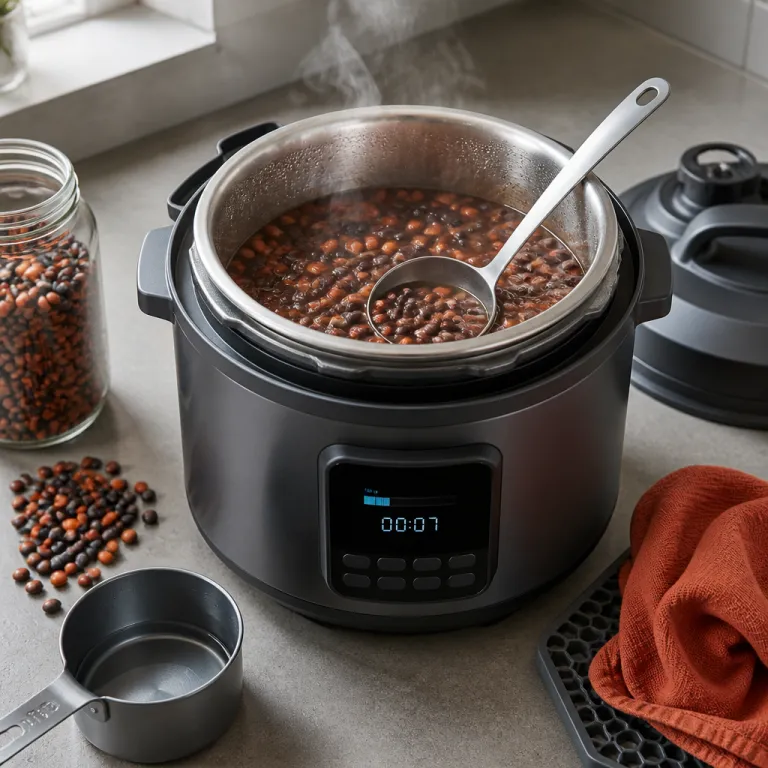

Why pressure cooking dried beans beats canned for flavor and value
Pressure cooking dried beans in an electric pressure cooker delivers deeper flavor than most canned beans. When you cook dried bean varieties under controlled high pressure, starches hydrate evenly and the beans keep their shape while turning creamy inside. This combination of speed, texture, and nutrition makes cooking beans in an Instant Pot–style cooker one of the most efficient home kitchen habits.
Buying dried beans in bulk costs far less per kilogram than canned beans, and you control the salt, liquid, and seasoning from the first minutes of cooking. A single 500 gram bag of black beans or kidney beans can yield several batches of cooked beans, ready for freezing in cups of their own cooking liquid. With a reliable pressure cooker and a repeatable recipe, you can cook dried beans in minutes instead of hours, without constant stirring or topping up water.
Some cooks worry that pressure cooking beans will make them mushy, but the opposite usually happens when you respect the correct cooking time. Because an electric pressure cooker reaches high pressure quickly and holds it steady, each bean cooks at the same rate, so you avoid the half hard, half blown out texture that often appears with stovetop simmering. Once you understand how pressure, water, and time interact, you can adapt one core method into dozens of recipes that suit your taste and schedule.
Essential ratios for water, salt, and dried beans in an electric cooker
For most varieties, a reliable starting ratio is one part dried beans to three parts water by volume in the pot. That means one cup of dried beans, such as black beans or kidney beans, covered with about three cups of fresh water or light stock as the main cooking liquid. This ratio leaves enough liquid for the pressure cooker to reach high pressure safely while still producing tender cooked beans rather than soup.
Salt timing matters as much as water volume when you are pressure cooking dried beans in an Instant Pot or any other electric cooker. Many home cooks now add one to one and a half teaspoons of salt per cup of dried beans directly to the cooking liquid, because controlled tests by kitchen science writers such as America’s Test Kitchen and Serious Eats show that salted water helps the bean skins stay intact while the interiors soften. If you prefer to reduce sodium, you can add only a small pinch of salt at the start, then adjust the seasoning after the cooking time has finished and the pressure has dropped.
Soaking changes both cooking time and texture, especially for older dried beans that have sat in storage for many months. If you soak black beans for eight to twelve hours in plenty of water, you can often reduce the pressure cooking time by a third while still reaching a creamy interior. When you want a full guide to tender vegetables under pressure, including corn on the cob, you can study a detailed method for making tender corn in a pressure cooker and apply the same logic about liquid and timing to your bean recipes.
Step by step method for pressure cooking dried beans in an instant style pot
Use this basic procedure as a template for most common bean varieties:
- Rinse your dried beans under cold running water, removing any stones or damaged pieces before they reach the pot.
- Place the cleaned beans in the pressure cooker insert, then add the correct number of cups of water or other liquid so that the beans are submerged by at least three centimetres.
- Add aromatics such as onion, garlic, bay leaf, or a pinch of dried chilli at this stage, but avoid acidic ingredients like tomatoes or vinegar until after the main cooking time.
- Lock the lid, set the valve to sealing, and choose the manual or pressure cooking program on your Instant Pot or similar electric pressure cooker.
- Select high pressure and set the timer according to the bean type, usually between 20 and 35 minutes for unsoaked black beans and kidney beans, or 10 to 15 minutes for soaked beans of the same size.
- Allow the cooker several minutes to reach high pressure before the countdown begins; remember that the total cooking time always includes both the heat up and the natural release phases.
- When the programmed time has elapsed, let the pressure drop naturally for at least ten to fifteen minutes before you consider a quick release, because this rest helps the beans finish cooking gently in hot liquid.
- Open the lid carefully, test several beans for tenderness, and if they are still firm, you can return the lid and cook a few minutes more at high pressure in short bursts.
For busy holiday cooking, you can combine this method with other dishes, as shown in guides to pressure cooker shortcuts for ribs, beans, and corn, which demonstrate how to manage overlapping recipes in one cooker.
Typical cooking time ranges for black beans, kidney beans, and mixed batches
Different bean varieties need different cooking time ranges, even under the same high pressure setting in an electric cooker. Small black beans usually reach a tender but not broken texture after about 20 to 25 minutes on high pressure if unsoaked, while soaked black beans often need only 10 to 12 minutes under pressure. Kidney beans, which are larger and denser, often require 30 to 35 minutes of pressure cooking time when unsoaked, or 18 to 22 minutes for soaked batches.
When you are cooking beans in mixed batches, such as combining black beans and kidney beans in one recipe, always base your timing on the largest, slowest cooking bean. In practice, that means setting the pressure cooker for the full kidney bean time and accepting that the smaller beans may become slightly softer, which many cooks actually prefer in soups and stews. If you want firmer cooked beans for salads, cook each bean type separately, cool them in their own liquid, then combine them later in the final recipes.
Altitude, age of the dried beans, and the mineral content of your water can all shift the ideal cooking time by several minutes. Hard water can keep beans firm even after long cooking, so some cooks use filtered water or add a small pinch of baking soda to the cooking liquid to help soften the skins. When you face stubbornly hard dried beans after what seems like enough time under pressure, a detailed troubleshooting guide such as the real reason your beans stay hard can help you adjust both liquid and time.
Quick reference timing table (approximate ranges)
| Bean type | Soaked? | High-pressure time |
|---|---|---|
| Black beans | No | 20–25 minutes |
| Black beans | Yes (8–12 hours) | 10–12 minutes |
| Kidney beans | No | 30–35 minutes |
| Kidney beans | Yes (8–12 hours) | 18–22 minutes |
Safety, nutrition, and texture when cooking beans under high pressure
Safety is non negotiable when you cook dried beans, especially kidney beans, in a pressure cooker, because undercooked beans can contain higher levels of natural toxins. Kidney beans are rich in phytohaemagglutinin, a lectin that can cause severe digestive upset if the beans are not heated sufficiently. To manage this risk, food safety agencies such as the UK Food Standards Agency and guidance summarised by the U.S. Food and Drug Administration advise boiling kidney beans in plenty of water for at least ten minutes before you start pressure cooking, then discarding that first liquid and proceeding with fresh water in the pot. This brief pre boil step, followed by a full high pressure cycle that brings the beans to a rolling boil before sealing, ensures that both toxins and tough cell walls are broken down effectively.
From a nutrition perspective, pressure cooking dried beans preserves protein, fibre, and most minerals while slightly reducing some heat sensitive vitamins, which is similar to other moist heat methods. Because the beans cook in a closed environment with limited water, fewer nutrients leach out compared with long simmering in an open pot, especially when you cool and store the cooked beans in their own cooking liquid. If you usually rely on canned beans, shifting to home cooked pressure cooked beans lets you reduce sodium and avoid some additives while still enjoying the convenience of ready to use cooked beans.
Texture control is where an Instant Pot or similar electric pressure cooker really shines for cooking beans. By adjusting the ratio of cups of liquid to beans, the length of the natural release, and whether you soak or cook dried beans straight from the bag, you can move from firm salad beans to soft mashable beans for dips. When you want a slightly thicker sauce, simply simmer the beans uncovered after pressure cooking until some of the cooking liquid reduces and the starches create a silky liquid around each bean.
Beginner friendly recipes that turn cooked beans into fast meals
Once you have a batch of cooked beans from your pressure cooker, turning them into meals becomes a matter of minutes rather than hours. A simple black bean bowl starts with two cups of cooked black beans warmed in their liquid, then finished with salt, lime, and a pinch of chilli, ready to spoon over rice or roasted vegetables. For a heartier option, combine kidney beans and black beans in a thick tomato based sauce, using some of the cooking liquid as part of the cooking liquid to build body and flavour.
Many beginners appreciate recipes that use both dried beans and canned beans, because this mix balances convenience and cost. You might pressure cook dried beans on the weekend, then stretch them with one can of black beans or kidney beans during the week when you need extra portions quickly. In these recipes, the Instant Pot serves first as a pressure cooker for cooking beans, then as a regular pot for simmering stews, which keeps washing up to a minimum.
For salads, cool the cooked beans completely in their cooking liquid, then drain and rinse gently before dressing them with oil, vinegar, herbs, and salt. The firm texture of beans cooked under high pressure holds up well in these recipes, especially when you keep the cooking time on the shorter side and avoid over reducing the liquid. Over time, you will learn how a few minutes more or less in the cooker changes the way each bean behaves in soups, salads, and spreads, which is the real key to mastering pressure cooking dried beans at home.
Key figures about pressure cooking dried beans
- Pressure cooking can reduce the active cooking time for dried beans by around 50 to 75 percent compared with stovetop simmering, according to timing comparisons published by appliance manufacturers such as Instant Brands and independent kitchen testing by outlets like America’s Test Kitchen.
- One cup of dried beans, which weighs roughly 200 grams, typically yields about three cups of cooked beans, providing enough protein rich portions for three to four people in a main dish.
- Home cooked beans made from dried beans usually contain less than half the sodium of many canned beans, based on nutrition label comparisons from major supermarket brands.
- Studies on pulse consumption show that eating beans at least three times per week is associated with improved markers of heart health, which makes efficient cooking methods like high pressure preparation especially valuable.
Handy conversion and ratio cheat sheet
| Dry beans | Approx. weight | Water (1:3 ratio) | Cooked yield |
|---|---|---|---|
| 1/2 cup | ~100 g | 1 1/2 cups | ~1 1/2 cups |
| 1 cup | ~200 g | 3 cups | ~3 cups |
| 2 cups | ~400 g | 6 cups | ~6 cups |
FAQ about pressure cooking dried beans in an electric cooker
How much water should I use for pressure cooking dried beans ?
A practical starting point is one part dried beans to three parts water by volume, which usually means one cup of beans to about three cups of liquid in the pot. This amount gives the pressure cooker enough water to reach and maintain high pressure without leaving the beans swimming in excess liquid. You can adjust slightly for thicker or thinner sauces, but never go below the minimum liquid line marked inside your cooker.
Do I need to soak dried beans before using an instant pot ?
Soaking is optional for an Instant Pot or similar electric pressure cooker, because high pressure can soften unsoaked beans effectively with a longer cooking time. Soaked beans usually cook faster and more evenly, especially for older dried beans, and they may cause fewer digestive issues for some people. If you skip soaking, simply increase the cooking time and allow a full natural pressure release.
Why are my beans still hard after pressure cooking ?
Beans can stay firm if they are very old, if your water is high in minerals, or if the cooking time was too short for the variety. Hard water and very old dried beans both slow down softening, so you may need filtered water, a slightly longer time at high pressure, or a small pinch of baking soda in the cooking liquid. When this happens, close the lid again and cook a few minutes more under pressure in short intervals until the beans reach the texture you want.
Can I freeze cooked beans from the pressure cooker ?
Cooked beans freeze very well, especially when you pack them in their own cooking liquid in portioned containers. Many home cooks freeze one to two cups of cooked beans per container, which makes it easy to replace canned beans in recipes later. Thaw them overnight in the refrigerator or reheat gently from frozen with a splash of fresh water in a small pot.
Is it safe to pressure cook kidney beans without pre boiling them ?
Most safety guidelines advise boiling kidney beans in plenty of water for at least ten minutes before pressure cooking, then discarding that first liquid. This step helps reduce natural toxins such as phytohaemagglutinin more reliably than pressure alone, especially if your cooker does not reach full pressure or if the time is set too low. After the pre boil, you can proceed with normal high pressure cooking in your electric pressure cooker, using fresh water and your preferred seasonings.