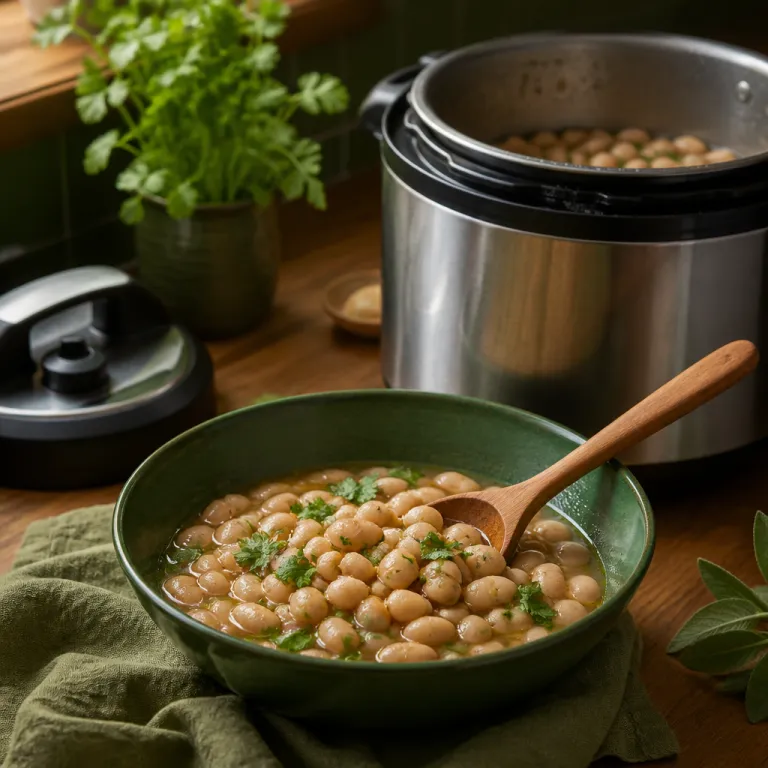

How to pressure cook beans safely in an electric pot
Learning how to pressure cook beans in an electric pot starts with safety, planning, and a clear sense of timing. When you use an electric pressure cooker, you harness high pressure and high heat to transform dried beans into tender bites in far fewer minutes than on the stove. That speed is powerful, but it will reward you only if you respect the cooker, measure the water correctly, and track the cooking time with care.
Start by checking your dried beans for stones, shriveled pieces, or damaged skins, because these defects affect both flavor and safety. Rinse the bean mixture thoroughly under cold filtered water, then decide whether you will soak beans or cook beans from dry, since this choice changes the minutes under pressure and the total cooking time. Most home cooks love the convenience of skipping the soak, yet soaking beans for at least 8 hours in plenty of water reduces gas causing compounds and can shorten the time at high pressure needed in your recipe.
Before you add beans to the pot, confirm that the sealing ring is clean, the pressure release valve moves freely, and the inner pot is correctly seated. Electric pressure cooking relies on a tight seal, so any damage will prevent the cooker from reaching high pressure and will extend the cooking time unpredictably. Once the equipment is ready, you can add beans, filtered water, and seasonings, then lock the lid and set the instant program that matches your chosen recipe and bean variety.
Choosing the right beans, water ratio, and electric pressure settings
Different beans respond differently to pressure cooking, so variety matters as much as minutes. Small black beans and black bean mixes soften faster than large kidney beans, while chickpeas often need more cooking time at high pressure to reach a creamy texture. If you want to cook beans for a salad where each bean holds its shape, you will use fewer minutes under pressure than when you want very soft beans for purées.
For most electric pressure cooker models, a safe starting ratio is one part dried beans to about three parts filtered water by volume. This ratio gives the pot enough water to generate steam and maintain pressure without creating a soupy texture that dilutes flavor, and it also leaves room for foam expansion so the pressure release system stays clean. When you add beans to the inner pot, avoid filling above the halfway mark, because beans expand significantly during pressure cooking and can clog the pressure release valve if the pot is too full.
Set your instant pot or other electric pressure cooker to a standard high pressure setting, which in many consumer models corresponds to roughly 10 to 12 psi and temperatures above the boiling point of water. For black beans, many cooks love starting with around 25 to 30 minutes at high pressure if the beans are not soaked, then adjusting the next time based on texture. If you are new to pressure cooking vegetables and grains, you can compare your bean timing with guidance from trusted tutorials on making tender corn in a pressure cooker, which explain how high pressure and natural pressure release interact to protect delicate textures.
Soaking, timing, and natural pressure release for perfect texture
Whether you soak beans or not changes how you answer the question of how do you pressure cook beans efficiently. When you soak beans overnight in plenty of filtered water, they hydrate before cooking, so the pot needs fewer minutes at high pressure to reach the same tenderness. Many cooks also find that soaked beans cause less digestive discomfort, especially when they discard the soaking water and cook beans in fresh water with aromatics.
For soaked black beans in an instant pot, a common starting point is about 8 to 10 minutes at high pressure followed by a full natural pressure release, often written as minutes NPR or min NPR in recipes. Natural pressure release means you let the pressure drop on its own without touching the valve, which can take 15 to 20 minutes NPR depending on the cooker and the total volume in the pot. This gentle pressure release keeps the bean skins intact, reduces foaming through the valve, and helps the pot beans finish cooking in the residual heat without overcooking the outer layers.
If you skip soaking dried beans, you will need more cooking time at high pressure, sometimes doubling the minutes for firm varieties like chickpeas. When you experiment with cooking beans instant style from dry, consult detailed timing charts for soaked beans and unsoaked beans in an instant pot so you can compare your results and adjust. A reliable guide on how long to cook soaked beans in an Instant Pot for perfect texture explains why a few extra minutes under pressure or a longer natural pressure release can mean the difference between chalky centers and creamy interiors.
Step by step: from dried beans to table ready dishes
To turn dried beans into a meal, start by measuring one cup of beans and checking that your pot size matches the recipe. Rinse the beans under running water, then either soak beans in a separate bowl or add beans directly to the cooker with three cups of filtered water and a teaspoon of salt. At this stage you can also add aromatics such as onion, garlic, bay leaves, or a piece of kombu, which will infuse flavor during pressure cooking without changing the basic cooking time dramatically.
Lock the lid, set the valve to the sealed position, and choose the manual or pressure cook program on your instant pot or similar electric pressure cooker. Select high pressure, then set the minutes based on your bean type, whether you are using soaked beans or dried beans, and whether you want firm beans for salad or softer beans for soups, remembering that pot black bean mixtures may need slightly more time than small black beans alone. Once the cooker reaches high pressure, the timer will start counting down, and when it finishes, you can either allow a full natural pressure release or wait 10 minutes NPR before using a controlled quick release to shorten the total time.
After the pressure release is complete and the float valve drops, open the lid away from your face to avoid the burst of steam. Taste several beans from different spots in the pot, because cooking beans can be uneven if the pot was crowded or if the beans were very old. If the beans are still firm, simply lock the lid again, bring the cooker back to high pressure, and cook for a few more minutes, understanding that each extra cycle will slightly thicken the cooking water and deepen the flavor.
Managing hidden minutes, safety, and common pressure cooking mistakes
Many beginners focus only on the programmed minutes at high pressure and forget the hidden minutes that shape the real cooking time. An electric pressure cooker needs time to come up to pressure and time for natural pressure release, so the total duration for cooking beans can be double the displayed minutes. This difference matters when you plan weeknight meals or batch cooking sessions, because your instant pot may be occupied for 45 to 60 minutes even when the timer shows only 20 minutes.
To understand how these hidden minutes affect your schedule, you can study a detailed explanation of why your pressure cooker cook time is only a half truth, which breaks down preheating, pressure release, and residual cooking. Safety also depends on respecting these phases, since forcing a quick pressure release when the pot is very full of beans and starchy water can cause sputtering through the valve. Allowing at least 10 minutes NPR before opening the valve reduces the risk of foam clogging, protects the pressure release mechanism, and helps pot beans finish cooking gently in the trapped steam.
Common mistakes include under salting, using too little water, and crowding the pot with both beans and dense vegetables. If you add beans and thick tomato sauces together at the start, the mixture can scorch on the bottom and prevent the cooker from reaching high pressure, leading to uneven cooking beans and frustrating error messages. A better strategy is to cook beans in plain filtered water with aromatics first, then add tomato, acidic ingredients, or extra salt after the beans are tender and the pressure has been safely released.
Turning pressure cooked beans into salads, mains, and batch cooked staples
Once you master how do you pressure cook beans in an electric cooker, you gain a versatile base for many meals. A simple pot of black beans cooked with onion, garlic, and bay leaves can become the heart of a warm salad, a hearty stew, or a quick taco filling. Because pressure cooking concentrates flavor in the cooking water, you can use that liquid as a light broth or reduce it into a sauce that clings to every bean.
For a bright bean salad, drain the beans while still slightly warm and toss them with olive oil, vinegar, herbs, and finely chopped vegetables. Warm beans absorb dressing better than cold beans, so the salad will taste more seasoned and the texture will stay tender rather than mealy, especially when you have controlled the minutes at high pressure and the natural pressure release carefully. If you love meal prep, cook beans in large batches, cool them quickly, and store them with some of their cooking water in the refrigerator for several days or in the freezer for longer periods.
When reheating beans instant style in your pot, add a splash of filtered water to prevent scorching and use a short pressure cooking cycle or the sauté function. Leftover pot beans can be mashed into a black bean spread, stirred into soups, or folded into grain bowls, giving you protein rich options without opening a can. Over time, you will learn how small changes in cooking time, water volume, and pressure release create beans that suit different recipes, from brothy bowls to firm salads that you will love serving to guests.
Beginner friendly pressure cooker bean recipes to build confidence
New users of an instant pot or similar electric pressure cooker often feel unsure about where to start, so simple recipes help build trust. A basic black beans instant recipe uses one cup of dried beans, three cups of filtered water, a teaspoon of salt, and a bay leaf, cooked at high pressure for about 25 minutes with a full natural pressure release. This straightforward method shows how dried beans transform into tender pot beans without constant stirring or monitoring, and it teaches you how the cooker behaves during pressure release and minutes NPR.
Another beginner friendly recipe is a mixed bean soup, where you add beans, chopped vegetables, and mild spices to the pot and cook beans together for a comforting meal. Because different bean varieties have slightly different cooking time requirements, choose a mix with similar sizes, or pre cook firmer beans for a few extra minutes at high pressure before adding softer ones. As you gain experience, you can adjust the water level, experiment with min NPR versus full NPR, and learn how to use quick release safely when you want to shorten the total time without compromising texture.
For those who love salads, try cooking a batch of black bean and corn mixture in the pressure cooker, then cooling it quickly and tossing it with lime juice, herbs, and fresh vegetables. This kind of recipe highlights how pressure cooking beans preserves color and shape when you manage the minutes at high pressure carefully and avoid overcooking. With each successful pot of beans, your confidence in pressure cooking will grow, and the electric cooker will become a reliable partner in your kitchen rather than an intimidating gadget.
Key figures and data about pressure cooking beans
- Electric pressure cookers typically reduce bean cooking time by about 50 to 75 percent compared with gentle stovetop simmering, which in many home tests means dried black beans can be ready in roughly 30 to 40 minutes total instead of more than an hour.
- Studies on legume digestion from food science and nutrition departments report that soaking beans and discarding the soaking water can reduce certain oligosaccharides by roughly 20 to 30 percent, which may lessen gas for sensitive individuals while also slightly shortening the required minutes at high pressure.
- Consumer surveys from major kitchen appliance brands often report that beans are among the top three foods cooked in electric pressure cookers, alongside rice and meat stews, highlighting how central cooking beans has become to everyday pressure cooking habits.
- Food safety guidance for home electric pressure cookers from government and university extension sources notes that high pressure settings are designed to reach at least about 10 to 12 psi, corresponding to internal temperatures well above 100 °C, which helps ensure that dried beans are cooked thoroughly enough to neutralize naturally occurring toxins in varieties such as kidney beans.
FAQ about pressure cooking beans in an electric cooker
How much water should I use when pressure cooking beans ?
A common starting point is one part dried beans to three parts filtered water by volume in the electric pressure cooker. This ratio gives enough liquid to build steam and maintain high pressure without over diluting flavor. Always keep the total volume under the halfway line when cooking beans, because they expand significantly.
Do I need to soak beans before using an electric pressure cooker ?
You do not need to soak beans, but soaking beans can reduce gas causing compounds and shorten the minutes at high pressure required. Soaked beans usually cook more evenly and are easier to digest, especially for people sensitive to legumes. If you skip soaking, increase the cooking time and allow a full natural pressure release.
Why are my pressure cooked beans still hard after the timer ends ?
Beans can stay firm if they are very old, if you used hard water instead of filtered water, or if the cooker never reached full high pressure. Salt and acidic ingredients added too early can also slow softening. Return the pot to high pressure for a few extra minutes and check that the sealing ring and valve are working properly.
Can I cook beans and other ingredients together in the same pot ?
You can cook beans with vegetables and spices, but thick tomato sauces or very salty broths can cause scorching and uneven cooking. A safer method is to cook beans in water with aromatics first, then add tomatoes, vinegar, or extra salt after the pressure release. This approach protects the cooker and gives you more control over texture.
How long can I store pressure cooked beans in the refrigerator or freezer ?
Pressure cooked beans keep well in the refrigerator for about three to five days when stored in their cooking liquid in a sealed container. For longer storage, freeze beans with some of the cooking water for up to several months. Label containers with the bean type and cooking date so you can track freshness easily.