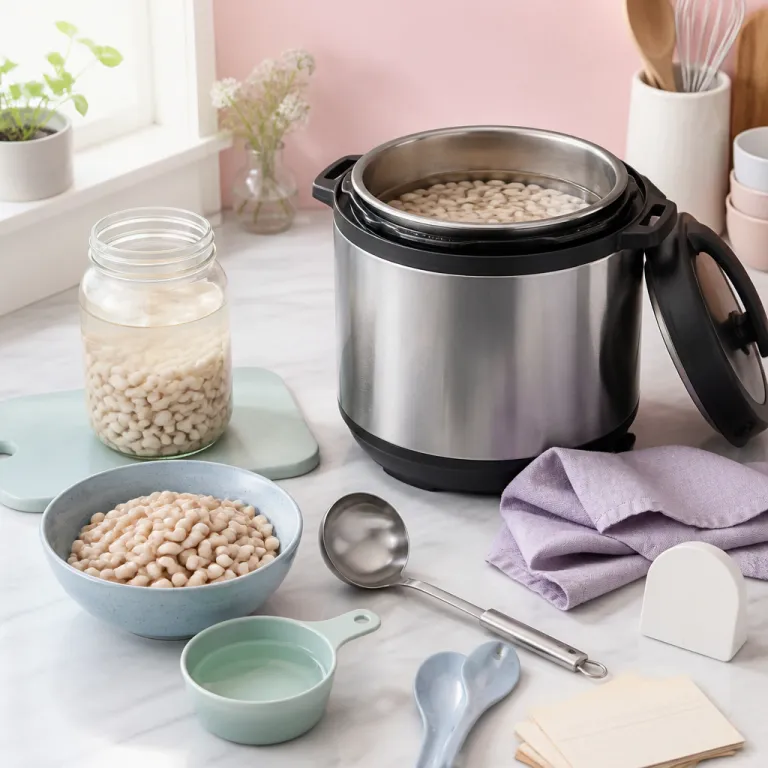
Understanding how long to cook soaked beans in an Instant Pot
For most soaked beans in an Instant Pot, plan 5 to 12 minutes at high pressure. That cooking time window covers many varieties, but you still need to adjust for bean size, age, and how soft you prefer them. If you rush the cook time or skip soaking beans properly, you risk either crunchy centers or beans cooked into a mushy paste.
Small soaked beans such as black beans, navy beans, and similar black bean varieties usually need 5 to 8 minutes at high pressure. Medium beans like pinto or cannellini often require 8 to 10 minutes, while large dried beans such as chickpeas can take 10 to 12 minutes before they are fully cooked. When you pressure cook soaked beans, always factor in the extra 10 to 15 minutes of pressure build up and natural release time, because that hidden time also continues beans cooking gently.
To keep your timing consistent, use a standard ratio of one part dried beans to about three parts water in the pot. This water level gives the beans room to expand while they cook and helps prevent scorching on the bottom of the Instant Pot inner pot. If you reduce the water too much, the pressure cooking cycle may fail or your cooked beans may split and stick before the full cook time is complete.
Soaking beans, salt, and how they change pressure cooking time
Soaking beans before pressure cooking shortens the time they need at high pressure and improves digestibility. When you soak beans for 8 to 12 hours, the bean skins hydrate evenly, which helps them cook in fewer minutes and with fewer burst skins. If you skip soaking and pressure cook dried beans directly, you often need to increase the cook time by 30 to 50 percent.
Many home cooks still worry that salt will toughen soaked beans, but modern testing shows that salting the soaking water can actually help. When you add salt to the water during soaking beans, sodium ions move into the bean skins and help them stay intact while they cook under pressure. For a typical pot of 500 grams of dried beans, use about 1 tablespoon of salt in the soaking water, then either cook in the same liquid or drain, rinse, and add fresh water before you cook beans in the Instant Pot, depending on your sodium preference.
During active cooking beans in an electric pressure cooker, lightly salt the cooking water but avoid very salty broths, which can lengthen the time needed for tender results. If you plan a strongly seasoned recipe such as pressure cooker pulled pork in 90 minutes, the recipe structure is different from a simple pot beans batch and the timing for soaked beans will not match meat based recipes. For the most reliable texture, treat each bean recipe as its own test, record the exact minutes at pressure, and adjust the next time you cook soaked beans in your pot.
Timing guidelines for different beans in an Instant Pot
When people ask how long to cook soaked beans in an Instant Pot, they usually want a clear table of times. While every bean and every pot behaves slightly differently, you can rely on a few tested ranges for everyday cooking beans at home. These ranges assume soaked beans that have been drained, rinsed, and covered with fresh water before you pressure cook them.
Use the following quick-reference chart for common soaked beans cooked at high pressure, followed by at least 10 minutes of natural release:
- Black beans and other small black bean varieties: 5 to 7 minutes
- Navy beans and other small white beans: 5 to 8 minutes
- Pinto beans, cannellini, and similar medium beans: 8 to 10 minutes
- Kidney beans and other large red beans: 9 to 11 minutes
- Chickpeas and other very large dried beans: 10 to 12 minutes
Soaked black beans and other small black bean varieties usually turn tender in 5 to 7 minutes at high pressure, followed by at least 10 minutes of natural release. Kidney beans, white beans, and similar medium beans instant batches often need 8 to 10 minutes under pressure, again with a natural release to finish the cooking gently. Chickpeas and other large dried beans can require 10 to 12 minutes of pressure cooking, and very old dried beans may still need a few extra minutes of cook time.
For mixed bean recipes, always time the pot for the largest bean in the mix, then check a few cooked beans after the pressure drops. If they are slightly firm, you can simply add beans back under pressure for 1 to 2 extra minutes, which is faster than starting a full new recipe from scratch. When you move on to more complex dishes such as global pressure cooker recipes for birria, dal, and ramen, remember that added acids, tomatoes, or salt can slow beans cooking and may require a small increase in minutes at high pressure.
Water ratios, pot size, and avoiding common Instant Pot mistakes
The ratio of water to beans in the pot directly affects both safety and texture. For soaked beans, a good starting point is 1 part bean to 3 parts water by volume, which usually keeps enough liquid above the beans during pressure cooking. If you use less water, the Instant Pot may not reach full pressure or may trigger a burn warning before the beans are cooked.
Pot size matters because a 3 litre model heats and cools faster than an 8 litre model, which changes the effective cook time for soaked beans. In a larger pot, the thicker layer of water and beans takes longer to come to high pressure, so the beans receive extra gentle cooking before the timer even starts. That means a recipe that calls for 8 minutes at high pressure in a small pot might yield softer cooked beans in a larger pot, even with the same programmed cook time.
To avoid uneven beans cooking, always deglaze the bottom of the Instant Pot after sautéing aromatics, scraping up any browned bits before you add beans and water. This simple step prevents scorching, which can otherwise stop the pressure cook cycle and leave your soaked beans only half cooked. When you experiment with richer recipes that include meat or frozen ingredients, review safe practices for pressure cooking, such as those used when safely cooking frozen chicken in a pressure cooker, and then adapt the same caution to every bean recipe.
Seasoning, texture control, and adapting recipes for soaked beans
Seasoning soaked beans in an Instant Pot is about timing as much as flavor choice. Aromatics such as onion, garlic, bay leaves, and whole spices can go into the pot from the start of pressure cooking, because they tolerate long exposure to heat. Delicate herbs and acidic ingredients such as vinegar or citrus should be added after the beans are cooked, so they brighten the recipe without hardening the bean skins.
If you want firm cooked beans for salads, reduce the cook time by 1 to 2 minutes from the standard range and rely on a full natural release to finish the beans cooking gently. For creamier textures in soups or stews, increase the pressure cook time by 1 to 3 minutes and stir vigorously after cooking to break some beans against the side of the pot. When you adapt traditional stovetop recipes to pressure cooking, always cut the simmering time by at least half and then test a small batch of soaked beans before scaling up.
Salt levels also influence texture, so taste the cooking liquid after you add beans and adjust lightly, knowing that flavors will concentrate as water reduces. If you plan to mash black beans or another soft bean into a dip, you can cook beans slightly longer than usual, because the goal is a very tender texture rather than intact skins. Over several recipes, keep notes on bean type, water ratio, and minutes at high pressure, building your own reliable chart for how long to cook soaked beans in an Instant Pot for every style of dish.
Beginner friendly Instant Pot bean recipes and step by step workflow
For beginners, the most forgiving recipe is a simple pot of seasoned black beans cooked from soaked beans. Start with 250 grams of dried beans that have soaked overnight, then drain, rinse, and add them to the Instant Pot with about 750 millilitres of water, 1 teaspoon of salt, and basic aromatics. Set the cooker to high pressure for 6 to 7 minutes, allow at least 10 minutes of natural release, and then check several cooked beans for tenderness.
Once you are comfortable with that workflow, you can branch into more complex recipes that combine beans with grains or vegetables. For example, you might cook beans instant style with brown rice by staggering the cook time, partially cooking the rice first and then using a shorter pressure cook phase for the soaked beans. As you explore global pressure cooking recipes, such as those that show how birria, dal, and ramen adapt to electric pressure cookers, pay attention to how each recipe balances liquid, cook time, and natural release to protect delicate ingredients.
Every time you cook beans in the Instant Pot, treat the process as a repeatable experiment rather than a guess. Record the bean variety, soaking time, water level, and exact minutes at high pressure, then note whether the cooked beans were firm, tender, or soft. Over time, this habit turns scattered recipes into a personal reference for how long to cook soaked beans in an Instant Pot, tailored to your equipment, your water, and your preferred textures.
Key statistics on pressure cooking soaked beans
- Soaked beans generally cook in 5 to 12 minutes at high pressure in an electric pressure cooker, compared with roughly 45 to 90 minutes on a gentle stovetop simmer, so pressure cooking can cut active cook time by more than half for many bean varieties.
- Using a natural pressure release of at least 10 minutes after the programmed cook time can add the equivalent of 2 to 3 extra minutes of gentle cooking, which often makes the difference between slightly firm and perfectly tender cooked beans in an Instant Pot.
- Salting soaking water at about 1 tablespoon of salt per 500 grams of dried beans has been shown in controlled kitchen tests to reduce bean skin splitting while maintaining a similar total cooking time under pressure.
- Water ratios of roughly 1 part beans to 3 parts water by volume are widely recommended for pressure cooking soaked beans, because they leave enough liquid to prevent scorching while still producing a flavorful, concentrated cooking broth.
- Older dried beans, stored for more than one year in typical pantry conditions, can require 25 to 50 percent longer under high pressure than freshly harvested beans, which explains why two batches of the same variety may need different cook times in the same pot.
- Red kidney beans and some related varieties contain naturally occurring lectins; food safety agencies recommend boiling them briefly or ensuring they reach a full rolling boil during cooking before eating, even when you use an electric pressure cooker.
FAQ about cooking soaked beans in an Instant Pot
How long should I cook soaked black beans in an Instant Pot
For soaked black beans, most cooks achieve tender results with 5 to 7 minutes at high pressure followed by at least 10 minutes of natural release. Use about three times as much water as beans by volume and check several beans after the lid unlocks. If they are slightly firm, you can reseal the pot and cook for 1 to 2 extra minutes.
Do I need to soak beans before pressure cooking them
You can pressure cook dried beans without soaking, but the cook time will be significantly longer and the texture may be less even. Soaking beans for 8 to 12 hours hydrates them, shortens the pressure cook phase, and often improves digestibility. For people new to electric pressure cooking, starting with soaked beans usually gives more predictable results.
How much water should I use for soaked beans in an Instant Pot
A practical starting point is 1 part soaked beans to 3 parts water by volume, which keeps the beans submerged throughout pressure cooking. This ratio works for most varieties, including black beans, pinto beans, and white beans. If you add many vegetables or thick sauces, increase the water slightly to avoid triggering a burn warning.
Why are my beans still hard after the recommended cook time
Beans that remain hard after the suggested minutes at high pressure are often very old or were not fully soaked. Hard water with high mineral content and acidic ingredients such as tomatoes can also slow beans cooking. In these cases, return the beans to high pressure for 2 to 4 more minutes and use a full natural release before checking again.
Can I season the beans while they cook under pressure
Yes, you can add salt, spices, onions, garlic, and whole herbs to the cooking water before sealing the pot, and they will infuse the beans during pressure cooking. Avoid adding large amounts of acidic ingredients until after the beans are tender, because strong acids can toughen the skins and lengthen the cook time. For layered flavor, season lightly before cooking and adjust with fresh herbs, citrus, or extra salt once the beans are fully cooked.