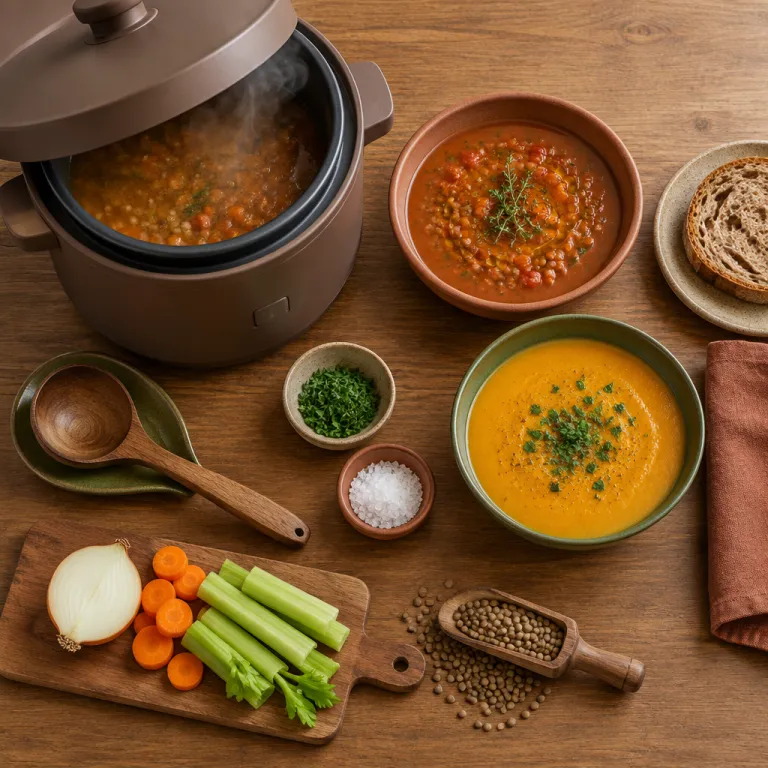
Why pressure cooker soups taste like they simmered all day
Soup is where an electric pressure cooker quietly shows off. In a sealed pot under high pressure, aromatic vegetables, bones, and beans break down faster and release flavor that usually needs a long simmer. For anyone hunting for genuinely easy pressure cooker soup recipes, this is where weeknight cooking starts to feel like restaurant cooking without the restaurant hours.
Under pressure, the boiling point of water rises, so the cooker extracts flavor from chicken, black beans, and potatoes in a fraction of the usual time. That is why a basic chicken and vegetable soup recipe that might take 2 hours on the stove can taste deep and complex after only 20 to 25 minutes of pressure cooking. The result is not just faster cooking time minutes, but a different style of cooking where the broth, vegetables, and grains taste more integrated and less like separate parts floating in a pot.
Think about lentil soup or potato soup, which often need long simmering to turn silky. In an instant pot or any modern electric pressure cooker, those same lentils and potatoes soften quickly while still holding enough structure to keep the soup interesting. This is the core promise behind easy pressure cooker soup recipes for meal prep fans who want a full pot soup on Sunday and still have energy left for the rest of the week.
The sauté then pressure method for deeper flavor
The biggest mistake beginners make with soup instant cooking is skipping the sauté step. Using the sauté function on your cooker to brown onions, garlic, and chopped vegetables before you add liquid builds a base that no packet of stock powder can match. When you then lock the lid and bring the pot to pressure, those browned bits dissolve into the broth and turn a simple soup recipe into something that tastes carefully layered.
Start with a little oil in the instant pot or other pressure cooker, then cook finely chopped onions for about five minutes until golden. Add garlic, tomato paste, and spices, letting them toast for one or two minutes to wake up their flavors before you stir in tomatoes, stock, and any grains such as rice for a future chicken rice soup. This sauté then pressure sequence is the backbone of most easy pressure cooker soup recipes that feel like they came from a slow cooker but in a fraction of the time.
Once the base is ready, you can add potatoes, lentils, or black beans, then seal the pot and cook under pressure. For a creamy vegetable soup, pressure cooking softens pot vegetable mixtures so thoroughly that a quick blend turns them into a smooth, rich bowl without heavy cream. This method also works beautifully for pot lentil combinations, where the lentils and chopped vegetables melt into a thick, satisfying texture that reheats well for several days.
Bean and lentil soups that actually benefit from pressure
Bean based soup recipes are where pressure cooking stops being a convenience trick and becomes a real upgrade. Dry black beans, chickpeas, and lentils soften quickly under pressure, so you can skip overnight soaking and still get tender results. For meal prep, that means a large pot soup can go from pantry staples to packed lunches in under an hour.
A classic lentil soup is a perfect starting point for beginners who want easy pressure cooker soup recipes that never feel fussy. Sauté onions, carrots, and celery in the cooker, add garlic, spices, and a spoonful of tomato paste, then stir in lentils, stock, and chopped tomatoes. Cook at high pressure for about 10 to 12 minutes, let the pressure drop naturally for another 10 minutes, and you will have a thick, comforting pot lentil soup that tastes like it simmered all afternoon.
If you like more texture, hold back some lentils and add them after pressure cooking, then simmer on sauté for a few extra minutes. For a creamy finish without dairy, blend half the lentil soup directly in the pot with an immersion blender, leaving the rest chunky. This same pattern works for chili style soups, where you can combine black beans, tomatoes, spices, and a little minced meat for a chili instant style bowl that cooks in far less time than a traditional slow cooker batch.
From pantry to bowl in under 30 minutes
One of the strongest arguments for pressure cooking is how quickly it turns pantry ingredients into dinner. With an instant pot or similar electric pressure cooker, you can cook lentils, canned tomatoes, and chopped vegetables into a complete meal in roughly 25 to 30 minutes total. That includes the time minutes needed for the pot to reach pressure and then release it safely.
For a fast vegetable soup, sauté onions and garlic, then add mixed frozen vegetables, potatoes, and stock, seasoning with herbs and a little salt. Cook at high pressure for 5 minutes, let the pressure release naturally for another 10 minutes, and finish with a splash of olive oil or lemon juice for brightness. This kind of recipe instant approach is ideal for nights when you want soup recipes that are forgiving, flexible, and still feel like real cooking rather than reheating.
Batch cooks can double these recipes and freeze portions in flat bags or containers for future lunches. Because lentils and beans hold up well to freezing, a large pot lentil or black bean based soup will reheat with almost no loss of texture. Over time, you will build a personal library of easy pressure cooker soup recipes that you can rotate through your week without getting bored.
Chicken, rice, and potato soups for weeknight comfort
When people buy their first pressure cooker, chicken soup is usually the first test. Bone in chicken pieces, rice, and vegetables turn into a deeply flavored chicken rice soup in a single pot, with the bones enriching the broth as they cook. This is where pressure cooking quietly replaces both a separate stockpot and a slow cooker on busy weeknights.
For a classic pot chicken and rice soup recipe, start by sautéing onions, carrots, and celery until lightly browned. Add garlic, a bay leaf, and dried herbs, then nestle in chicken thighs, rice, and enough stock to cover everything by a few centimeters. Cook at high pressure for about 8 minutes, let the pressure drop naturally for 10 minutes, then shred the chicken directly in the pot and adjust seasoning before serving.
Potato based soups also shine under pressure, especially when you want something creamy without a long simmer. For a simple potato soup, sauté leeks or onions, add chopped potatoes and stock, then cook at high pressure for 7 to 8 minutes before a natural release. Blend most of the potatoes for a creamy base, then stir in a few reserved potato cubes so the soup still has some bite.
Balancing texture in creamy and chunky soups
Texture is where many easy pressure cooker soup recipes either succeed or fail. Because pressure cooking breaks down vegetables quickly, it is easy to overshoot and end up with mush if you do not plan the timing carefully. The solution is to think about which ingredients you want creamy and which you want to stay intact, then stagger when you add them to the pot.
For a creamy vegetable soup, such as a blended potato and cauliflower mix, you can add all the vegetables at once and cook them until very soft. After pressure cooking, blend the soup until smooth, then add a handful of quickly cooked vegetables or herbs at the end for contrast. This approach works well for potato soup, carrot soup, and other pureed recipes where the goal is a silky texture that still tastes fresh.
Chunky soups, like chicken rice or vegetable soup with beans, need a lighter touch. Add delicate vegetables such as peas or spinach after pressure cooking, using the residual heat from the pot soup to finish them gently. That way, your soup recipe keeps bright colors and distinct textures instead of turning into a single creamy mass.
Tomato, vegetable, and rice based soups for meal prep
Tomato forward soups and vegetable soup recipes are ideal for batch cooking in an instant pot. Tomatoes bring acidity and natural umami, which stand up well to the intensity of pressure cooking and keep the flavors lively after reheating. For meal prep, that means a big pot vegetable soup can taste just as good on Thursday as it did on Monday.
Start with a base of onions, garlic, and carrots, then add chopped tomatoes, stock, and your choice of grains such as rice or barley. Cook at high pressure for 6 to 8 minutes, then let the pressure drop naturally for another 10 minutes to avoid blowing out the softer vegetables. Stir in leafy greens or fresh herbs at the end, using the residual heat of the pot soup to wilt them gently without losing their color.
Rice soup variations are particularly useful for using up leftovers. You can add cooked rice to a vegetable rich broth after pressure cooking, letting it warm through on the sauté setting so it does not overcook. This method keeps the grains from turning mushy while still giving you the comfort of a thick, satisfying rice soup that reheats well for lunches.
Managing quick release versus natural release
How you release pressure matters almost as much as how long you cook. A quick release vents steam immediately, which is useful when you want to stop the cooking process fast to protect delicate ingredients. Natural release lets the pressure drop slowly, which continues to cook the soup and often deepens the flavor in meat and bean based recipes.
For most easy pressure cooker soup recipes, a hybrid approach works best. Use natural release for 10 minutes to let the flavors settle and the temperature drop slightly, then switch to quick release to finish and open the pot safely. This pattern is especially helpful for chicken, lentil, and black bean soups, where a little extra time under gentle pressure improves tenderness without turning everything to mush.
Delicate vegetable soup or seafood based recipes benefit more from quick release, which keeps the ingredients from overcooking. In those cases, you can cook for fewer minutes under pressure and then vent immediately, checking the texture and using the sauté function if you need a little extra cooking time. Over time, you will learn which of your favorite soup recipes prefer natural release and which ones demand a faster finish.
From freezer friendly batches to smarter weeknight planning
Pressure cooking is not just about speed, it is about predictability. Once you dial in a few reliable easy pressure cooker soup recipes, you can plan your week around them with almost no guesswork. A single full pot of lentil soup, chicken rice soup, or vegetable soup can cover several lunches and at least one emergency dinner.
For freezer friendly batches, cook your soup slightly under where you want it, especially if it contains potatoes or rice. Those ingredients continue to soften when reheated, so leaving them a little firm after pressure cooking keeps the texture pleasant later. Portion the cooled soup into containers, label them clearly, and you will have a rotation of pot soup options ready whenever you need a fast meal.
Think seasonally when you plan your soup recipes for batch cooking. Early autumn might call for lighter tomato and vegetable soup, while colder months reward thicker potato soup, lentil soup, and chili style bowls with black beans. The pressure cooker lets you move between these styles quickly, so your weekly menu can shift with the weather without adding stress to your cooking routine.
Choosing the right electric pressure cooker for soup lovers
If soup is your main goal, you do not need the most expensive cooker on the shelf. Look for an instant pot or similar model with a reliable sauté function, clear pressure indicators, and a capacity of at least 5 to 6 liters. That size gives you enough room for big batches of soup instant style meals without risking overfilling the pot.
Models with stainless steel inner pots are easier to deglaze after sautéing onions, garlic, and tomatoes, which matters when you want maximum flavor in your soup recipe. A clear, readable display and simple pressure settings also help, especially when you are juggling multiple recipes during a weekend meal prep session. You want to be able to set 8 minutes for lentils or 6 minutes for vegetable soup without scrolling through confusing menus.
Safety features such as lid lock indicators and automatic pressure release valves are standard on most modern cookers. Still, it is worth checking that your chosen model has a strong track record for reliability and does not struggle to reach or maintain pressure. Once you trust the cooker, you can focus on refining your easy pressure cooker soup recipes instead of worrying about whether the pot will behave.
Key figures that show why pressure cooker soups make sense
- Electric pressure cookers typically reduce cooking time for dried beans by around 60 to 70 percent compared with stovetop simmering, which means a black bean based soup can be ready in under an hour instead of several hours (data reported by multiple appliance manufacturers and cooking tests).
- Studies on home energy use show that pressure cooking can cut energy consumption for long simmer dishes by roughly 50 to 75 percent compared with traditional open pot boiling, which makes large batches of soup more economical for regular meal prep (figures compiled from utility efficiency reports).
- Food safety guidelines indicate that soups cooled and refrigerated within two hours of cooking can be safely stored for three to four days, which aligns well with a weekly batch cooking routine built around one or two big pots of soup (recommendations from public health agencies).
- Consumer surveys of multicooker owners consistently show that soup and stew functions rank among the top three most used settings, confirming that many buyers rely on their pressure cooker primarily for soup recipes and similar one pot meals (findings from kitchen appliance market research).
FAQ
How long should I cook soup in an electric pressure cooker ?
Most vegetable based soups need about 5 to 8 minutes at high pressure, followed by 10 minutes of natural release. Bean and lentil soups usually take 10 to 15 minutes under pressure, again with a natural release to finish cooking gently. Chicken soups with bone in pieces often fall in the 8 to 12 minute range, depending on the size of the pieces and whether you are including rice or other grains.
Can I use frozen chicken or vegetables in pressure cooker soup recipes ?
You can safely use frozen chicken and vegetables in easy pressure cooker soup recipes, but you need to adjust the timing slightly. Frozen ingredients make the pot take longer to reach pressure, which effectively adds a few extra minutes of cooking. For chicken, it is usually better to add one or two minutes to the programmed time and check that the internal temperature reaches a safe level before serving.
Should I use quick release or natural release for soup ?
Natural release is usually better for soups with beans, lentils, or bone in meats, because it lets the flavors meld and the textures relax without violent boiling. Quick release works well for delicate vegetable soup or seafood based recipes, where you want to stop the cooking as soon as possible. Many cooks use a hybrid method, letting the pressure drop naturally for 10 minutes before switching to quick release to open the pot.
Can I double a soup recipe in my pressure cooker ?
You can double many soup recipes as long as you respect the maximum fill line on your cooker, especially the lower line recommended for foods that expand or foam. Liquids and ingredients such as rice, lentils, and beans need extra space to move under pressure, so never fill the pot more than about two thirds full. If you need more volume than that, it is safer to cook two separate batches rather than risk clogging the pressure release valve.
How well do pressure cooker soups freeze and reheat ?
Most pressure cooker soups freeze very well, especially those based on lentils, beans, and sturdy vegetables. Potato heavy soups and rice soup can become slightly softer after freezing, so it helps to cook them a little under your ideal texture before cooling and freezing. Reheat gently on the stovetop or using the sauté function of your cooker, adding a splash of water or stock if the soup has thickened too much in storage.