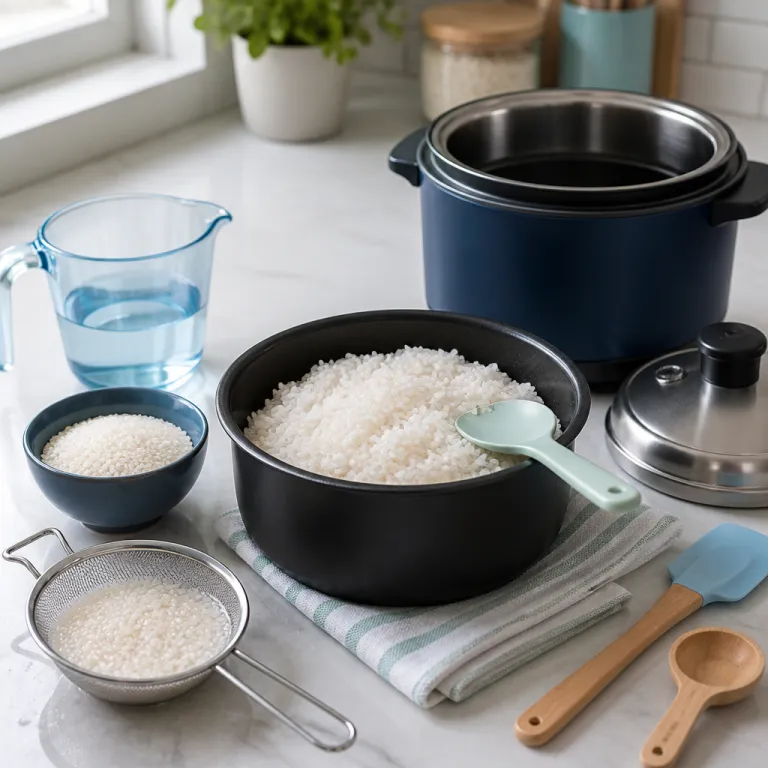
Understanding how to cook rice in an electric pressure cooker
Learning how to cook rice in a pressure cooker starts with understanding heat and steam. When you use an electric pressure cooker or an Instant Pot, high pressure raises the boiling point of water and shortens the cooking time dramatically. This combination lets you cook rice quickly while still protecting the delicate starches in both white rice and brown rice.
Think of the inner pot as a sealed cooking environment where every drop of water turns into steam. The lid locks, the cooker builds high pressure, and the cook time is controlled either by a dedicated rice program or by a manual setting. Once the programmed minutes finish, the appliance will either switch to keep warm or start a pressure release phase that completes the cooking process.
For most people, the first question is the ratio of rice to water and how many cups of water to use. A reliable starting point for white rice is one cup of dry rice to one cup of water in the pressure cooker, while brown rice usually needs more water and a longer cooking time. You can adjust this ratio slightly depending on how firm you like your cooked grains and whether you rinse the rice before cooking.
Rinsing removes excess surface starch from the rice and helps prevent sticking. Place the dry rice in a fine mesh sieve and run cold water over it until the water runs mostly clear. This simple step improves texture, especially when you cook rice at high pressure where starches can otherwise clump.
Electric models such as the Instant Pot simplify how to cook rice in a pressure cooker by automating temperature and pressure. You add rice, water, and salt, close the lid, then choose either the rice button or a manual high pressure setting. The cooker will manage the heat, adjust the cooking time, and handle the transition to keep warm once the programmed cycle is complete.
Understanding the difference between natural pressure release and quick pressure release is essential. A natural pressure release means you wait without touching the valve until the float drops, which gently finishes the cooking time for both white rice and brown rice. A quick pressure release means you carefully move the valve to venting, which rapidly drops pressure and stops the cooking almost immediately.
Quick reference: core rice settings in an electric pressure cooker
| Rice type | Ratio (rice : water) | Pressure & time | Pressure release | Rinsing |
|---|---|---|---|---|
| Long-grain white rice | 1 cup : 1 cup | High pressure, 3–5 minutes | 10 minutes natural, then quick release | Rinse until water runs mostly clear |
| Long-grain brown rice | 1 cup : 1.25 cups | High pressure, 20–24 minutes | Full natural release | Rinse; optional 30–60 minute soak |
| Pot in pot white rice | 1 cup : 1 cup | High pressure, 4–6 minutes | 5–10 minutes natural, then quick release | Rinse well to reduce foaming |
Perfect white rice: ratios, settings, and timing
For fluffy white rice, precision with ratios and timing matters more than fancy techniques. The classic guideline in a pressure cooker is one cup of dry rice to one cup of water, which differs from the stovetop method that often uses more water. Because the Instant Pot and similar cookers are sealed, less water evaporates, so the rice-to-water balance must be tighter.
Measure your rice with the same cup you use for water to keep proportions consistent. For example, if you use two cups of rice, then use two cups of water and a pinch of salt for seasoning. This simple 1:1 ratio works well for most long-grain white rice varieties when cooked at high pressure.
On many electric models, the rice button is designed for white rice only. When you press the rice button, the cooker will automatically calculate the cook time based on the volume of rice and water detected in the pot. This program usually uses lower pressure and a longer cooking time, which can produce softer grains that some people prefer.
If you want more control, use the manual or pressure cook setting instead of the rice button. Set the cooker to high pressure for 3 to 5 minutes for white rice, then allow a natural pressure release for 10 minutes before opening the lid. This combination of short cook time and gentle pressure release keeps the grains separate and tender.
When you are learning how to cook rice in a pressure cooker, resist the urge to open the lid early. Interrupting the cooking time or releasing pressure too soon can leave the center of the grains undercooked while the outside turns mushy. Trust the programmed cook time and let the pressure release complete before you lift the lid.
After the float valve drops and you open the cooker, use a fork to fluff the rice. This quick step releases trapped steam, separates the grains, and stops residual cooking that could otherwise over-soften the rice. If you plan to hold the rice on keep warm, fluffing also prevents the bottom layer from compacting into a dense cake.
For readers who want to refine their technique further, detailed guides on simple steps to cook brown rice perfectly can also inform how you handle white rice, especially regarding soaking and rinsing. While white rice needs less water and a shorter cook time, the same disciplined approach to measuring and managing pressure release applies. Over time, small adjustments of one or two minutes or a few tablespoons of water will help you tailor the texture to your taste.
Brown rice in an electric pressure cooker: texture and nutrition
Brown rice behaves very differently from white rice under pressure. Because brown rice retains its bran layer and germ, it needs more water and a longer cooking time to soften properly. When you cook whole-grain rice of this type in an Instant Pot or similar pressure cooker, patience and precise ratios are essential.
A reliable starting ratio for brown rice is one cup of dry rice to 1.25 cups of water. If you cook two cups of rice, use about two and a half cups of water, then adjust slightly after your first trial batch. This extra water allows the bran to hydrate fully during the high-pressure phase without leaving the center chalky.
Set your cooker to manual high pressure rather than relying on the rice button, which is usually calibrated for white rice. For most long-grain brown rice, a cook time of 20 to 24 minutes at high pressure works well, followed by a full natural pressure release. The extended pressure release time lets the grains finish steaming gently, which improves both texture and digestibility.
If your first batch of brown rice feels too firm, increase the cooking time by two or three minutes on your next attempt. Alternatively, you can keep the same cook time and add a few extra tablespoons of water to the rice and water mixture. Both adjustments change how much steam penetrates the bran during the pressure phase.
Some cooks prefer to soak brown rice for 30 to 60 minutes before adding it to the pressure cooker. Soaking partially hydrates the dry rice, which can reduce the required cook time and make the grains more tender. In that case, you may shorten the cook time by a few minutes and slightly reduce the rice-to-water ratio to prevent over-softening.
Once the natural pressure release is complete and the lid unlocks, fluff the brown rice gently with a fork. You will notice that properly cooked brown rice has distinct grains, a slight chew, and a nutty aroma that white rice lacks. If you want more guidance, a detailed tutorial on how to cook perfect brown rice in a rice cooker offers principles that translate well to pressure cooking, especially around soaking and resting times.
From a nutrition perspective, brown rice retains more fiber, vitamins, and minerals than white rice. Using an electric pressure cooker or Instant Pot to cook rice of this type makes it easier to include whole grains in everyday meals without long stovetop supervision. Once you master the balance of cups of rice, cups of water, and cooking time, brown rice becomes as convenient as any quick white rice recipe.
Step by step method: from measuring to pressure release
Successful pressure cooking of rice follows a repeatable sequence rather than guesswork. Start by measuring your dry rice accurately using a standard measuring cup or the rice cup that came with your cooker. Keeping the ratio between cups of rice and cups of water consistent is the foundation of predictable results.
Rinse the rice under cold running water until the water runs mostly clear. This step removes excess surface starch that can cause clumping, especially when you cook rice at high pressure in a sealed pot. Drain the rice well so you do not unintentionally change the rice-to-water ratio inside the cooker.
Add the rinsed rice to the inner pot, then pour in the measured water. For white rice, use roughly equal parts cups of rice and cups of water, while brown rice usually needs more water and a longer cooking time. You can add a pinch of salt or a small amount of oil to improve flavor and reduce foaming during pressure cooking.
Secure the lid on the pressure cooker and ensure the sealing ring is properly seated. Set the steam release valve to sealing so the cooker can build pressure, then choose either the rice button or the manual pressure cook setting. For most situations, using manual high pressure gives you clearer control over cook time and texture.
Once the cooker reaches high pressure, the timer will start counting down the programmed cook time. During this phase, avoid touching the lid or moving the appliance, because disturbing the pot can affect how evenly the grains cook. When the timer reaches zero, the cooker will beep and either switch to keep warm or wait for your next instruction.
Decide whether to use a natural pressure release or a quick pressure release based on the type of rice. White rice often does well with 5 to 10 minutes of natural pressure release before you carefully move the valve for a controlled quick release of remaining steam. Brown rice benefits from a full natural pressure release, which can take 15 to 20 minutes but rewards you with a better texture.
After the float valve drops, open the lid away from your face to avoid the burst of hot steam. Fluff the rice gently with a fork to separate the grains and release excess moisture, then taste and adjust seasoning if needed. If the rice seems slightly wet, leave the lid off for a few minutes so residual heat in the pot and rice can evaporate extra water naturally.
Advanced techniques: pot in pot cooking and mixed grains
Once you are comfortable with basic ratios, advanced techniques can expand what you cook in your pressure cooker. One powerful method is pot in pot cooking, where you place a smaller heat-safe pot of rice and water on a trivet inside the main pot. This approach keeps starch off the bottom of the cooker, simplifies cleanup, and lets you cook rice alongside another recipe in the base.
For pot in pot rice, keep the same rice-to-water ratios you use for direct cooking. Place one or two cups of rice with the appropriate cups of water in the smaller pot, then add at least one cup of water to the main pressure cooker to generate steam. Set the cooker to high pressure with a cook time that matches the grain type, then allow a partial natural pressure release before opening the lid.
Pot in pot cooking is especially helpful when you want to prepare a saucy main dish underneath and rice above. For example, you can cook a curry or stew in the main pot while the rice steams in the smaller pot, saving both time and energy. A detailed guide to pot in pot cooking explains how this technique effectively turns your pressure cooker into two coordinated appliances.
Mixed grains such as combining white rice with quinoa or brown rice require more attention to cooking time. Because brown rice needs longer at high pressure than white rice, you either parboil the brown rice first or accept that the white rice will be softer. A practical compromise is to mix white rice with quicker-cooking grains and reserve brown rice blends for separate batches.
When you experiment with mixed grains, always start with small test batches of one cup of dry rice and adjust from there. Keep notes on how many minutes you use, whether you choose natural or quick pressure release, and how the final texture feels. Over several trials, you will refine a personal recipe that balances nutrition, flavor, and convenience.
Seasoning also plays a larger role in advanced pressure cooking. You can replace some of the cups of water with broth, coconut milk, or tomato juice, but remember that thicker liquids may change the effective cooking time and pressure behavior. To stay safe, ensure there is always enough thin liquid in the rice mixture to generate steam and maintain stable pressure.
For those focused on meal prep, cooking larger quantities such as four or more cups of rice at once is efficient. In that case, keep the same rice-to-water ratio but extend the natural pressure release to allow the center of the mass to finish steaming. This method ensures that even the deepest layer of rice cooks evenly without becoming mushy at the edges.
Troubleshooting common rice problems in an Instant Pot
Even with clear instructions, pressure cooked rice sometimes turns out too wet, too dry, or unevenly cooked. When the rice feels mushy, the most common causes are too much water, too long a cook time, or an overly long natural pressure release. In an Instant Pot or similar cooker, small changes in cups of water or minutes under pressure can have a noticeable impact on texture.
If your rice is consistently too soft, reduce the water slightly while keeping the same amount of dry rice. For example, instead of one cup of water per cup of rice, try using just under a full cup and shorten the cook time by one or two minutes at high pressure. You can also switch from a full natural pressure release to a shorter pressure release followed by a quick vent to stop the cooking more abruptly.
When rice comes out undercooked or crunchy, the opposite adjustments apply. Increase the cups of water by a few tablespoons per cup of dry rice and extend the cooking time by two or three minutes at high pressure. If the rice is only slightly firm, you can add a splash of water, close the lid, and run the cooker for an additional warm cycle to finish steaming.
Sticking or scorching at the bottom of the pot usually means there was not enough water or the rice was not rinsed. Rinsing removes surface starch that can glue grains to the stainless steel inner pot under high pressure. Deglaze the pot after each use by adding a little water and scraping up any stuck bits before starting a new recipe.
Foaming and sputtering during quick pressure release can occur with very starchy rice or when the cooker is too full. To reduce this, never exceed the recommended maximum for rice and water, and consider adding a teaspoon of oil to the cooking liquid. If foaming persists, favor a longer natural pressure release so the pressure drops more gently before you move the valve.
Uneven results between white rice and brown rice in the same household often come from using the same settings for both. Remember that brown rice needs more water, a longer cook time, and a full natural pressure release to reach the right tenderness. White rice, by contrast, responds better to shorter minutes at high pressure and a partial natural release followed by a quick vent.
Instant Pot rice troubleshooting checklist
- Confirm the sealing ring, steam valve, and lid are correctly positioned before cooking.
- Use the right ratio: about 1:1 for long-grain white rice and 1:1.25 for long-grain brown rice.
- Rinse rice thoroughly and drain well to avoid clumping and scorching.
- Choose natural release for brown rice and at least a short natural release for white rice.
- If rice is too soft, reduce water slightly and shorten the cook time by 1–2 minutes.
- If rice is too firm, add a few tablespoons of water per cup of rice and extend the time by 2–3 minutes.
Finally, always check the sealing ring, steam valve, and lid alignment if your cooker struggles to reach high pressure. A poor seal can extend the time needed to pressurize, which throws off the effective cooking time and may leave the rice underdone. Regular maintenance of these parts ensures that every recipe, from simple white rice to complex mixed grains, cooks reliably and safely.
Key statistics about pressure cooked rice and electric cookers
- Electric pressure cookers can reduce rice cooking time by up to about 50 percent compared with traditional stovetop methods, based on manufacturer testing reported by Instant Brands for the Instant Pot line in its product documentation and user manuals.
- Peer-reviewed work from university food science departments, such as studies on whole grains and cooking methods published in journals like Food Chemistry and Journal of Cereal Science, has reported that pressure cooked brown rice retains comparable fiber content to stovetop methods while often improving levels of resistant starch, which may support better blood sugar control.
- Consumer surveys conducted by major kitchen appliance retailers and reported in their annual trend summaries consistently show that rice is among the top three foods cooked in electric pressure cookers, alongside soups and stews, highlighting how central rice recipes are to everyday use.
- Energy efficiency comparisons from national energy agencies and independent testing labs indicate that electric pressure cookers can use up to roughly 60 percent less electricity than an electric stovetop for the same quantity of rice, due to shorter cooking time and better insulation.
- Food safety guidance from national public health organizations notes that properly functioning pressure cookers reach internal temperatures above 100 °C under high pressure, which is sufficient to eliminate common foodborne pathogens present in raw grains and cooking water when used according to manufacturer instructions.
FAQ: electric pressure cookers and rice
How much water should I use for one cup of white rice in a pressure cooker ?
For most long-grain white rice, use roughly one cup of water for every cup of dry rice when cooking under high pressure. Because the cooker is sealed, very little water evaporates, so this 1:1 ratio usually produces fluffy grains. If your rice seems too firm or too soft, adjust the water by a tablespoon or two on your next batch.
Can I use the rice button for brown rice in my Instant Pot ?
The rice button on many Instant Pot models is calibrated for white rice and lower pressure. Brown rice needs more water, a longer cook time, and full natural pressure release to soften the bran properly. For that reason, it is better to use the manual or pressure cook setting on high pressure and set the minutes yourself.
Why is my pressure cooked rice sticky or mushy ?
Sticky or mushy rice usually comes from too much water, too long a cooking time, or skipping the rinsing step. Rinsing removes surface starch that can cause clumping, especially in a sealed cooking environment. Reducing the cups of water slightly and shortening the cook time often restores a lighter, fluffier texture.
Is it safe to leave rice on keep warm in a pressure cooker ?
Most modern electric pressure cookers maintain a safe temperature on keep warm, but rice should not be held for many hours. For best quality and food safety, aim to serve rice within one to two hours after cooking and pressure release. If you need longer storage, cool the rice quickly and refrigerate it in shallow containers.
Can I cook rice and another dish at the same time in my pressure cooker ?
Yes, pot in pot cooking allows you to cook rice in a smaller inner pot while a main dish cooks below. You keep the usual rice-to-water ratio in the smaller pot and add separate water to the main cooker to generate steam. This method saves time, reduces cleanup, and works well for curries, stews, and other saucy recipes served over rice.