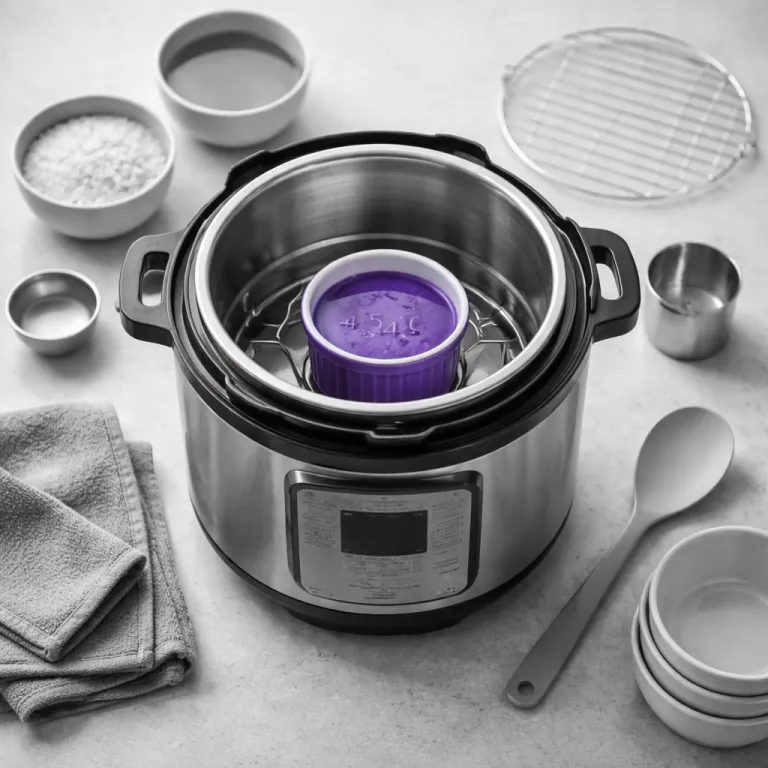
How pot in pot pressure cooker cooking actually works
Pot in pot pressure cooker cooking sounds technical but feels simple. You place a smaller heatproof pot or bowl on a trivet inside the pressure cooker inner pot, then let steam and high pressure cook the food indirectly. This pot method keeps delicate food away from the boiling liquid while still using the full power of pressure cooking.
In a typical electric pressure cooker or multi cooker, the base inner pot holds water or thin liquid that generates steam. A rack or trivet lifts a secondary pot, often stainless steel or oven safe glass, above that liquid so the steam surrounds it evenly and pressure cook settings can work as intended. Because the food in the smaller pot does not sit in the main liquid, this pot cooking technique is ideal for white rice, custards, cheesecakes, and layered recipes that would otherwise overcook.
Think of it as turning one cooker into two appliances at the same time. The lower level can pressure cook a saucy chicken recipe directly in the inner pot, while the upper bowl quietly steams rice or vegetables in the same cooking time. When the pressure release finishes and you lift the lid, you have a complete meal with minimal dishes and very predictable cook time.
Most home cooks first meet this method through an Instant Pot or similar multi cooker. The included trivet is the gateway to pot in pot pressure cooker cooking, even if the manual barely explains the technique or the best recipes. Once you understand how steam release, high pressure, and indirect heat interact, you can adapt almost any simple recipe to this layered pot method without guessing wildly at minutes or risking mushy food.
From a safety perspective, the rules stay the same as for any pressure cooker. You still need enough thin liquid in the main inner pot to build pressure, you must keep the release valve clean and unobstructed, and you must respect the minimum and maximum fill lines. The only real twist is choosing the right secondary pot size so steam can circulate freely around it and the lid can lock without fighting against a too tall bowl.
Best use cases: real weeknight wins with layered meals
Where pot in pot pressure cooker cooking shines is on a Tuesday night when you want real food fast. You can pressure cook chicken tikka masala in the inner pot while a smaller stainless steel bowl of white rice steams above, turning one cook cycle into a full dinner. This layered method cuts hands on cooking time and keeps your kitchen cooler than running an oven or air fryer for separate sides.
For busy home cooks, the most practical combo is protein plus starch. Place seasoned chicken thighs or chickpeas with sauce in the main inner pot of your instant pot or other multi cooker, add the required water for pressure, then set a trivet over the mixture and nest a rice bowl on top. In that upper pot, combine rinsed rice, water, salt, and a little oil, then lock the lid and pressure cook at high pressure for the time needed for the slower component, usually the rice.
Because the rice cooks via steam rather than direct boiling, the grains stay separate and less prone to scorching. The chicken below benefits from the same high pressure environment, so both parts of the recipe finish together after a single pressure release. If you are planning a larger batch cooking session, pairing this technique with a structured Sunday meal prep marathon strategy lets you turn one multi cooker into a compact production line.
Pot in pot pressure cooker cooking is not only about rice and chicken. You can reheat leftovers in a covered pot without drying them out, steam dumplings above a soup, or warm sauces while vegetables cook below. Cheesecake, bread puddings, and custards also benefit from this gentler pot method, because the indirect steam heat prevents curdling and cracking that often happen when the inner pot runs too hot.
Compared with using an air fryer or separate air fryers for sides, this approach trades crisp edges for moist, evenly cooked food. If you still want a browned top, you can finish the main dish under a grill or in a small air fryer after the pressure release. The key is recognizing that your pressure cooker can act as both a fast braiser and a steamer, giving you multi level flexibility without chasing a low price instant gadget that only does one thing well.
Choosing the right pots, bowls, and inserts for safe results
The container you place inside the pressure cooker matters as much as the recipe. For reliable pot in pot pressure cooker cooking, choose sturdy stainless steel, oven safe glass, or silicone molds that fit comfortably inside the inner pot with space for steam. A good rule is that you should be able to slide a finger between the side of the bowl and the cooker wall so steam can move freely.
Stainless steel inserts are the workhorses for everyday cooking. They handle high pressure without warping, clean easily, and conduct heat efficiently, which keeps cooking time predictable across different recipes. Stackable stainless steel pans designed for an instant pot or similar multi cooker let you cook rice in one tier and vegetables or a mild curry in another, effectively turning your pressure cooker into a compact steamer cabinet.
Oven safe glass bowls work well for custards, white rice, and more delicate food, but they heat more slowly. That slower heat transfer means you often need to add two to five extra minutes to the cook time when using glass instead of stainless steel. Silicone molds are ideal for egg bites, mini cheesecakes, and portioned desserts, though you should avoid overfilling them so steam release can still circulate around each cavity.
Whatever material you choose, make sure the pot or bowl is rated for at least 120 °C, which is typical for pressure cooking at high pressure. Avoid thin, cheap metal that can warp under pressure or crack the nonstick coating of some inner pots, because that kind of damage quickly erases any savings from a low price. When evaluating the price of accessories, remember that a well fitting stainless steel insert effectively turns your instant pot into a double decker cooker, which is often more valuable than upgrading to a larger multi cooker.
Size is the other critical factor. The secondary pot should sit securely on the trivet without touching the lid when closed, and it must not block the release valve or steam release path. If you are cooking something tall, like a springform pan for cheesecake, test fit it cold with the lid before adding food, because a blocked pressure release can ruin both the recipe and the cooker.
For strongly flavored dishes such as pressure cooker chicken tikka masala, consider dedicating one inner pot or insert to savory recipes and another to desserts. You can even follow a tested pressure cooker chicken tikka masala in under an hour recipe in the base while steaming plain rice above in a neutral stainless steel bowl. This separation keeps odors from lingering and helps each pot in pot recipe taste clean and focused.
Timing, pressure levels, and avoiding common failures
Pot in pot pressure cooker cooking changes how heat reaches your food, so timing needs a small adjustment. Because the steam must first heat the inner pot liquid, then the air around the secondary pot, and finally the food inside that bowl, you usually add two to five minutes to the standard cook time. That extra buffer keeps rice tender, chicken safe, and desserts set without forcing you to guess wildly.
Start by identifying which component of your layered recipe needs the longest time at high pressure. For example, brown rice in a pot might require twenty two minutes, while boneless chicken pieces only need eight to ten minutes to pressure cook safely. In that case, you set the cooker for the rice time, place the chicken in the inner pot with enough liquid, and let the faster cooking protein simply go a little beyond its minimum without drying out.
Natural pressure release versus quick pressure release also matters more with this method. A full natural release, where you let the pressure drop on its own, extends the effective cooking time by several minutes and is ideal for dense food like whole grains or large pieces of meat. A controlled quick release, where you carefully move the release valve to vent and manage the steam release in bursts, works better for delicate items like white rice or custards that can overcook easily.
To make timing easier to remember, use this quick reference for common pot in pot combinations (all at high pressure):
- White rice in upper pot + bite size chicken in base: 8–10 minutes, 5 minutes natural release, then quick release.
- Brown rice in upper pot + boneless chicken in base: 22 minutes, full natural release.
- Steel cut oats in upper pot + nothing in base except water: 10–12 minutes, 10 minutes natural release.
- Cheesecake in springform pan above water: 30 minutes, full natural release.
- Leftovers in covered bowl above water: 3–5 minutes, quick release.
As a compact cheat sheet, aim for these starting points (adjust to taste and cooker model):
- White rice, stainless insert: 1:1 water:rice by volume, 6–8 minutes + short natural release.
- White rice, glass bowl: 1:1 to 1.1:1 water:rice, 8–10 minutes + short natural release.
- Brown rice, stainless insert: 1.25–1.33:1 water:rice, about 22 minutes + full natural release.
- Steel cut oats, stainless insert: 2.5–3:1 liquid:oats, 10–12 minutes + 10 minutes natural release.
- For 6 litre and 8 litre cookers, use the same ratios but avoid filling the inner pot above the halfway line when cooking foods that expand.
Common failures usually trace back to three issues. First, using a pot or bowl that is too large blocks steam circulation, prevents the lid from sealing cleanly, or interferes with the release valve, which can stop the cooker from reaching high pressure at all. Second, forgetting to add enough thin liquid to the inner pot means there is not enough steam to drive pressure cooking, so the cooker either errors out or scorches the base.
The third failure is misjudging how much extra time indirect heat needs. If your rice in the upper pot is still firm while the chicken below is perfect, you probably need two to three more minutes of cook time next round, or a few extra minutes of natural pressure release. Keep notes on your preferred recipes, because once you dial in the timing for your specific instant pot or other multi cooker, results become repeatable and stress free.
Remember that every brand handles heat slightly differently, even at the same stated high pressure setting. A six litre instant pot may come to pressure faster than an eight litre multi cooker, which changes how long the food spends heating before the timer starts. When you adjust recipes, change only one variable at a time, such as adding two minutes or switching from quick release to partial natural release, so you can see exactly what improves the final food.
Beginner friendly pot in pot recipes that actually work
For your first attempts at pot in pot pressure cooker cooking, keep the recipes simple and forgiving. A classic pairing is saucy chicken in the inner pot with white rice in a smaller stainless steel bowl above, because both tolerate a small margin of error. Aim for eight to ten minutes at high pressure with a natural pressure release of five minutes, then vent the remaining steam release carefully.
To set this up, add a cup and a half of water to the inner pot, then stir in your chosen chicken recipe ingredients, such as tomato sauce, spices, and aromatics. Place the trivet over the mixture, then set a heatproof bowl on top with rinsed rice and water in a one to one ratio by volume, plus salt and a little oil to prevent sticking. Lock the lid, select the pressure cook or manual setting on your instant pot or multi cooker, and set the cook time based on the rice, usually around six to eight minutes for white rice plus a few extra minutes for the pot method.
Here is that same beginner friendly chicken and rice as a step by step guide:
- Add 1 1/2 cups water to the inner pot and stir in 500 g boneless chicken pieces, 1 cup tomato sauce, spices, and aromatics.
- Rinse 1 cup white rice and place it in a stainless steel bowl with 1 cup water, 1/2 teaspoon salt, and 1 teaspoon oil.
- Set the trivet over the chicken mixture, place the rice bowl on the trivet, and check that the lid closes without touching the bowl.
- Cook at high pressure for 8 minutes, allow 5 minutes natural release, then perform a controlled quick release.
- Fluff the rice, stir the chicken, and serve directly from the two pots for a complete one cycle meal.
Another beginner friendly option is a simple vegetable and grain bowl. Cook lentils or small pasta shapes in the inner pot with broth, while steaming cubed vegetables in a perforated stainless steel insert above, so the flavors mingle without turning everything into a single stew. When the pressure release finishes, you can toss the vegetables with a quick dressing directly in the upper pot, then spoon them over the grains for a complete meal.
For dessert, a basic cheesecake in a springform pan is a good test of your timing and container choice. Wrap the base in foil to prevent water from seeping in, set it on the trivet above a small amount of water in the inner pot, and pressure cook at high pressure for around thirty minutes with a full natural release. The indirect steam heat of pot in pot pressure cooker cooking gives you a creamy texture without cracks, something that is harder to achieve in a dry air fryer environment.
Once you are comfortable, you can fold this technique into larger planning sessions. Pair it with a structured batch cooking plan such as a dedicated summer meal prep that keeps your kitchen cool, as outlined in guides like beat the heat summer meal prep. In those scenarios, pot in pot cooking lets you rotate rice, beans, and vegetables through the upper pot while different stews and braises cycle through the inner pot, maximizing the value of a single cooker instead of buying extra air fryers or a second instant pot.
For shoppers comparing models, remember that the real value is not just the sticker price or the marketing around a pot instant bundle. Look for a pressure cooker with a sturdy stainless steel inner pot, a reliable release valve, and enough vertical space under the lid to accommodate a range of secondary bowls. Those details matter more to everyday pot in pot recipes than a slightly lower price instant deal on a model with a cramped interior or a flimsy trivet.
Buying advice: which pressure cookers handle pot in pot best
Not every pressure cooker handles pot in pot pressure cooker cooking with equal grace. The best models combine a tall inner pot, a strong trivet, and precise control over high pressure and cooking time. When you are scanning product pages, look beyond headline features and focus on the details that affect layered pot cooking.
First, prioritize a stainless steel inner pot over nonstick coatings. Stainless steel tolerates repeated pressure cooking, direct sautéing, and the weight of stacked inserts without scratching or peeling, which protects both your food and the cooker over time. A six litre instant pot or similar multi cooker with a tall, narrow profile usually gives you more vertical space for a secondary bowl than a wide, shallow design at the same nominal capacity.
Second, examine how the lid and release valve are built. You want a lid that locks smoothly even when a tall bowl sits on the trivet, and a clearly marked steam release handle that stays accessible and unobstructed by pot in pot accessories. Some budget models cut costs on these parts, which can make pressure release unpredictable or even unsafe when you start stacking pots.
Third, consider the accessory ecosystem and effective price over time. A slightly higher upfront price instant pot model that fits widely available stainless steel inserts, stackable pans, and silicone molds may cost less in the long run than a cheaper cooker that needs proprietary accessories. When you can buy a generic inner pot, extra bowls, and multi level racks, you effectively turn one cooker into a flexible system instead of a single purpose appliance.
For many households, a midrange multi cooker with a reliable pressure cook function beats a feature heavy model that tries to replace an air fryer outright. Air fryers excel at crisping and browning, while pressure cookers excel at moist, fast cooking under pressure, and pot in pot pressure cooker cooking leans into that strength. If you want both textures, pairing a solid pressure cooker with a small separate air fryer often works better than chasing a hybrid that compromises on both.
Finally, remember that the best cooker is the one that earns its counter space. A model that makes it easy to set accurate cook time, reach and maintain high pressure, and manage steam release safely will support dozens of layered recipes every month. When you evaluate options, think less about the marketing list of multi functions and more about how confidently you can run a rice and chicken dinner, a cheesecake dessert, and a batch of reheated leftovers using the same dependable pot in pot method.
Key figures and practical statistics for pot in pot users
- Most electric pressure cookers operate at around 115–120 °C on high pressure, which is roughly 15–20 °C hotter than boiling water at normal pressure, cutting many cooking times by about 50 % compared with stovetop simmering (manufacturer specifications across major brands; see, for example, Instant Pot and Ninja pressure cooker manuals for typical pressure/temperature charts).
- Typical pot in pot pressure cooker cooking requires adding about 2–5 extra minutes of cook time compared with direct inner pot cooking, because indirect steam heat transfers more slowly through a secondary bowl (timing ranges reported in multiple pressure cooking guides and user manuals for popular multi cookers).
- Standard six litre multi cookers usually recommend at least 250 ml of thin liquid in the inner pot to reach and maintain pressure safely, a threshold that still leaves room for a trivet and a medium bowl above (minimum liquid guidelines from leading electric pressure cooker brands).
- Stackable stainless steel inserts for popular instant pot style cookers often hold 1–1.5 litres per tier, enough for 4–6 servings of rice or vegetables per level, which makes layered batch cooking practical for most families (capacity data from accessory manufacturers and product packaging).
- Oven safe glass containers used for pot in pot methods are typically rated to at least 200 °C, well above the 115–120 °C environment inside a pressure cooker, providing a safety margin of roughly 80–100 °C (temperature ratings from major glassware brands such as Pyrex and similar lines).
FAQ about pot in pot pressure cooker cooking
Does pot in pot cooking change the required amount of liquid
You still need the minimum amount of thin liquid in the inner pot that your pressure cooker manual specifies, usually around 250 ml for a six litre model. The food in the secondary bowl does not count toward that requirement, because it is heated by steam rather than direct contact. As long as you meet the minimum and avoid very thick sauces in the base, pressure will build and the pot in pot method will work reliably.
How much extra time should I add for pot in pot recipes
Most recipes need about two to five additional minutes when you move them from direct inner pot cooking to a pot in pot setup. Denser food like brown rice or large potato chunks sits at the higher end of that range, while white rice and custards usually need only a couple of extra minutes. Keep notes for your specific cooker, because different brands and bowl materials can shift the ideal cook time slightly.
Can I use any bowl or container inside my pressure cooker
You should only use containers that are clearly labeled as oven safe or pressure cooker safe, such as stainless steel inserts, oven safe glass, or food grade silicone molds. Avoid thin plastic, lightweight aluminum, or anything without a temperature rating, because these materials can warp, leach chemicals, or even fail under high pressure. Always test fit the bowl on the trivet with the lid before cooking to ensure it does not touch the lid or block the release valve.
Is pot in pot cooking safe for reheating leftovers
Reheating leftovers with pot in pot pressure cooker cooking is both safe and effective when done correctly. Place the leftovers in a covered, heatproof bowl on the trivet above water in the inner pot, then heat at high pressure for a short cook time, usually three to five minutes, followed by a quick release. This method warms food evenly with steam, reduces the risk of scorching, and keeps textures moister than many microwave reheats.
What size pressure cooker is best for regular pot in pot use
A six litre pressure cooker or multi cooker hits the best balance for most households using pot in pot methods regularly. It offers enough vertical space for a trivet and a medium bowl while still fitting standard kitchen storage and handling typical four person recipes. Larger eight litre models can handle bigger batches and taller inserts, but they take longer to reach pressure and may feel excessive if you usually cook for one or two people.