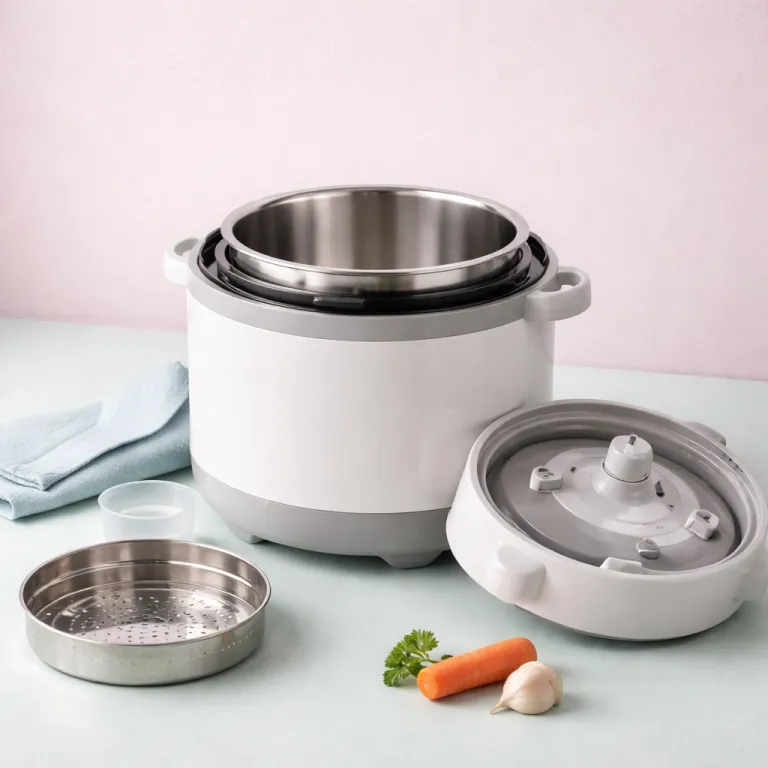

Start with the right electric pressure cooker for your kitchen
Learning how to use an electric pressure cooker starts with buying the right machine. Before you think about pressure, recipes, or cooking times, ask three blunt questions about your own kitchen habits and not about marketing claims. How many people do you usually cook for, which functions will you truly use, and what budget feels realistic for a pot electric appliance that should work hard several nights a week.
For most first time buyers, a 6 litre cooker hits the sweet spot between capacity and counter space. A 6 litre electric pressure cooker comfortably handles 1 kilogram of chicken, a full batch of beans, or enough rice for a family of four, while still letting you cook smaller recipes without wasting time or energy. Larger 8 litre cookers make sense only if you routinely cook for six or more people or want big batch cooker recipes for freezing.
Next, decide which functions matter for your pressure cooking style and which you can skip without guilt. You need a reliable saute button for browning food in the inner pot, a clear pressure release system, and a lock lid mechanism that feels solid every time you close it. You do not need fifteen presets, WiFi, or a built in recipe library that will age badly while basic cooking times for rice, chicken, and green beans never go out of date.
Budget wise, entry level electric cookers around 50 dollars from brands like COMFEE or Midea will handle basic pressure cooking but often cut corners on interface clarity and inner pot quality. The best value tier between 80 and 120 dollars, including models like the Instant Pot Duo and COSORI 9 in 1 cookers, gives you safer pressure cookers, better stainless steel pots, and more consistent cooker pressure control. Premium machines from Breville or Ninja can cost over 150 dollars, but unless you cook daily and push advanced recipes, the mid range usually offers the best balance of cooking performance and price.
Features that actually matter when you learn how to use an electric pressure cooker
Once you know your size and budget, focus on the handful of features that change how you cook, not the flashy extras. The inner pot material is the first big decision, because it affects how food browns, how easy it is to stir, and how long the pot survives regular pressure cooking. Stainless steel inner pots, like those in the Instant Pot Duo, resist scratching, tolerate metal utensils, and handle high cooker pressure without warping.
Nonstick pots feel easier at first because food sticks less when you cook rice or chicken, but the coating can degrade over time, especially if you stir with metal spoons or scrub aggressively. If you choose nonstick, treat the pot gently and expect to replace it sooner than a stainless steel inner pot, which can last for many years of daily electric pressure use. For most home cooks, stainless steel wins on durability and safety, even if it demands a bit more oil and attention to cooking time and stirring technique.
Safety features deserve more attention than any built in recipe program. Look for a clearly labelled release valve, a lid that shows when cooker pressure is still high, and a lock lid system that physically prevents opening until you safely release pressure. Modern pressure cookers include multiple backups, but you still want an intuitive pressure release lever and clear icons so you never guess whether to use quick release or natural release for a given recipe.
Interface design also shapes how easy it feels to learn how to use an electric pressure cooker. A simple panel with a manual pressure cooking button, a saute button, and a few well chosen presets beats a cluttered screen with tiny icons and dozens of modes. When you compare top programmable electric pressure cookers in any buying guide, pay more attention to how quickly you can set minutes and cooking times than to how many instant presets the brand advertises.
Step by step: how to use an electric pressure cooker safely on day one
Before you cook your first real recipe, run a water test to get comfortable with the cooker pressure cycle. Place the inner pot in the base, pour in about 1 litre of water, close the lid, and lock lid firmly until you hear or feel the click. Set the machine to high pressure cooking for 5 minutes, then watch how long it takes to come to pressure, how steam escapes from the release valve, and how the pressure release options work at the end.
When the timer beeps after those minutes, practice both quick release and natural release so you understand the difference. For quick release, carefully turn the pressure release knob or lever to venting, keeping your hand and face away from the steam jet while the cooker releases pressure in a strong burst. For natural release, do nothing and let cooker pressure drop on its own, which can take 10 to 20 minutes depending on the food and total cooking time.
Always check that the float pin or pressure indicator has dropped fully before you attempt to open the lid. Turn the lid slowly away from you so any remaining steam moves in the opposite direction, then lift it straight up and tilt it to avoid dripping hot water back onto your food. This simple ritual builds muscle memory and makes every later recipe, from rice to chicken tacos, feel routine instead of risky.
Once you trust the basics, start with a forgiving dish that shows off how to use an electric pressure cooker for weeknight speed. A great first project is a batch of shredded chicken tacos, using a tested 8 minute chicken taco pressure cooker recipe that walks you through sauteing, sealing, and shredding. After one or two easy cooker recipes like this, you will stop worrying about the electric pressure mechanics and start thinking about flavour, texture, and how much time you just saved.
Beginner friendly pressure cooker recipes that build real confidence
Early wins matter when you are learning any new cooking tool, and an electric pressure cooker is no exception. Choose recipes with simple ingredients, short cooking times, and wide doneness windows so a few extra minutes of pressure will not ruin your food. Think of these as training wheels recipes that teach you how to use an electric pressure cooker while still putting dinner on the table.
Start with plain rice in the inner pot, because it teaches you how water ratios, pressure, and natural release interact. Rinse 2 cups of rice, add 2 cups of water and a pinch of salt, then lock lid and set high pressure for 4 minutes, followed by 10 minutes of natural release before you release pressure fully. If the rice feels too firm, add a splash of water, stir gently, and note that your cooker might need 1 extra minute next time, since cooking times vary slightly between models.
Next, move to green beans or mixed vegetables, which show how fast pressure cookers can work. Place trimmed green beans on the steaming rack above 250 millilitres of water, lock lid, and set 1 minute at high pressure followed by quick release for crisp tender results. If you prefer softer beans, extend the cooking time to 2 minutes or let them sit for a short natural release before you open the cooker.
Once you trust your timing, try a simple chicken and beans stew that uses the saute button to build flavour. Brown chicken pieces in a bit of oil directly in the inner pot, stir in onions, garlic, spices, and soaked beans, then add enough stock to barely cover before you lock lid and cook at high pressure for around 15 to 20 minutes. This kind of forgiving recipe teaches layering, deglazing, and pressure release choices without punishing small timing mistakes.
Real world cooking times, pressure release choices, and common mistakes
Printed manuals often list idealised cooking times, but real kitchens are messier, and that is where your judgment matters. When you learn how to use an electric pressure cooker, think of every time and every recipe as a starting point, then adjust based on your own ingredients and preferences. Dried beans that are older, larger chicken thighs, or densely packed food in the pot will all need extra minutes under pressure.
As a rule of thumb, use natural release for starchy foods like beans and rice, and quick release for delicate vegetables and thin cuts of meat. Natural release lets the cooker pressure fall slowly, which keeps foamy foods from clogging the release valve and helps grains finish cooking gently in the residual heat. Quick release works best when you want to stop the cooking time immediately, such as for green beans, broccoli, or chicken breasts that dry out easily.
One of the most common beginner mistakes is overcrowding the inner pot, which slows pressure build up and leads to uneven cooking. Aim to fill the pot no more than two thirds full for most recipes, and only half full for foods that expand, such as rice or beans, to keep cooker pressure stable. Another frequent error is forgetting to stir and scrape the bottom after sauteing, which can trigger burn warnings and prevent the cooker from reaching full pressure.
Pay attention to how long your specific electric pressure cooker takes to reach pressure and to release pressure, because those minutes count toward total cooking times. A recipe that lists 8 minutes at high pressure might actually take 25 minutes from pressing start to serving, once you include preheating and natural release. Once you internalise this rhythm, you can plan side dishes, like a slow simmered style pasta sauce in a separate appliance, using a rich crockpot spaghetti method that complements your pressure cooked mains.
Buying smart, avoiding hype, and making your cooker earn its space
Shopping platforms show hundreds of pressure cookers, but most of them are minor variations on a few core designs. To cut through the noise, remember that more presets do not mean better food, and that a clear interface plus a durable inner pot matter more than any instant pot style marketing slogan. Consumer Reports and several independent kitchen review sites consistently find that mid range models with fewer, well tuned programs outperform feature stuffed machines in everyday cooking.
When you read online reviews, watch for patterns rather than star ratings alone. Repeated complaints about flimsy lids, confusing pressure release controls, or peeling nonstick coatings should outweigh a handful of glowing comments about fast cooking time or attractive colours. Be wary of listings with thousands of near identical five star reviews posted in a short time frame, which can signal inflated feedback rather than genuine long term cooker use.
For most first time buyers, a 6 litre Instant Pot Duo or a similar COSORI multi cooker offers the best balance of price, safety, and performance. These machines provide reliable electric pressure control, a strong saute button, and straightforward lock lid mechanisms without burying you in unnecessary modes. If you cook for a couple or a small family and want dependable pressure cooking for rice, beans, chicken, and simple one pot recipes, this tier is where your money works hardest.
Premium models from Breville or Ninja add finer control over cooker pressure levels, more precise temperature steps, and sometimes air frying or crisping lids. Those extras can be useful if you cook daily, experiment with advanced recipes, or care deeply about interface polish, but they are not required to learn how to use an electric pressure cooker well. In the end, what matters is not the feature count but how often your cooker helps you put real food on the table on a busy Tuesday night.
One simple chicken taco recipe to master your new pressure cooker
After unboxing, you need one reliable recipe that proves your new cooker can turn raw ingredients into dinner with minimal fuss. Shredded chicken tacos are ideal because they use the saute button, high pressure cooking, and a controlled quick release, all in under an hour of total time. This kind of recipe shows you how to use an electric pressure cooker for both flavour building and speed, without demanding advanced knife skills or obscure spices.
Start by patting dry about 1 kilogram of boneless chicken thighs and seasoning them with salt, pepper, and a simple spice mix. Use the saute button to heat a spoonful of oil in the inner pot, then brown the chicken in batches so you do not overcrowd the pot and lose that crucial fond on the bottom. Remove the chicken, stir in chopped onions and garlic, and cook until softened, scraping up browned bits to prevent burn warnings once you switch to pressure cooking.
Return the chicken to the pot, add a cup of stock and a splash of tomato sauce, then lock lid and set the cooker to high pressure for around 8 minutes. When the timer ends, use quick release to stop the cooking time immediately, then open the lid and shred the chicken directly in the pot with two forks. Taste and adjust seasoning, then serve the meat in warm tortillas with any toppings you like, knowing you can repeat this pressure cooker recipe on autopilot whenever you need a fast dinner.
If you want a fully detailed version with exact measurements and timing notes, follow a dedicated 8 minute chicken tacos in the pressure cooker guide from a trusted pressure cooking site. Once you have cooked this recipe a few times, you can adapt the method for other proteins, beans, or vegetables, changing spices while keeping the same basic pressure and release pattern. That is the moment your electric pressure cooker stops feeling like a gadget and starts feeling like a weeknight workhorse.
Key figures and practical statistics for electric pressure cooking
- Most households find that a 6 litre electric pressure cooker suits daily cooking for three to five people, while larger 8 litre models mainly benefit those who batch cook or host frequently, according to multiple appliance sales analyses.
- Independent testing by Consumer Reports has shown that stainless steel inner pots resist scratching significantly better than nonstick coatings over months of regular use, which supports choosing stainless steel for long term durability.
- Typical preheating times for modern pressure cookers range from 8 to 15 minutes before reaching full pressure, meaning that a recipe listed as 10 minutes at high pressure often takes closer to 25 minutes from start to finish.
- Energy consumption studies on multi cookers indicate that pressure cooking can use up to 70 percent less energy than equivalent oven braising for dishes like stews and beans, which makes frequent use both time efficient and cost effective.
- Consumer surveys of multi cooker owners consistently report that rice, chicken, beans, and simple one pot meals make up the majority of pressure cooker recipes cooked at home, reinforcing the value of mastering a few core dishes first.
FAQ
How safe are modern electric pressure cookers for beginners ?
Modern electric pressure cookers include multiple safety systems, such as automatic temperature control, locking lids, and pressure release valves that prevent opening while the cooker is pressurised. As long as you follow the manual, avoid overfilling the inner pot, and keep the release valve clean, the risk of accidents is extremely low. For beginners, the key habits are always adding enough liquid, checking the sealing ring, and keeping hands away from the steam jet during quick release.
Should I choose a stainless steel or nonstick inner pot ?
Stainless steel inner pots are more durable, tolerate metal utensils, and handle high heat better, which makes them ideal for frequent sauteing and deglazing. Nonstick pots are easier to clean and reduce sticking with foods like rice, but their coatings can scratch or wear over time, especially with rough scrubbing. If you plan to use your cooker several times a week, stainless steel usually offers better long term value and more reliable performance.
Why is my pressure cooker taking so long to come to pressure ?
The time needed to reach pressure depends on how much food and liquid are in the pot, the starting temperature of the ingredients, and the power of your electric cooker. Very full pots, frozen ingredients, or thick sauces can all slow preheating and delay the moment when the timer starts counting down. To speed things up, avoid overfilling, use hot liquids when appropriate, and make sure the sealing ring and lid are properly positioned so steam does not escape.
When should I use quick release versus natural release ?
Use quick release when you want to stop cooking immediately, such as for vegetables, seafood, or thin cuts of meat that can overcook easily. Natural release works better for starchy foods like rice and beans, large roasts, and soups, because it lets pressure fall gradually and reduces splattering through the valve. Many recipes combine both methods, recommending a short natural release followed by quick release to balance texture and total cooking time.
Can I cook frozen meat in an electric pressure cooker ?
You can safely cook frozen meat in an electric pressure cooker as long as you add enough liquid and extend the cooking time to account for the colder starting temperature. The cooker will take longer to reach pressure, and you should avoid very thick, solidly frozen roasts that might cook unevenly in the centre. For best texture and more predictable results, many experienced cooks prefer to partially thaw meat before pressure cooking, especially for delicate cuts like chicken breasts.