Best 6 quart electric pressure cookers: top 6 models and buying guide
Key features that define the best 6 quart electric pressure cookers
When you compare 6 quart electric pressure cookers, start with the construction of the inner pot. A high quality stainless steel pot with a thick base distributes heat evenly, resists scratching from metal utensils, and avoids the peeling risk of low grade nonstick coatings. Look for clear volume markings inside the cooker pot, because accurate filling lines are crucial for safe pressure cooking.
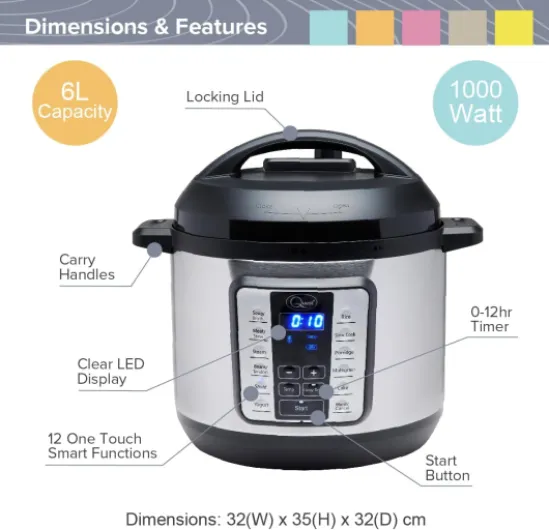
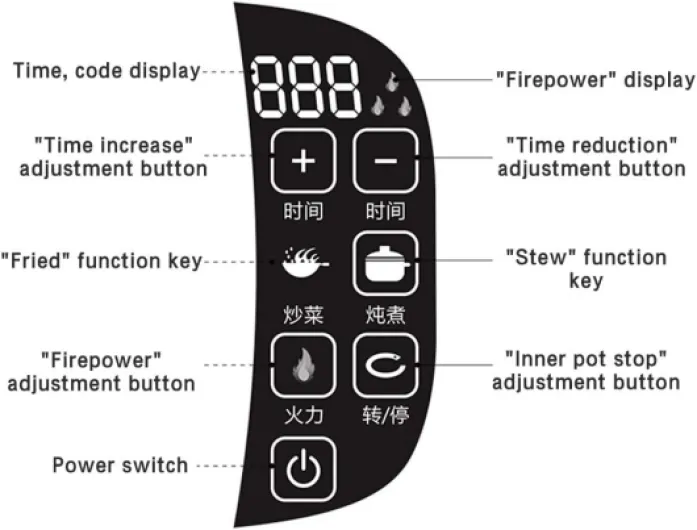
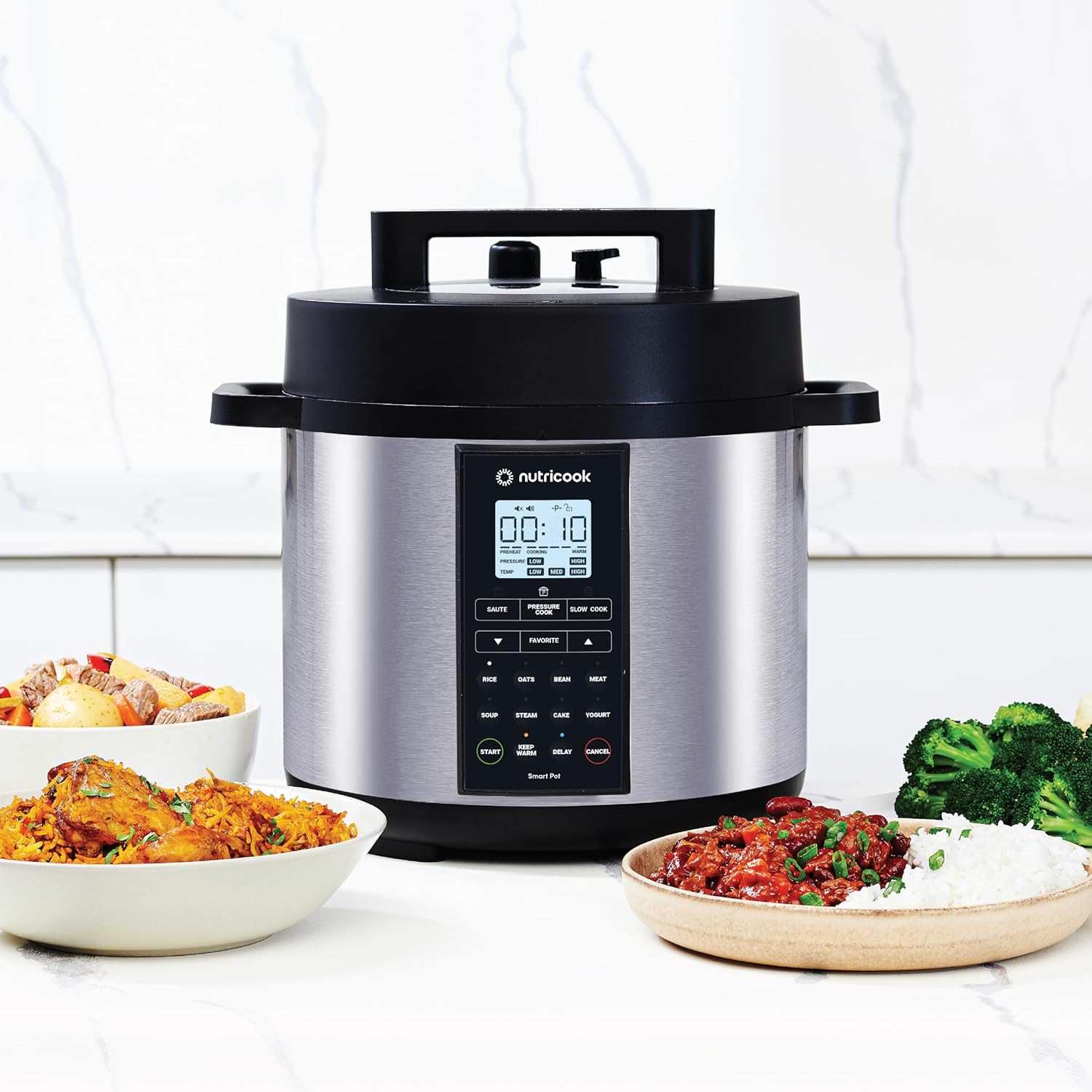
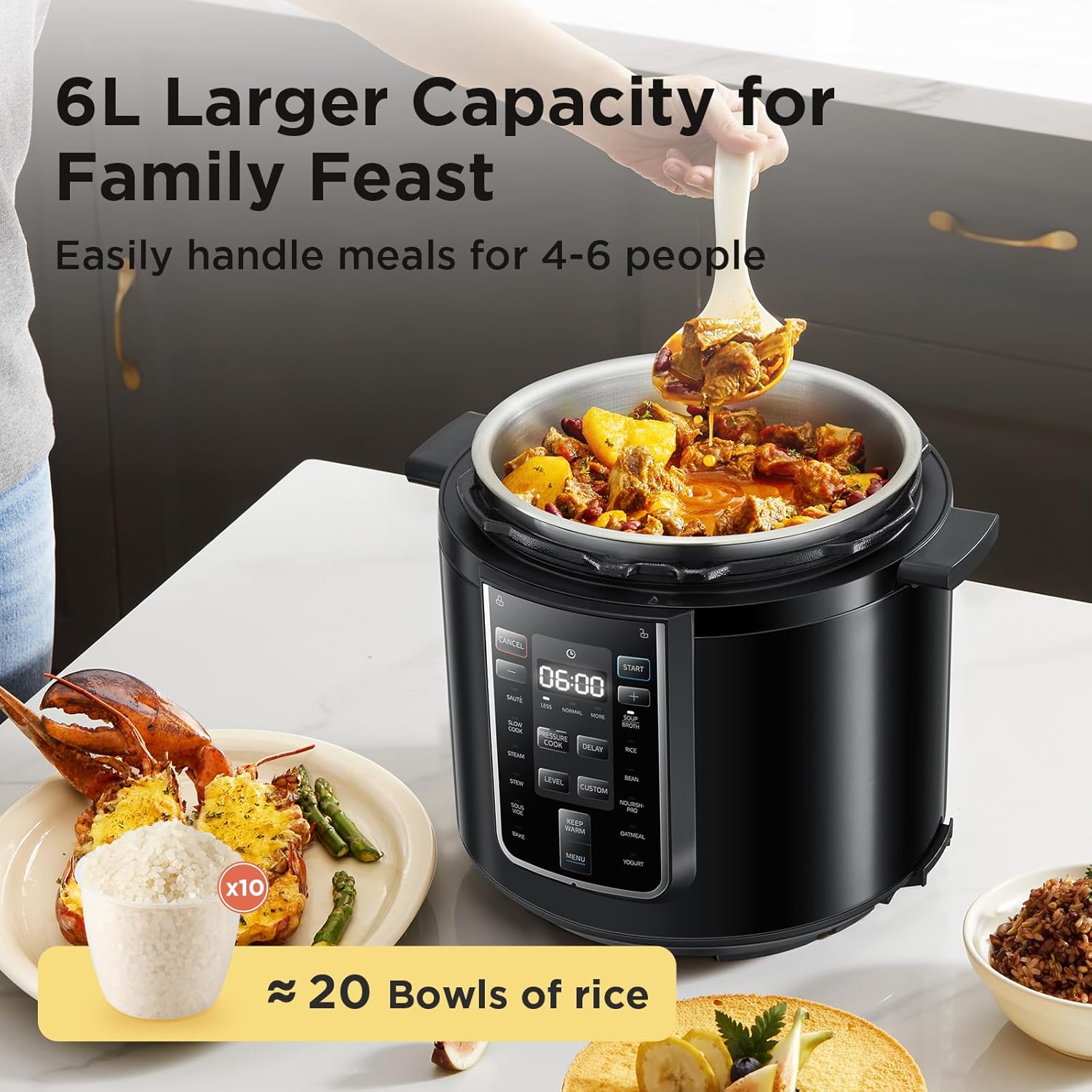
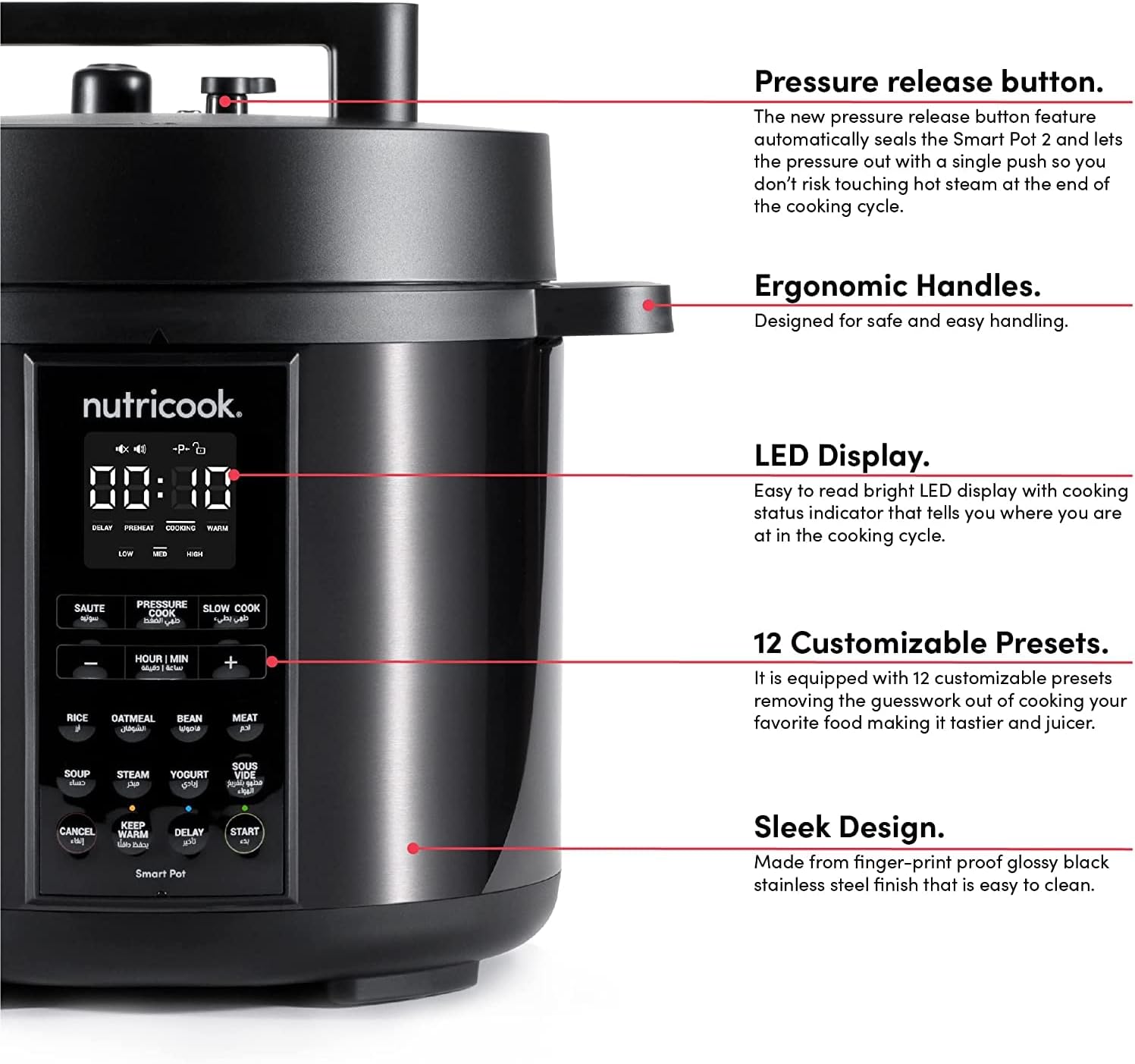
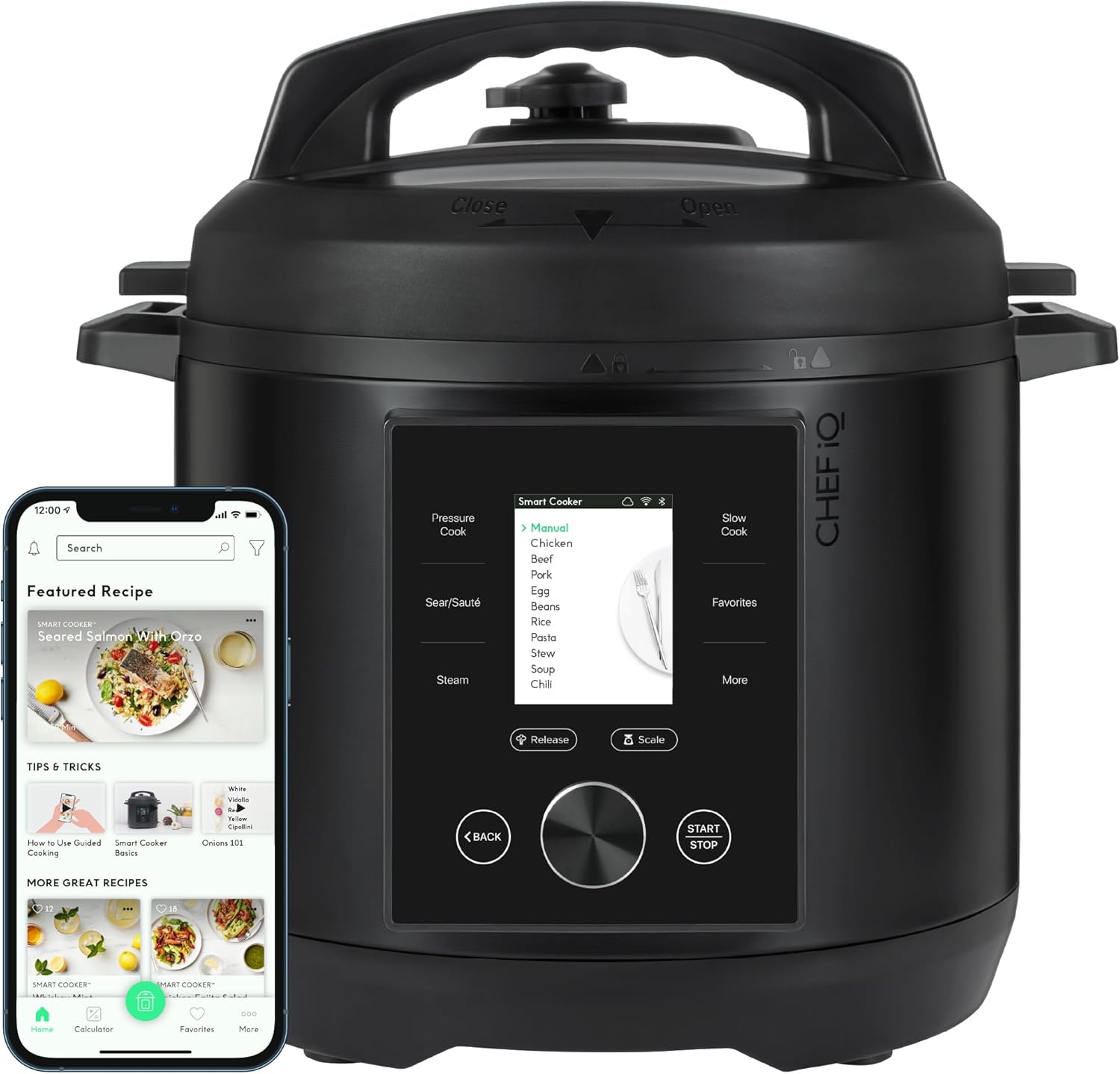
Next, examine the control panel and preset cooking functions, since these determine how easy the cooker feels in daily use. The best models offer separate buttons for pressure cook, slow cook, steam, saute, and keep warm, along with clear indicators for high and low pressure. Some advanced multi cooker designs add programs for rice, beans, sous vide, and yogurt, which can simplify recipes for less experienced cooks.
Safety features deserve close attention, especially if this is your first pressure cooker. A reliable lid locking mechanism, an intuitive steam release valve, and automatic temperature cutoffs work together to manage internal pressure. Modern electric pressure cookers also monitor lid position and sealing ring placement, refusing to start pressure cooking if the cooker senses a problem.
Interface, presets, and real world usability
On a practical level, the interface of a 6 quart instant pot style cooker often matters more than its maximum pressure rating. A clear display that shows remaining cook time, pressure status, and whether the cooker is preheating reduces guesswork and frustration. Backlit buttons and logical grouping of cooking functions help when you are tired and just want dinner ready.
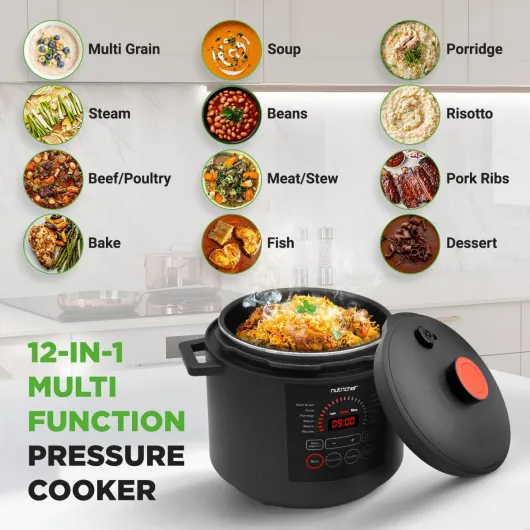
Preset programs for rice, beans, soup, and meat can be helpful, but only if they are easy to adjust. The best 6 quart electric pressure cookers let you change time, pressure level, and keep warm settings without cancelling the whole program. This flexibility matters when you switch from a small batch in the pot duo style cooker to a fuller load that needs a few extra minutes.
Usability also includes how simple it is to clean the cooker lid, the steam release components, and the stainless steel inner pot. Removable parts that go into the dishwasher, including the sealing ring and steam cap, encourage regular maintenance and prevent lingering odours. When cleaning is easy, you are more likely to use pressure cook, slow cook, and saute functions several times a week.
Materials, build quality, and safety in 6 quart models
Material choice directly affects durability, safety, and flavour in any pressure cooker. A brushed stainless steel housing resists stains and fingerprints better than painted plastic, while a robust stainless steel inner pot tolerates high heat from saute and browning. Cheaper cookers may use thin steel that warps slightly over time, which can affect how evenly the pot heats.
Inside the lid, the sealing ring and steam release assembly form the heart of the pressure system. Silicone rings usually last longer than rubber and handle repeated pressure cooking cycles without cracking, though they can absorb strong aromas from spices. Many users keep two sealing rings, one for savoury dishes and one for neutral or sweet recipes like yogurt or rice pudding.
Safety features in modern electric pressure cookers are layered rather than singular. Sensors monitor temperature, pressure, and lid position, while mechanical valves manage excess steam if electronic controls fail. This redundancy means that a 6 quart multi cooker can safely pressure cook beans, grains, and meats with minimal risk when used according to the manual.
How safety systems work during pressure cooking
During a typical pressure cook cycle, the cooker heats the inner pot until water turns to steam and pressure builds. Once the target pressure is reached, the controller reduces power to maintain a steady level, and the timer begins counting down the programmed cook time. If pressure rises too high, a dedicated valve vents steam, while a backup fuse cuts power if temperatures exceed safe limits.
When cooking ends, you choose between natural release and quick steam release, depending on the recipe and texture you want. Natural release lets pressure drop slowly as the cooker cools, which suits large cuts of meat and broths that can foam, while quick release uses the steam valve to vent pressure rapidly. The best 6 quart electric pressure cookers shield your hand from hot steam and angle the jet away from cabinets, reducing the chance of burns.
For slow cook and sous vide programs, the cooker operates at lower temperatures but still relies on accurate sensors. Gentle heat control prevents overcooking delicate proteins and keeps yogurt cultures within a narrow temperature band for safe fermentation. Across all these modes, the combination of stainless steel construction and intelligent electronics supports both safety and consistent results.
Comparing popular 6 quart electric pressure cooker models
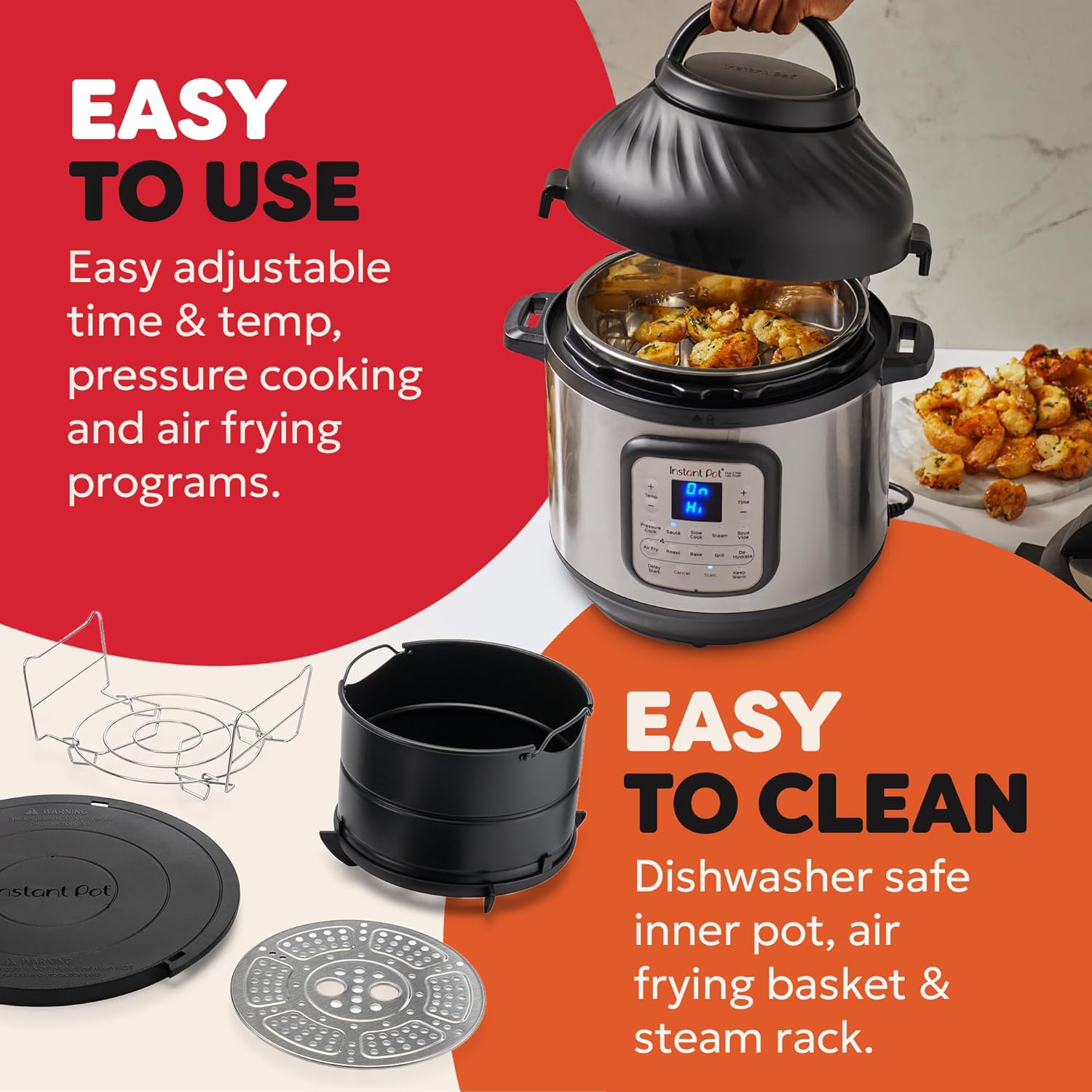
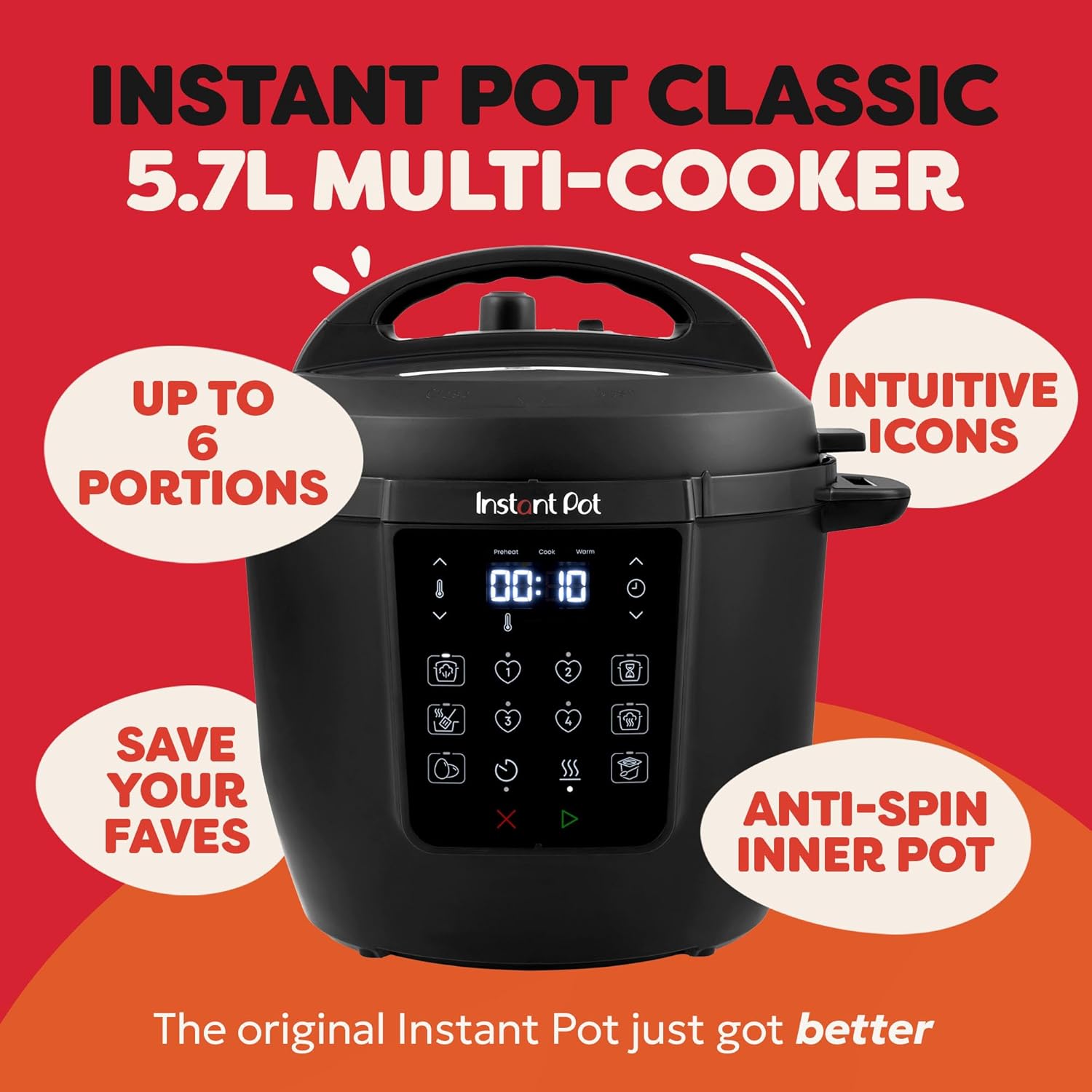
In the 6 quart category, certain models have become reference points for performance and reliability. The Instant Pot Duo 6 quart, for example, combines pressure cook, slow cook, steam, saute, rice, and yogurt programs in one compact multi cooker. Its stainless steel inner pot and straightforward controls make it a common first choice for people upgrading from a basic slow cooker.
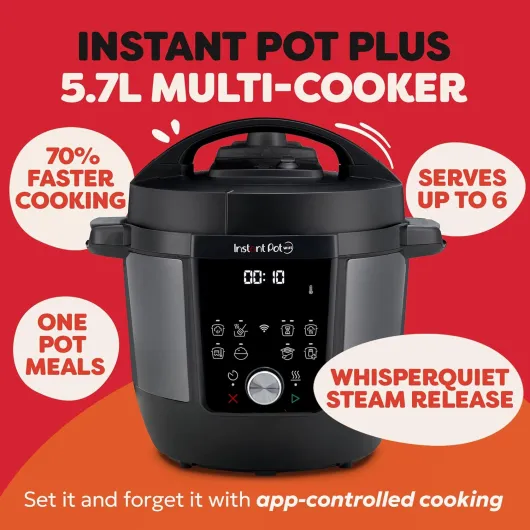
More advanced lines, such as the Instant Pot Pro 6 quart, add higher wattage heating elements, improved pot style handles, and more precise temperature control for sous vide and saute. These models often feature a thicker stainless steel pot base, which improves browning and reduces hot spots during cooking. They also refine steam release mechanisms, sometimes offering quieter or guided venting options that feel less intimidating for new users.
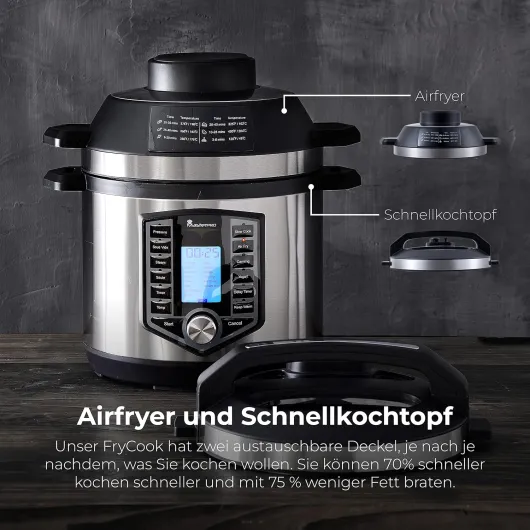
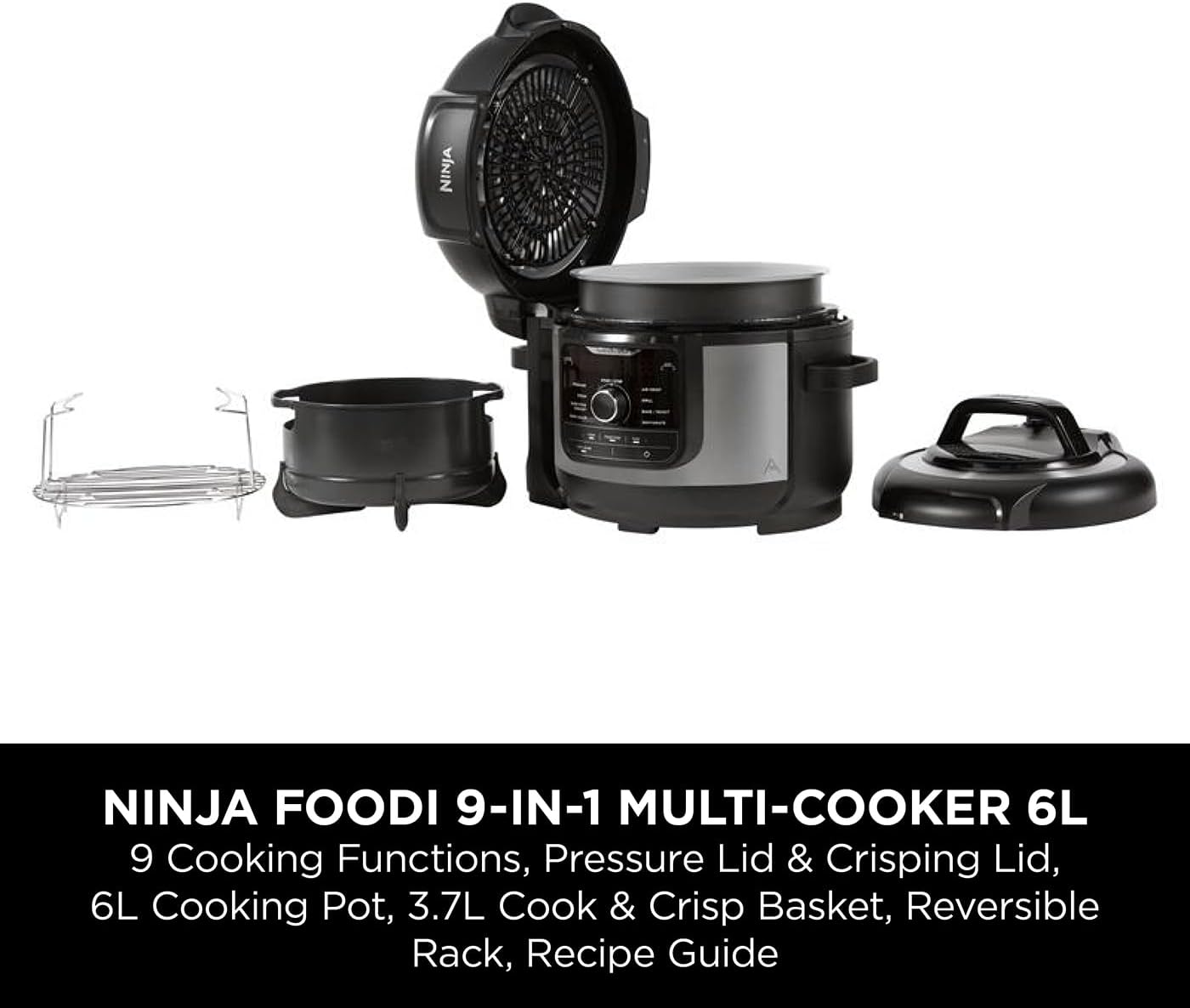
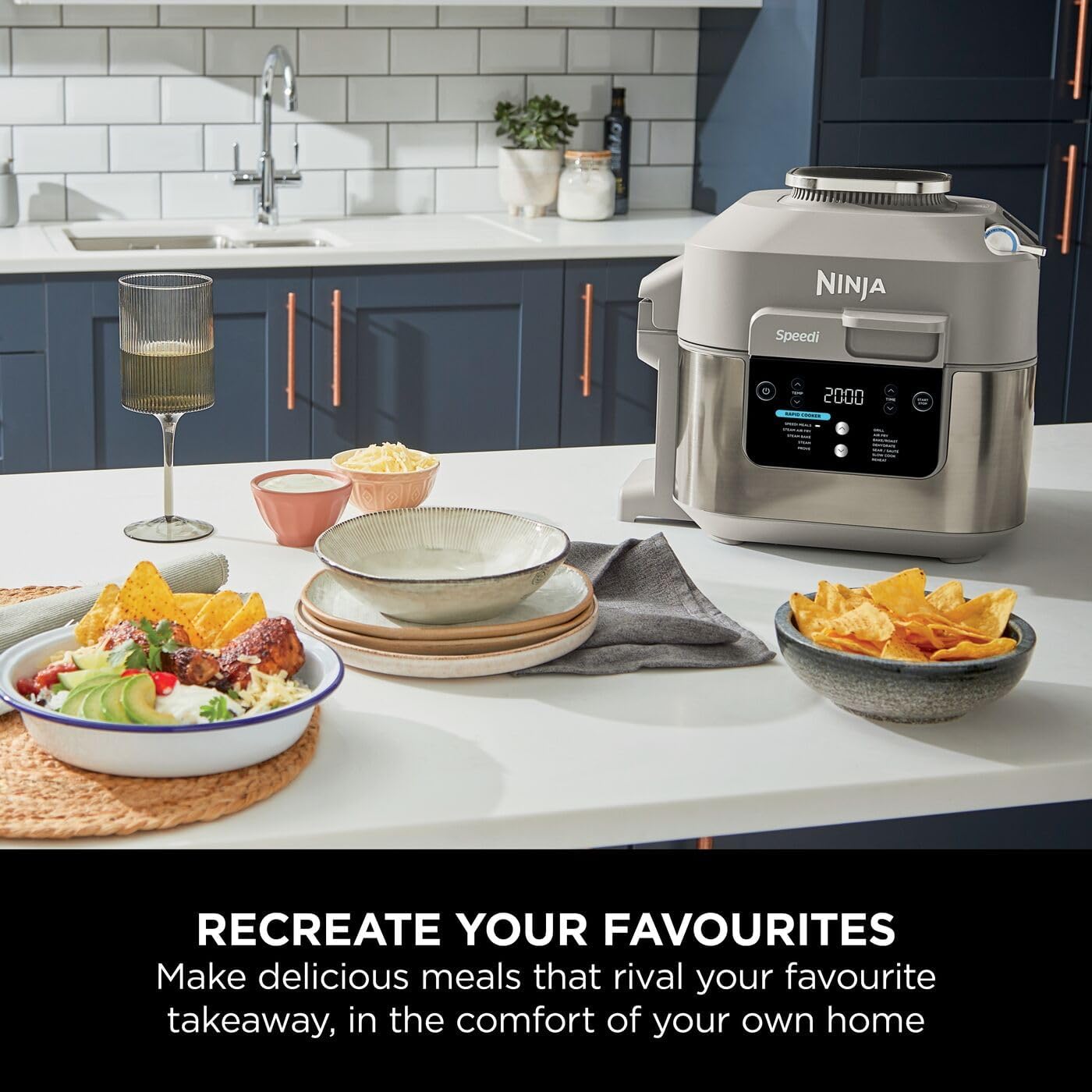
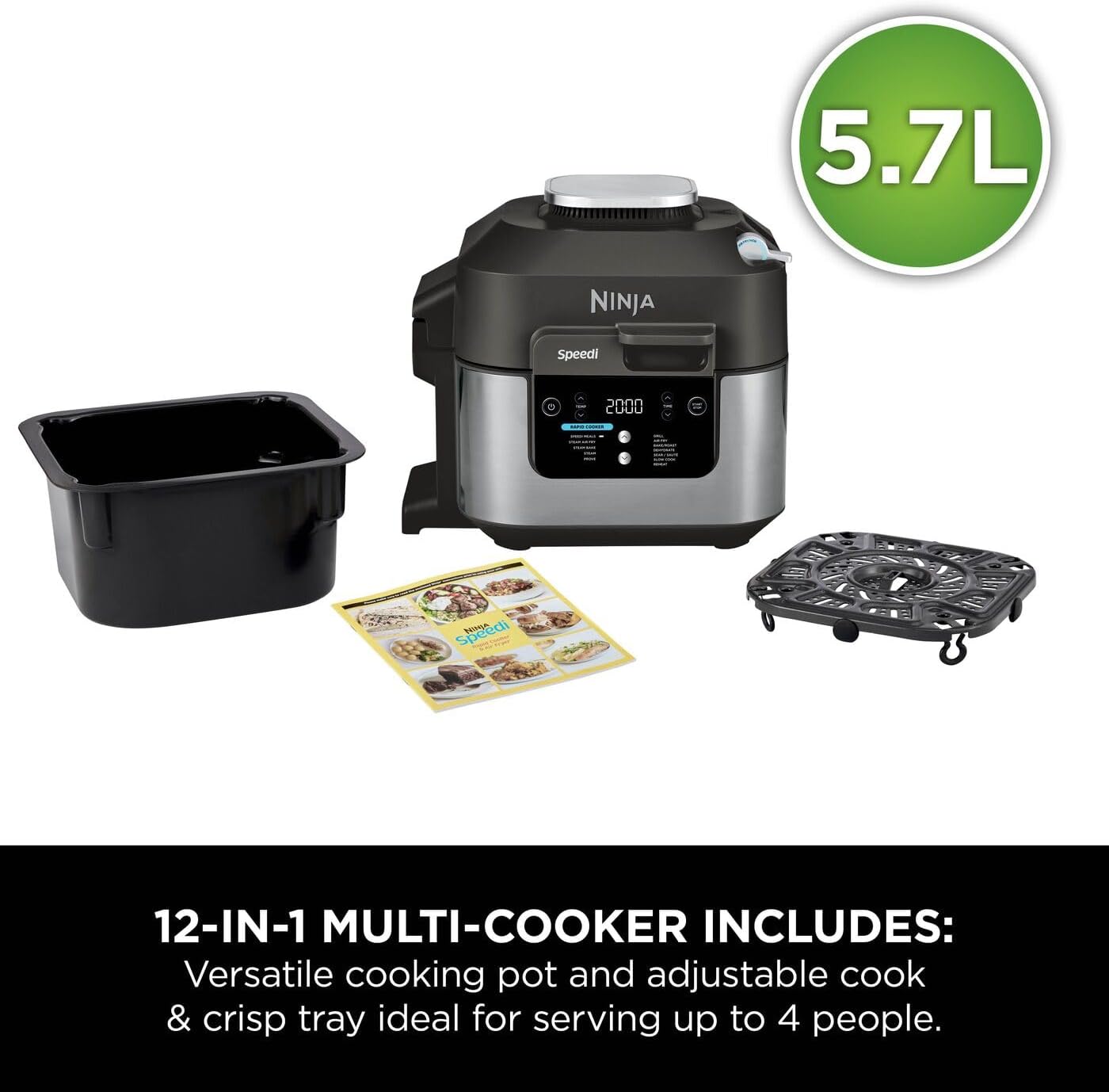
Outside the Instant brand, other electric pressure cookers from companies like Ninja, Philips, and Tefal compete strongly in this quart size. Some models emphasize air frying lids or crisping functions, while others focus on robust slow cook performance and intuitive dials instead of touch panels. When comparing, pay attention not only to headline pressure levels but also to how each cooker handles everyday tasks like rice, beans, and quick weeknight stews.
How to read specifications and real user feedback
Specification sheets for 6 quart electric pressure cookers can look similar, yet small differences matter. A slightly higher wattage can shorten preheat time, while a better insulated housing may keep the exterior cooler during pressure cooking. The thickness of the stainless steel inner pot, though rarely highlighted, often influences how well the cooker saute onions or sears meat.
User reviews on large retailers such as Amazon provide context that raw numbers cannot. Look for patterns in comments about steam release behaviour, ease of cleaning, and the reliability of sealing ring performance over months of use. Consistent praise or criticism about specific cooking functions, like slow cook or sous vide, usually signals real strengths or weaknesses in a model.
When you evaluate feedback, focus on how people actually cook rather than isolated complaints. A model that excels at pressure cook programs for beans and stews may be less ideal if you mainly want a cooker slow enough for all day braises. Matching your habits to the strengths of each cooker ensures that the best 6 quart electric pressure cookers on paper also become the best fit in your kitchen.
Practical buying guide for the best 6 quart electric pressure cookers
Before choosing a 6 quart electric pressure cooker, clarify how you like to cook. If you often prepare legumes, whole grains, and tough cuts of meat, prioritize strong pressure cook performance and reliable steam release controls. For people who prefer set and forget meals, a robust slow cook mode and clear timer display may matter more than advanced sous vide options.
Budget plays a role, but the price gap between entry level and premium 6 quart models is often smaller than the value of daily reliability. Spending slightly more for a cooker with a thick stainless steel inner pot, sturdy handles, and proven safety features usually pays off over years of use. Consider the cost of accessories as well, including spare sealing rings, extra inner pots, and compatible steamer baskets.
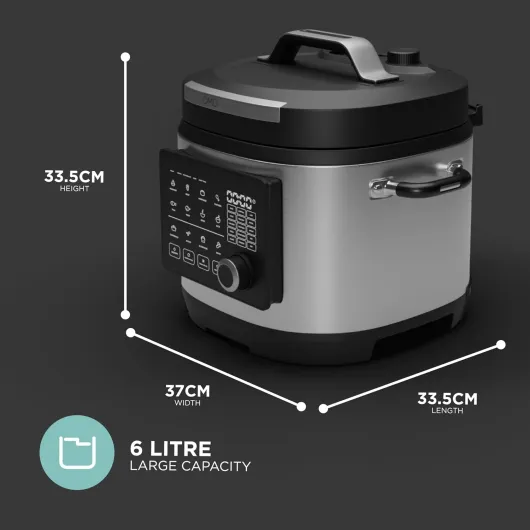
Kitchen space and storage also influence the right choice. A tall, narrow cooker might fit better under low cabinets, while a wider model with side handles can be easier to lift when the pot is full. If you plan to leave the multi cooker on the counter, choose a design whose controls, lid, and steam vent align comfortably with your usual cooking area.
Checklist of essential and optional features
At a minimum, the best 6 quart electric pressure cookers should offer high and low pressure settings, separate buttons for pressure cook and slow cook, and a stainless steel inner pot. A clear steam release lever, audible alerts, and automatic keep warm mode round out the essential safety and convenience features. These basics ensure that the cooker can handle everyday tasks from rice to stews without constant supervision.
Optional but valuable additions include a sous vide program, customizable saute temperature levels, and presets for yogurt or porridge. Some pot duo style models also provide lid holders built into the side handles, which keep condensation off your counter when you open the cooker. Extra gaskets, a trivet, and a steaming rack in the box reduce the need for immediate accessory purchases.
Finally, check warranty terms and the availability of replacement parts such as sealing rings, inner pots, and steam valves. Established brands with strong support networks make it easier to maintain your cooker over time, especially if you use pressure cooking several times a week. A well supported 6 quart electric pressure cooker can remain a central tool in your kitchen long after trendier gadgets fade.
Using, maintaining, and getting the most from your 6 quart cooker
Once you bring a 6 quart electric pressure cooker home, a short learning phase pays long term dividends. Start with simple recipes that use basic pressure cook programs, such as lentil soup or plain rice, to understand how the cooker reaches pressure and releases steam. As you gain confidence, you can layer in more complex cooking functions like saute, slow cook, and sous vide.
Routine maintenance keeps performance consistent and preserves safety margins. After each use, remove the sealing ring, wash the lid thoroughly, and check that the steam release valve moves freely without residue. Regularly inspect the stainless steel inner pot for mineral buildup, using a mild vinegar solution when necessary to keep the surface smooth and responsive to heat.
To extend versatility, consider keeping a second inner pot for quick recipe changes, such as moving from a savoury stew to a neutral grain dish without washing in between. Extra sealing rings labelled for savoury and sweet preparations help prevent flavour transfer when you make yogurt or desserts. With these small habits, the best 6 quart electric pressure cookers function as true multi cooker systems that adapt to almost any home cooking style.
Everyday tips for better results and fewer hassles
For consistent pressure cooking, respect the minimum and maximum fill lines marked inside the pot. Too little liquid can trigger burn warnings, while too much can interfere with proper steam release and extend the time needed to depressurize. When in doubt, add a small extra amount of water or stock, then reduce the sauce later using the saute function.
Layer ingredients thoughtfully when you cook one pot meals in a 6 quart cooker. Dense items like root vegetables and large meat pieces belong at the bottom of the pot, while delicate vegetables and quick cooking grains sit higher or on a trivet. This arrangement helps everything cook evenly under pressure without turning softer ingredients into mush.
Finally, remember that pressure cook times in recipes usually refer only to the period after full pressure is reached. The total time includes preheating and natural or quick release, so plan accordingly when scheduling dinner. Once you internalize this rhythm, your electric pressure cooker becomes a predictable partner rather than a mysterious sealed pot.
Key figures about 6 quart electric pressure cookers
- Independent lab style tests on common models indicate that electric pressure cookers can reduce cooking time for dried beans by roughly 60 to 70 percent compared with stovetop simmering, which translates into measurable energy savings over a year of frequent use. These findings align with comparative appliance tests reported by major consumer product testing organisations and manufacturer white papers.
- Sales reports and category summaries from large kitchen appliance retailers consistently show that 6 quart models account for a substantial share of multi cooker purchases, suggesting that this capacity best matches the needs of typical households of three to five people. The figures are based on aggregated unit sales data released to manufacturers and industry analysts.
- Studies on home energy use and manufacturer sponsored efficiency trials note that using an insulated electric pressure cooker instead of an electric oven for stews and braises can cut electricity consumption for those dishes by around one third, depending on local tariffs and appliance efficiency. These summaries appear in energy efficiency briefs from national agencies and utility backed research groups.
- Warranty and service providers commonly report that most long term issues in electric pressure cookers involve lid components and sealing rings after extensive use, which underscores the importance of regular inspection and timely replacement of these parts. This pattern appears across anonymised reliability overviews shared with manufacturers, extended warranty firms, and independent repair networks.
Top 6 best 6 quart electric pressure cookers: quick comparison
The models below are frequently recommended in 6 quart pressure cooker reviews and cover a range of budgets and cooking styles. Specifications are typical for current versions; always confirm exact details with the manufacturer before buying.
| Model |
Capacity |
Approx. wattage |
Key functions |
Typical price range |
| Instant Pot Duo 6 Quart |
6 qt |
1000 W |
Pressure cook, slow cook, rice, steam, saute, yogurt |
Entry to mid range |
| Instant Pot Pro 6 Quart |
6 qt |
1200 W |
Advanced saute, sous vide, pressure cook, slow cook, yogurt |
Mid to premium |
| Instant Pot Duo Plus 6 Quart |
6 qt |
1000 W |
Pressure cook, slow cook, rice, yogurt, sterilise, cake |
Mid range |
| Ninja Foodi 6.5 Quart (approx. 6 qt class) |
6.5 qt |
1400 W |
Pressure cook, air crisp, steam, bake/roast, saute |
Mid to premium |
| Philips Viva Collection 6 Quart Multi Cooker |
6 qt |
1000 W |
Pressure cook, slow cook, rice, stew, steam, reheat |
Mid range |
| Tefal Home Chef 6 Quart |
6 qt |
1000 W |
Pressure cook, slow cook, stew, steam, dessert, reheat |
Entry to mid range |
Instant Pot models tend to prioritise broad multi cooker functionality and recipe support, while Ninja leans into air frying and crisping, and Philips and Tefal focus on straightforward presets and durable construction. Your ideal 6 qt multi cooker depends on whether you value advanced control, crisping options, or simple one touch programs most.
- Instant Pot Duo 6 Quart — Pros: excellent value, widely tested recipes, reliable stainless steel pot. Cons: basic interface, fewer advanced temperature controls. Verdict: the best all round starter choice if you want dependable pressure cooking without paying for extras.
- Instant Pot Pro 6 Quart — Pros: stronger heating element, improved handles, better saute and sous vide control. Cons: higher price, slightly steeper learning curve. Verdict: ideal for confident home cooks who care about fast preheating and precise browning.
- Instant Pot Duo Plus 6 Quart — Pros: extra programs like sterilise and cake, upgraded display. Cons: more presets than some cooks will use. Verdict: a smart pick if you like one touch programs and want room to experiment with niche modes.
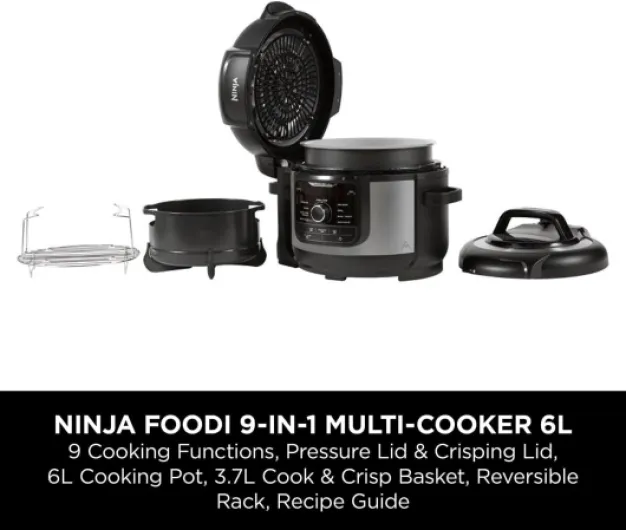
- Ninja Foodi 6.5 Quart — Pros: combines pressure cooking with air frying and crisping in one appliance. Cons: bulkier footprint, higher wattage draw. Verdict: best suited to cooks who want pressure cooked meals with a crisp finish and have counter space to spare.
- Philips Viva Collection 6 Quart — Pros: simple controls, dependable performance for rice and stews. Cons: fewer niche programs, availability varies by region. Verdict: a solid, unfussy option if you mainly cook everyday staples and prefer dial based operation.
- Tefal Home Chef 6 Quart — Pros: sturdy build, clear presets for everyday dishes. Cons: interface can feel less flexible for custom recipes. Verdict: a good everyday cooker for families who rely on preset programs more than manual fine tuning.