Key criteria for choosing the best electric pressure cookers with ceramic coated inner pot
Shoppers comparing models of electric pressure cookers often start with capacity, power, and price. A 5 litre pot suits couples or small families, while larger households may prefer a 6 or 7 litre cooker for batch cooking and weekly meal prep. The best electric pressure cookers with ceramic coated inner pot clearly state usable capacity, because overfilling a pressure cooker can affect safety and performance.
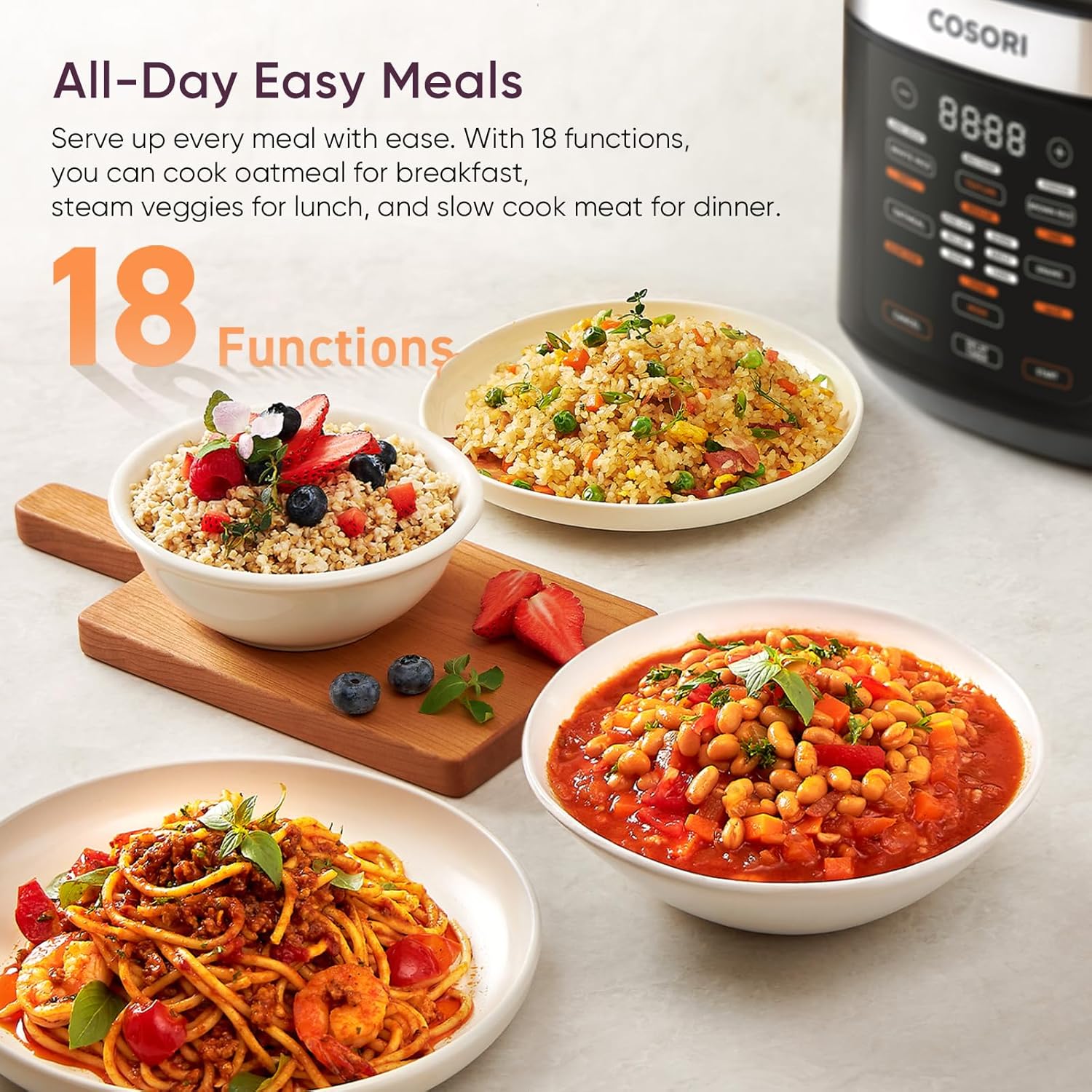
Look closely at the range of cooking functions offered by each multi cooker. Many electric pressure cookers now combine pressure cooking, slow cook programs, rice cooker presets, and even sous vide options in one electric appliance. A versatile cooker steamer mode can handle vegetables, dumplings, and fish, while a dedicated rice function helps prevent mushy grains sticking to the inner pot.
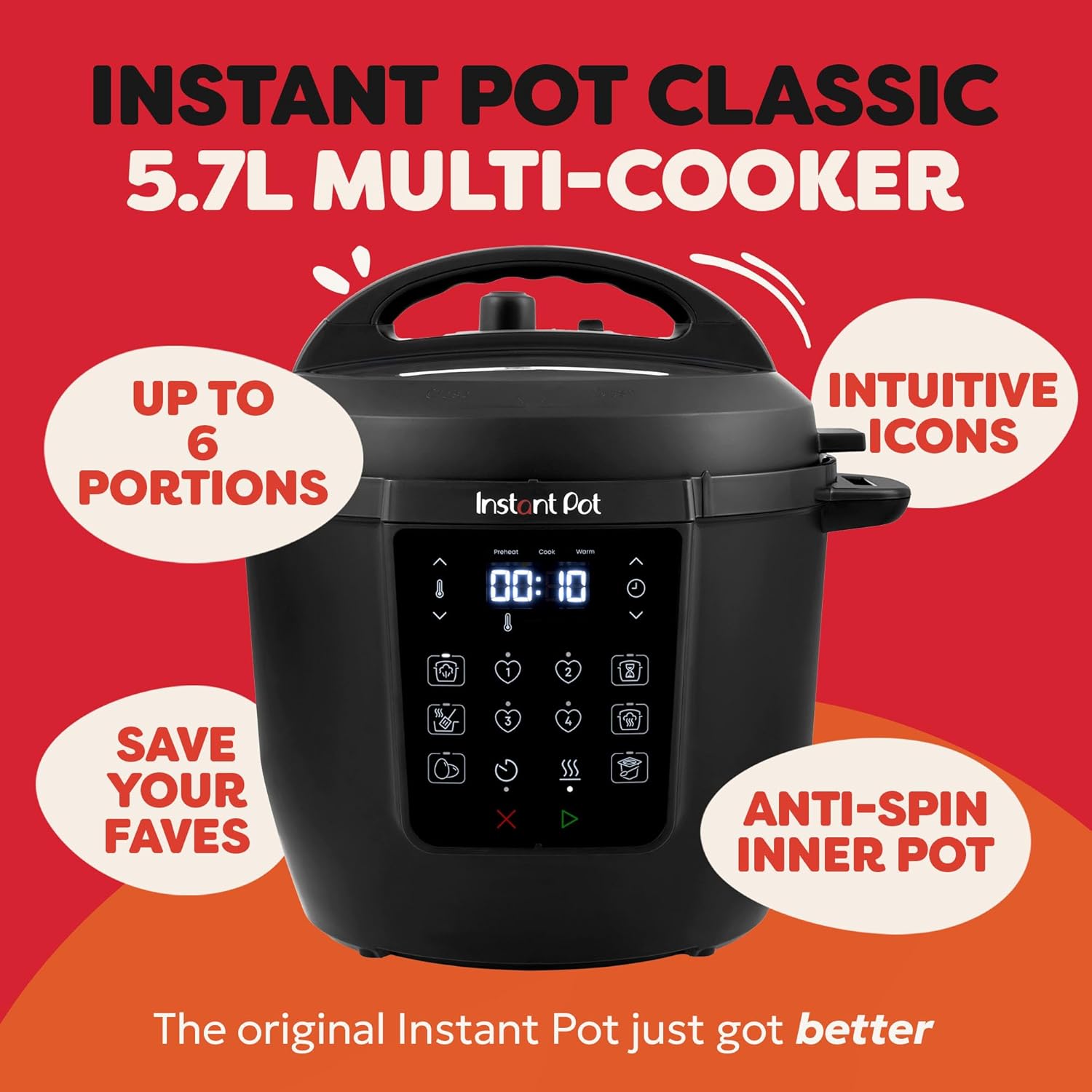
Controls also matter when comparing electric pressure models, especially for people new to pressure cooking. Intuitive buttons for pressure cook, slow cook, and keep warm reduce the learning curve and support consistent results. Some cookers mimic the layout of an instant pot, with clear labels for rice, multi grain, and yogurt, while others focus on manual settings for experienced cooks.
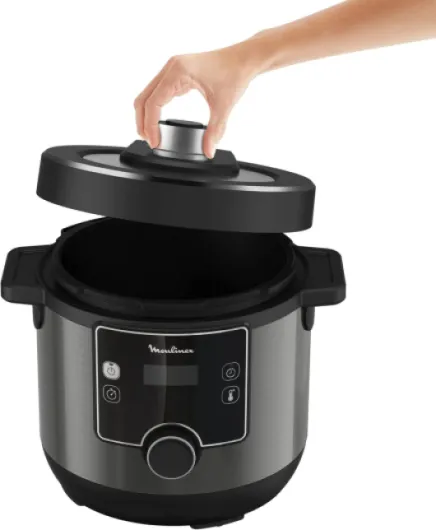
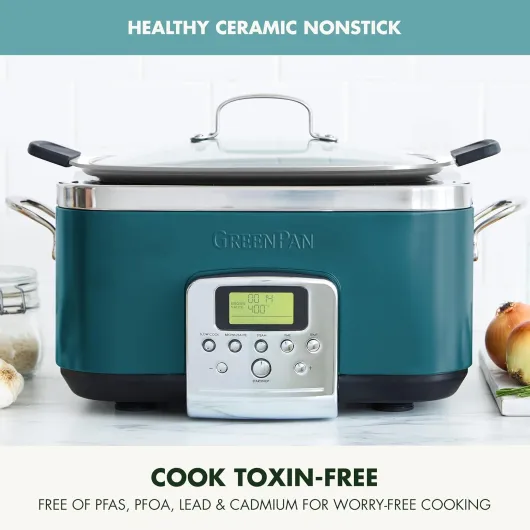
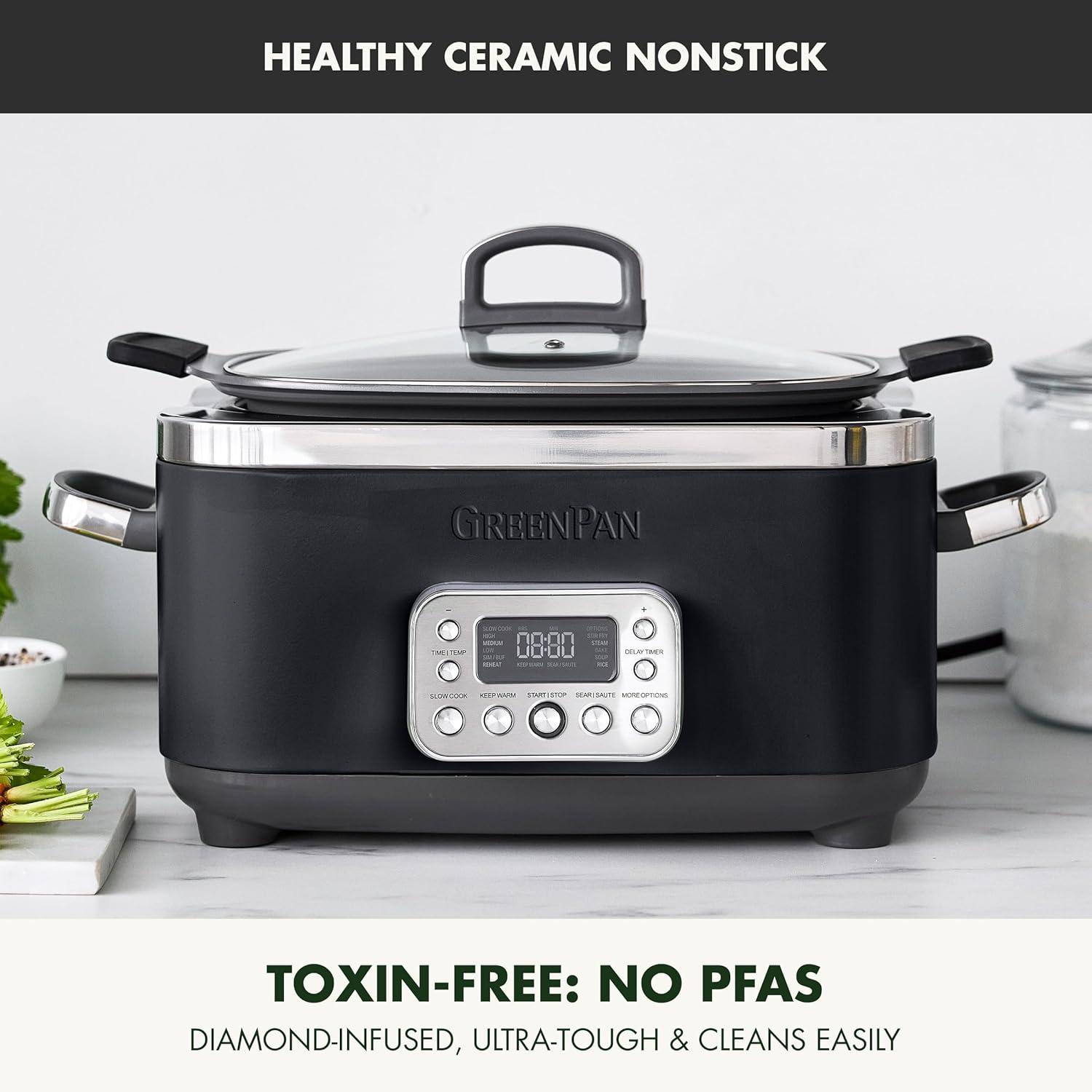
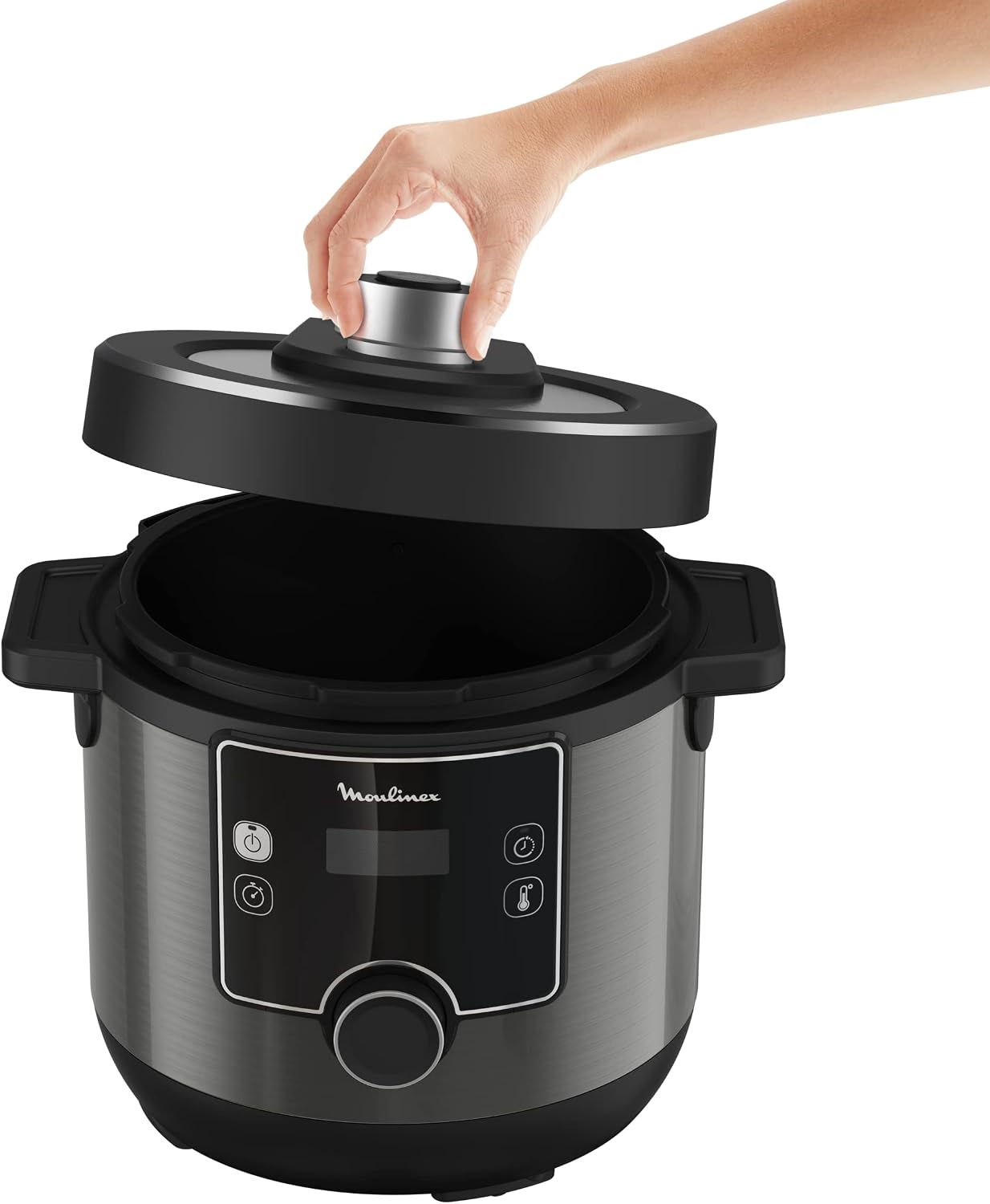
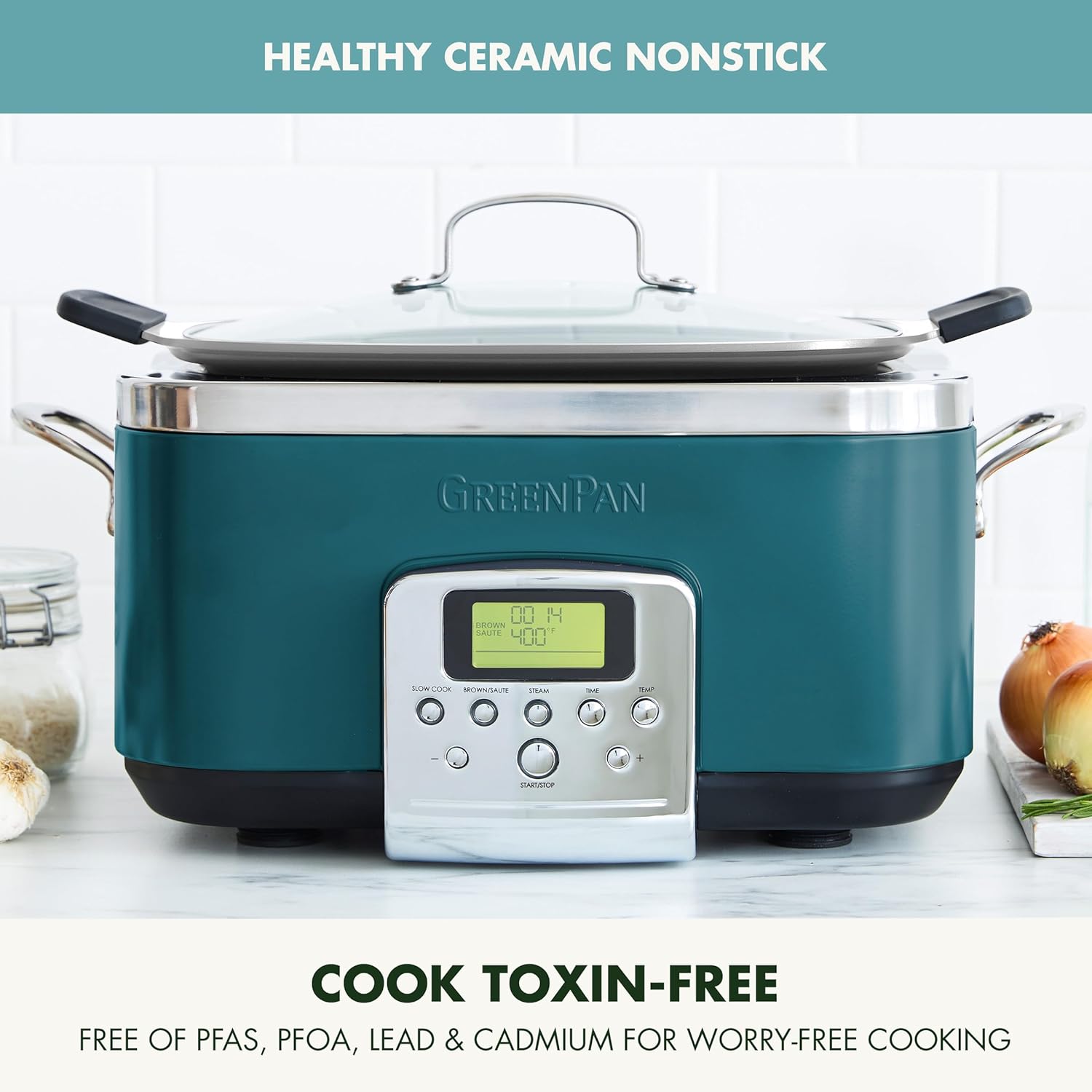
Material quality remains central to long term satisfaction with any pressure cooker. A ceramic coated inner pot should feel solid, with a smooth surface and a well fitting base that sits securely in the electric housing. The lid, sealing ring, and pressure valve must work together so the cooker maintains stable electric pressure without leaks, hissing, or unexpected steam around the rim.
How ceramic coated inner pots compare with stainless steel and stovetop options
Many readers wonder whether a ceramic coated inner pot can truly replace traditional stainless steel in everyday cooking. Stainless steel pressure cookers, especially stovetop models, have a long reputation for durability, high heat tolerance, and reliable pressure cook performance. However, the best electric pressure cookers with ceramic coated inner pot appeal to cooks who want easier cleanup and less scraping after rice or slow cook stews.
In practice, a ceramic coated inner pot behaves differently from bare stainless steel when you sauté or brown ingredients. You may need slightly less oil, and the pot can be more forgiving if you are still learning to cook under pressure. For delicate dishes such as rice, custards, or fish, the smoother surface of ceramic coated pots can reduce sticking and help maintain attractive textures.
Stovetop pressure cookers still offer advantages for cooks who value speed and high searing temperatures. They heat quickly on gas or induction, and experienced users can fine tune pressure using the burner rather than electronic controls. Yet they lack the built in electric pressure management, timer functions, and automatic keep warm modes that define modern electric pressure cookers and multi cooker appliances.
Hybrid households sometimes keep both a stovetop pressure cooker and an electric pressure model with a ceramic coated inner pot. The stovetop cooker handles large batch canning or very fast pressure cook tasks, while the electric cooker manages hands off slow cook recipes, rice cooker duties, and weeknight one pot meals. This combination shows how different pots, lids, and cooking functions can complement each other rather than compete.
Understanding multi cooker versatility, from instant style pots to dream cooker designs
The rise of multi cooker appliances has blurred the lines between pressure cooker, slow cooker, and rice cooker. Many electric pressure cookers now market themselves as instant pot style devices, even when they are not part of the Instant Pot brand family. These models often include presets for pressure cook, slow cook, rice, yogurt, and sous vide, all managed through a single electric interface.
Within this landscape, the best electric pressure cookers with ceramic coated inner pot position themselves as a kind of dream cooker for busy households. They promise to replace several separate cookers, from the old cooker slow unit to the dedicated cooker steamer used for vegetables. A well designed multi cooker can handle pot duo style tasks, such as cooking rice in the inner pot while steaming vegetables above in a basket.
Some brands label their lines with names like pot pro or pot rio to signal incremental improvements in cooking functions. These models may offer more precise electric pressure control, better lid locking mechanisms, or enhanced slow cook performance. When comparing such cookers, focus less on marketing names and more on how the pot, lid, and inner pot coating support your actual cooking habits.
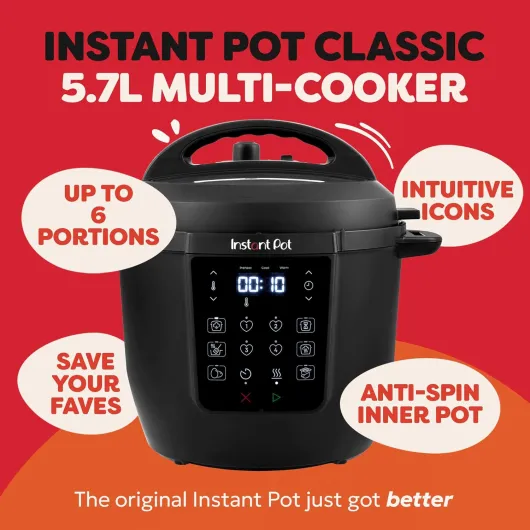
For readers seeking a deeper technical breakdown of instant pot style cookers, an in depth guide to the Instant Pot and its electric pressure technology can be found through this comprehensive instant pot overview. This type of resource helps clarify how electric pressure, temperature sensors, and safety valves work together in modern cookers. With that understanding, you can better judge whether a particular multi cooker with a ceramic coated inner pot truly fits your kitchen.
Safety, maintenance, and lifespan of ceramic coated electric pressure cookers
Safety remains the primary concern for anyone considering an electric pressure cooker, regardless of whether the inner pot is ceramic coated or stainless steel. Modern electric pressure cookers include multiple safety layers, such as locking lids, pressure sensors, and automatic shutoff if overheating occurs. When combined with a robust ceramic coated inner pot, these systems aim to keep pressure cooking as safe as conventional oven baking.
To preserve the coating on a ceramic inner pot, avoid metal utensils and harsh scouring pads. Gentle sponges, wooden spoons, and silicone tools help maintain the smooth surface that makes these pots attractive for rice and slow cook dishes. Many manufacturers also recommend avoiding sudden temperature shocks, such as placing a hot pot under cold water, which can stress both ceramic and stainless steel materials.
Regular inspection of the lid, sealing ring, and pressure valve is essential for any pressure cooker, whether it is a stovetop model or an electric pressure multi cooker. Replace worn gaskets promptly, and ensure the valve moves freely before each cook. A well maintained cooker not only stays safe but also maintains consistent pressure, which directly affects cooking time and food quality.
Over the lifespan of a cooker, the ceramic coated inner pot may show signs of wear, especially if abrasive tools were used. Light surface marks do not always affect performance, but deep scratches can trap food and make cleaning harder. When that happens, many brands offer replacement inner pots, allowing you to extend the life of the electric pressure cooker without replacing the entire appliance.
Balancing price, performance, and everyday practicality
Price often becomes the deciding factor when comparing the best electric pressure cookers with ceramic coated inner pot. Entry level models may offer basic pressure cook and slow cook functions, while premium multi cooker designs add sous vide, advanced rice programs, and more precise temperature control. The challenge is to match the cooker’s capabilities with your actual cooking habits rather than chasing every possible feature.
For many households, a mid range electric pressure cooker with a reliable ceramic coated inner pot and a solid lid mechanism offers the best balance. It can handle pressure cooking for beans, grains, and stews, while also serving as a slow cooker for weekend braises. When a cooker includes clear presets for rice, cooker steamer functions, and keep warm, it becomes easier to justify the investment over time.
Think about how often you will use specific cooking functions such as sous vide or yogurt before paying extra for them. If your routine revolves around rice, soups, and one pot meals, a simpler electric pressure model may serve as your dream cooker without the complexity of pot pro or pot rio style upgrades. On the other hand, enthusiastic home cooks might appreciate the flexibility of pot duo configurations or multi cooker designs that can replace several separate appliances.
Ultimately, the best electric pressure cookers with ceramic coated inner pot are those that feel intuitive, safe, and dependable in daily use. A cooker that encourages you to cook more whole grains, legumes, and vegetables can improve both nutrition and budget. By weighing price, material quality, and real world practicality, you can select a pressure cooker that earns a permanent place on your countertop.
Real world use cases for ceramic coated electric pressure cookers
In everyday kitchens, the appeal of an electric pressure cooker with a ceramic coated inner pot lies in its ability to simplify complex meals. Busy professionals can load dried beans, aromatics, and stock into the pot before work, then rely on timed electric pressure and automatic keep warm to deliver dinner without supervision. Families appreciate how a single cooker can handle rice, vegetables, and protein in stages, reducing both washing up and energy use.
Rice based dishes highlight the strengths of ceramic coated inner pots compared with bare stainless steel. A well calibrated rice cooker mode within a multi cooker can produce fluffy grains that release easily from the pot, even when using sticky varieties. When combined with a cooker steamer basket, the same electric pressure cooker can steam vegetables or dumplings above the rice, turning the appliance into a compact pot duo system.
Slow cook programs remain valuable even in advanced electric pressure cookers, because not every recipe benefits from high pressure. Tough cuts of meat, bone broths, and certain vegetable stews develop deeper flavors when cooked low and slow. A cooker slow mode within a multi cooker allows you to choose between rapid pressure cook methods and traditional slow cooker timing without changing pots or lids.
For experimental cooks, features such as sous vide and yogurt making extend the role of the electric pressure cooker beyond simple stews. These cooking functions rely on precise temperature control rather than high pressure, yet they still benefit from the insulated housing and stable inner pot. Over time, such versatility can transform a single electric pressure appliance into the true dream cooker that many marketing campaigns promise.