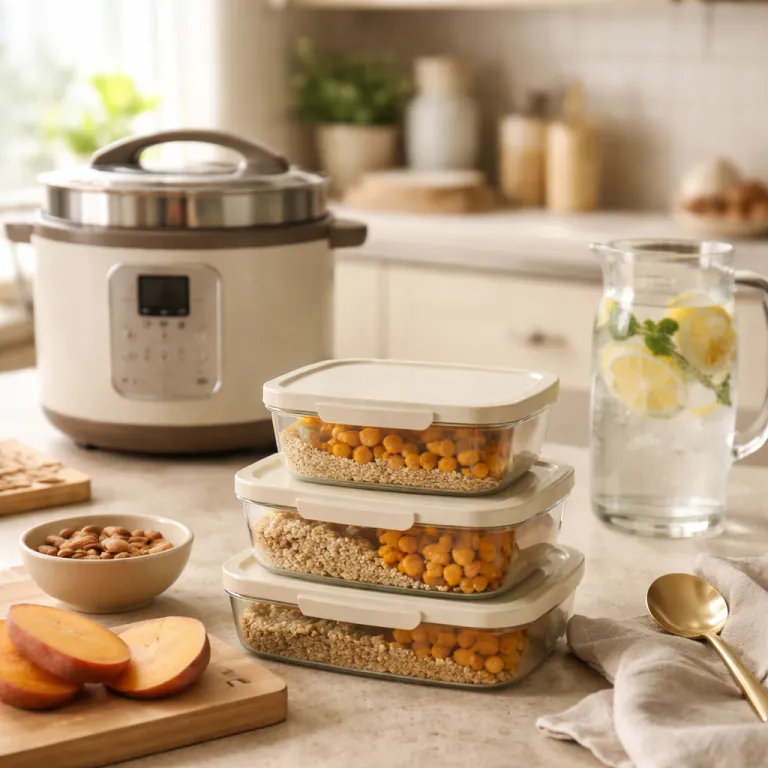
Why summer pressure cooker recipes keep your kitchen cool
When the air outside feels heavy and hot, an electric pressure cooker quietly becomes your best summer ally. A sealed pressure cooker traps steam and directs concentrated heat into the pot, so your kitchen stays noticeably cooler than when you run a large oven or simmer a pot on the stove for an hour. Because pressure builds quickly and cook times stay low, you get tender chicken, beef, pork or potatoes in a fraction of the time and with far less ambient heat.
Think of the modern Instant Pot or any similar electric cooker as a compact, insulated chamber that finishes summer recipes before the room really warms up. The heating element cycles on and off under electronic control, which means less wasted energy and fewer long, slow temperature spikes that turn a small flat into a sauna. Compared with a slow cooker or a traditional pot on a gas flame, the pressure cooker keeps heat and moisture locked in, so you can cook rice, pasta, corn on the cob or salt potatoes without steaming up every window.
For meal prep fans, this changes how you plan summer dinner and lunch recipes. You can pressure cook a big batch of low carb chicken pasta, hearty one-pot recipes with rice, or pulled pork for lettuce wraps in under an hour, then chill everything for cold meals over several days. Instead of hovering over a hot stove, you press one button on the Instant Pot control panel, step away, and return to healthy components ready for wraps, grain bowls or cold pasta salads.
Five summer pressure cooker recipes that beat the heat
Cold sesame noodles start with pressure cooked pasta, which turns out perfectly al dente in about four minutes at high pressure. Add just enough water to barely cover the pasta in the pot, use a short natural release of two to three minutes to tame the foam, then rinse the noodles cold and toss with sesame paste, soy sauce, rice vinegar and plenty of grated cucumber for a healthy, low carb leaning bowl. This same method works for chicken pasta or beef and vegetable pasta recipes, giving you chilled dinners that feel light but still satisfying.
Cold Sesame Noodles (Pressure Cooker Method)
Ingredients: 12 oz short pasta, 3 tbsp sesame paste or peanut butter, 2 tbsp soy sauce, 1 tbsp rice vinegar, 1 tbsp toasted sesame oil, 1 tsp grated ginger, 1 clove garlic, 1 large cucumber (grated), 2 green onions, and 1–2 tbsp cold water to thin. Method: Place pasta in the pot with water just to cover (about 3–3.5 cups for 12 oz), add 1/2 tsp salt, then cook at high pressure for 4 minutes. Let pressure release naturally for 2 minutes, then quick release and drain. Rinse under cold water, drain well, whisk the sauce ingredients in a bowl, thin as needed, then toss with the chilled pasta, cucumber and onions. Serve cold with extra vegetables for a refreshing summer dinner.
Shredded chicken for sandwiches and wraps is where an Instant Pot shines for summer recipes. Place boneless chicken in the cooker with a little stock, lemon slices, garlic and salt, then cook at high pressure for eight to ten minutes before shredding and chilling for lettuce wraps, chicken salads or pressure cooker chicken tacos. For a crowd, use the same electric pressure cooker technique with pork shoulder to make pulled pork in about ninety minutes, then serve it with cold sides instead of running a smoker all day.
Basic Pressure Cooker Shredded Chicken
Ingredients: 2 lb boneless, skinless chicken breasts or thighs, 1 cup low sodium chicken broth or water, 1 lemon (sliced), 3 cloves garlic, 1 tsp salt, 1/2 tsp black pepper and 1 tsp dried herbs. Method: Place broth, lemon and garlic in the pot, then add seasoned chicken in an even layer. Lock the lid, set to high pressure for 8 minutes for breasts or 10 minutes for thighs, and allow a 5 minute natural release before venting. Check that the internal temperature reaches at least 165°F, shred the meat with two forks, spread in a shallow dish to cool quickly, then refrigerate for wraps, tacos or chilled chicken pasta salads.
Chilled cucumber soup, grain bowls and three bean salads also benefit from pressure cooking. Quickly cook farro or quinoa in the pot using a 1:1.5 grain-to-water ratio for farro or 1:1.25 for quinoa, use rice settings for fluffy rice to serve cold, and pressure cook dried beans for a three bean salad that tastes far fresher than canned versions. If you are interested in how pressure technology carries over into safe preserving and everyday cooking, a detailed guide to how a Presto pressure canner elevates safe home canning and everyday cooking shows why sealed pressure systems are so efficient in hot weather kitchens.
Cold prep, batch cooking and smart summer timing
A simple cold prep to pot strategy makes summer pressure cooker recipes feel almost effortless. Chop vegetables, trim chicken or beef, measure rice or pasta and mix sauces late at night when the kitchen is cool, then store everything in airtight containers in the refrigerator. In the morning, you simply tip the prepped ingredients into the pot, set the pressure program, and let the cooker work while the day is still relatively low in temperature.
Make-Ahead Brown Rice for Summer Bowls
For brown rice, use a tested ratio of 1 cup rice to 1.25 cups water, plus 1/4 tsp salt per cup. Rinse the rice under cool water, drain well, then add to the pot with water and salt. Cook at high pressure for about 22 minutes, allow a 10 minute natural release, then vent and fluff with a fork. Spread the rice in a shallow pan so it cools quickly, then refrigerate for up to four days for grain bowls, sushi-style salads or rice based summer recipes that you can serve chilled or at room temperature.
Batch cooking on Sunday with an Instant Pot or similar electric pressure cooker sets you up for a full week of low carb, healthy meals that require no extra heat. Cook a large batch of brown rice at about 22 minutes on high pressure with a 1:1.25 rice-to-water ratio, quinoa or farro for 10 to 12 minutes, a pot of beans, and two proteins such as shredded chicken and pulled pork, then chill them in shallow containers for fast cooling and safe storage. During the week, you assemble grain bowls, lettuce wraps, chicken pasta salads or rice based summer recipes straight from the refrigerator, adding only fresh vegetables and a squeeze of lemon.
For those who like to preserve peak season produce, pint canning jars are the quiet workhorses of modern kitchens, and they pair well with pressure cooked components for make ahead meals. You might fill jars with layered salads, low carb bean mixes or cold noodle recipes, using pressure cooked grains and legumes as the base. When you open a jar at lunch, you get the payoff of a few calm minutes spent at the pot instead of a sweltering half hour over a stove.
Pairing pressure cooked mains with no cook summer sides
Once you have a fridge full of pressure cooked staples, the art of summer dinner is all about pairing them with crisp, no cook sides. A bowl of shredded chicken from the Instant Pot becomes a full meal when wrapped in lettuce leaves with sliced cucumber, herbs and a bright lemon yogurt sauce. Pulled pork from the pressure cooker turns into light summer plates when you serve it in small portions alongside raw vegetable salads instead of heavy buns.
Use the cooker for quick jobs that would otherwise heat the kitchen, then lean on the cutting board for everything else. Pressure cook corn on the cob for just two to three minutes at high pressure, chill it, then slice the kernels off for a cold salad with tomatoes, herbs and a low carb vinaigrette. Small salt potatoes cooked under pressure for about five minutes hold their shape beautifully, and once cooled they make a healthy potato salad with olive oil, mustard and plenty of fresh herbs instead of a heavy, slow cooker style mayonnaise dressing.
For tougher cuts like beef chuck, an electric pressure cooker can mimic the tenderness of a crock pot in a fraction of the time, and a detailed tutorial on how to make tender chuck roast in a crock pot like a pro explains why gentle, even heat matters for texture. You can adapt those principles to the pressure environment, then chill the sliced meat for sandwiches, wraps or rice bowls. In the end, what makes summer pressure cooker recipes so valuable is not the feature count on your pot but the way they turn hot evenings into cool, low effort dinners.
FAQ
Do pressure cookers really keep the kitchen cooler in summer ?
Yes, electric pressure cookers release far less ambient heat than ovens or open pots, because the sealed chamber traps steam and shortens overall cook time. The heating element cycles on and off efficiently, so less energy escapes into the room. For small apartments or homes without strong ventilation, that difference is very noticeable on hot days.
What are the best foods to batch cook in a pressure cooker for summer ?
Proteins such as shredded chicken, pulled pork and tender beef, plus grains like rice, quinoa and farro, are ideal for batch cooking under pressure. These ingredients store well in the refrigerator and can be served cold in salads, wraps or grain bowls. Cooking them once in a large pot on Sunday lets you assemble fast, no cook dinners all week.
Can I cook pasta and rice in an electric pressure cooker without overcooking them ?
Yes, but you need to use short cook times and precise water ratios. Pasta usually needs just a few minutes at high pressure with barely enough water to cover, followed by a quick release and a cold rinse. Rice benefits from using the dedicated rice setting or a tested ratio, then resting briefly after cooking to finish steaming.
How do I keep pressure cooked summer meals feeling light and healthy ?
Focus on lean proteins, plenty of vegetables and low carb sides, then use bright flavors like lemon, herbs and vinegar instead of heavy sauces. Serve pressure cooked components chilled or at room temperature with raw salads, lettuce wraps or fresh salsas. This approach keeps the meal refreshing while still taking advantage of the cooker’s speed.
Is an instant pot better than a slow cooker for hot weather cooking ?
For most people, an Instant Pot or similar electric pressure cooker is better in hot weather because it cooks faster and releases less heat into the room. A slow cooker runs for many hours, which can gently warm a small kitchen even if the temperature never gets very high. With pressure cooking, you finish the job quickly, then turn the appliance off and let the food cool for cold summer recipes.