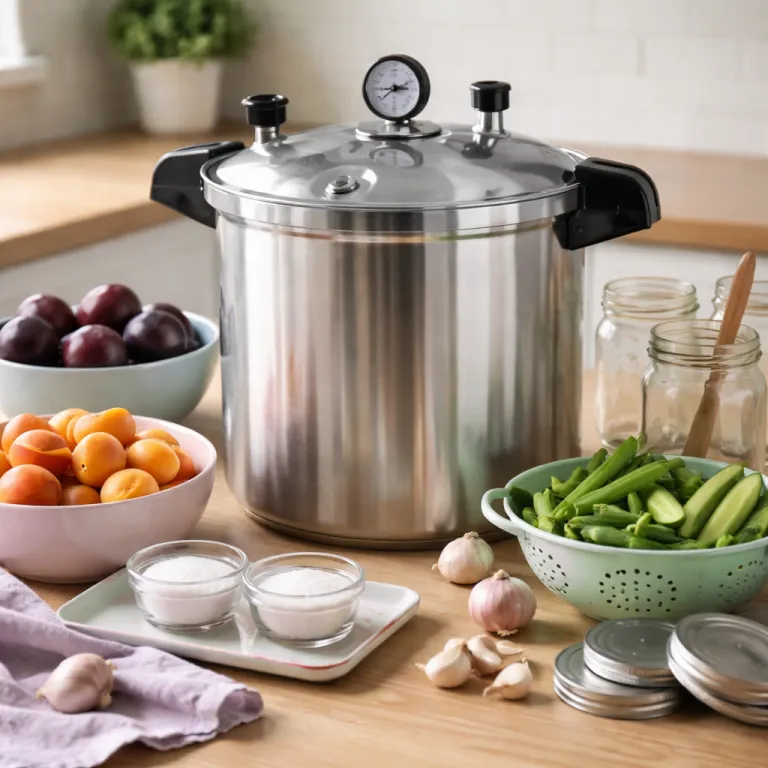
Why a presto pressure canner matters for modern home kitchens
The presto pressure canner sits at the crossroads of tradition and technology. For many customer households, it replaces both a classic pressure cooker and a large waterbath pot, bringing pressure and temperature under precise control. This dual role makes the appliance attractive to cooks who want easy meals and safe canning in one sturdy cooker.
Unlike a basic pressure cooker, a dedicated pressure canner is engineered to maintain stable pressure levels for long periods. The presto pressure design uses a calibrated dial or weighted gauge to keep pressure inside the aluminum chamber within a narrow safety range, which is essential when processing low acid foods in various quart sizes. Because the canner body is usually heavy gauge aluminum, heat spreads evenly across the base, reducing hot spots that could compromise food safety or warp jars during canning.
Home cooks often compare brands and price before committing to a large capacity canner. A typical presto pressure canner offers 16 quart or 23 quart models, which accommodate multiple tiers of jars for efficient canning sessions. When evaluating the price of a presto pressure canner, it helps to factor in its role as a pressure cooker for beans, stocks, and tough cuts of meat, which can shorten cooking times and lower energy use.
Many customer reviews highlight how easy it becomes to batch cook and preserve seasonal produce with a single cooker. They also note that the canner’s clear safety instructions, locking lid, and overpressure plug provide reassurance during long canning runs. For people new to pressure canning, pairing the presto pressure canner with reliable canning books and a basic canning kit can smooth the learning curve and build confidence.
Understanding capacity, quart sizes, and safe pressure control
Choosing the right quart capacity for a presto pressure canner depends on your household size and storage space. A 16 quart canner suits smaller kitchens and occasional canning, while a 23 quart model handles larger harvests and more ambitious recipe plans. Both sizes function as a pressure cooker, but the larger canner offers extra flexibility for stacking jars and cooking big batches of broth or beans.
Safe canning relies on accurate pressure and temperature, not just on the size of the cooker. The presto pressure system uses either a dial gauge or a weighted regulator to maintain the correct pressure for the altitude where the customer lives. Because pressure affects the boiling point of water, the canner must reach specific levels that a simple waterbath cannot achieve for low acid foods like meats, vegetables, and soups.
Many people compare a presto pressure canner with electric multi cookers when they research pressure cooker options. Electric models with digital pressure controls can be convenient, but most are not approved as pressure canner appliances for home canning of low acid foods. For that reason, a stovetop aluminum canner remains the reference tool for serious canning, while an electric digital pressure cooker is better reserved for everyday meals.
When planning a kitchen layout, it helps to think about how a presto pressure canner fits alongside other appliances. If you already own an electric pressure cooker, you might dedicate the canner to seasonal canning and large batch cooking. For guidance on matching cooker capacity to your lifestyle, resources that explain how pressure cooker sizes affect meal planning can clarify what quart size you truly need.
Safety features, materials, and the role of aluminum construction
Safety sits at the heart of every presto pressure canner design, because high pressure and heat demand reliable engineering. The canner lid typically locks mechanically when pressure builds, preventing the customer from opening the cooker until internal pressure drops to a safe level. Backup safety features, such as an overpressure plug and a gasket that releases steam in emergencies, add extra layers of protection during canning.
Most classic presto pressure canner models use heavy gauge aluminum for the body, which offers excellent heat conduction and relatively light weight for a large cooker. Aluminum spreads heat more evenly than many cheaper metals, helping the canner maintain stable pressure across long processing times. While some customer questions focus on aluminum and food contact, following the manufacturer’s recipe guidance and avoiding highly corrosive cleaners helps keep the canner interior in good condition.
Some newer pressure cooker designs incorporate digital controls and stainless steel interiors, but these digital pressure appliances are usually marketed as cookers rather than certified canners. A presto precise style of control, whether mechanical or digital, must still meet time and pressure requirements for safe canning. When comparing brands and price points, it is important to confirm whether a model is tested as a pressure canner, a pressure cooker, or both.
Good safety practice extends beyond the hardware to the way you use the presto pressure canner. Always vent steam for the recommended time before bringing the canner to full pressure, and never force cool the cooker under running water. For new homeowners assembling essential tools, many checklists of core kitchen equipment now include a reliable pressure canner alongside knives, pans, and food storage containers.
From waterbath to pressure canning: techniques, recipes, and canning kits
Home preservers often start with a simple waterbath canner before moving to a presto pressure canner for low acid foods. Waterbath canning works for jams, jellies, and pickles, but it cannot reach the higher pressure and temperature needed for meats, plain vegetables, and many mixed meals. A dedicated pressure canner closes this gap, allowing the same customer to preserve a wider range of foods safely.
Using a presto pressure canner effectively means following tested recipe instructions that specify pressure level, quart jar size, and processing time. Many canning books provide detailed tables for different foods, altitudes, and jar sizes, which help you adjust the cooker settings correctly. Pairing these books with a complete canning kit that includes a jar lifter, funnel, headspace tool, and labels makes the workflow more organized and easy to repeat.
Some cooks like to keep both a waterbath canner and a pressure canner on hand, using each method where it excels. The presto pressure canner handles green beans, soups, and stocks, while a large enamel pot remains ideal for high acid fruits and quick pickles. When planning mixed preserving days, it can be efficient to run a waterbath batch while the pressure cooker cools between canning cycles.
Digital pressure cookers sometimes advertise canning functions, but they rarely match the capacity and tested performance of a full size presto pressure canner. For serious home canning, a stovetop aluminum canner with clear safety documentation remains the standard tool. If you are assembling a broader toolkit for home cooking projects, including sausage making, resources on selecting specialized kitchen equipment can complement your investment in a pressure canner.
Digital controls, presto precise models, and customer expectations
The rise of digital pressure cookers has shaped what many customer households expect from modern appliances. People now look for clear displays, push button programs, and audible alerts that make pressure cooking feel easy and predictable. In response, some brands have introduced presto precise and digital pressure models that blend traditional canner capacity with electronic control systems.
When evaluating a digital pressure cooker or a hybrid presto pressure canner with electronic features, it is important to separate convenience from certification. A cooker may offer digital pressure settings and presets for soups or beans, yet still not be approved as a pressure canner for low acid foods. Always check whether the manufacturer explicitly states that the appliance is tested as a pressure canner, not only as a general pressure cooker.
Digital interfaces can help new users feel more confident, especially when combined with clear on screen prompts and safety lock indicators. However, the underlying physics of pressure and temperature remain the same, whether the canner is aluminum with manual controls or a more advanced presto precise model. For long term reliability, many experienced canners still favor simple mechanical regulators that are easy to service and understand.
Customer reviews often highlight how digital pressure features influence daily cooking more than seasonal canning. A household might use a digital pressure cooker for weeknight meals, while reserving a large stovetop presto pressure canner for annual preserving projects. Whatever mix of brands and models you choose, aligning your expectations with the appliance’s tested capabilities is essential for both safety and value.
Price, brands, services, and what to check before you buy
Before investing in a presto pressure canner, many shoppers compare price, brands, and after sales services. The initial price of a large quart capacity canner may seem high, but its dual role as a pressure cooker and canner can offset the cost over years of use. When you factor in reduced food waste and the ability to buy produce in bulk, the long term value often becomes clear.
Different brands position their pressure canner and pressure cooker lines at various price points, sometimes bundling canning kit accessories or recipe books. A presto pressure canner typically emphasizes straightforward controls, durable aluminum construction, and widely available replacement parts. Checking the availability of gaskets, gauges, and safety plugs in your local store or through online services can prevent frustration later.
Shipping policies and retailer support also matter, especially for heavy cookware like a 23 quart canner. Some stores offer free shipping or in store pickup, while others charge extra due to the canner’s size and weight. Reading the retailer’s privacy policy can also reassure customers who are cautious about how their personal data is handled during online purchases.
Customer feedback can reveal how easy the presto pressure canner is to handle on different stovetops and how well the pressure regulator performs over time. Look for comments about safety, such as how clearly the cooker indicates when pressure has dropped and the lid can be opened. Balancing these practical insights with your budget and kitchen space will help you select a pressure canner that fits your needs without overpaying.
Care, maintenance, and building confidence with recipes and books
Owning a presto pressure canner brings responsibilities that extend beyond the initial purchase. Regular maintenance of the gasket, vent pipe, and pressure gauge keeps the cooker operating safely and ensures that pressure levels remain accurate. Many customer guides recommend having dial gauges tested periodically, especially if the canner sees heavy use during peak canning seasons.
Cleaning the aluminum body gently, without abrasive pads or harsh chemicals, helps preserve the finish and prevents pitting. After each canning or pressure cooker session, allow the presto pressure canner to cool naturally, then wash and dry it thoroughly before storage. Storing the lid upside down on the canner body, rather than clamped, can extend gasket life and make the next use easier.
Building confidence with a pressure canner often starts with a small set of trusted recipe books that focus on tested canning procedures. These books explain how to adjust pressure and time for different quart jar sizes, altitudes, and food types, making the process feel more predictable. Over time, many cooks expand from basic vegetables to more complex soups and stocks, always staying within the boundaries of tested pressure canner recipes.
As you gain experience, you may also refine how you organize your canning kit, label jars, and schedule shipping or store runs for lids and jars ahead of harvest. Keeping a simple log of each pressure canner session, including recipe, pressure, and processing time, can support consistent results. With thoughtful care, a well maintained presto pressure canner becomes a long term partner in both everyday pressure cooking and safe home food preservation.
Common questions about using a presto pressure canner
Is a presto pressure canner the same as a regular pressure cooker ?
A presto pressure canner is designed for both canning and cooking, while a standard pressure cooker is usually intended only for meal preparation. The canner reaches and maintains specific pressure levels needed for safe preservation of low acid foods in various quart jar sizes. Always check the manufacturer’s documentation to confirm whether your model is approved as a pressure canner, a pressure cooker, or both.
Can I use a digital pressure cooker for home canning ?
Most digital pressure cookers, even those with canning programs, are not certified as pressure canners for low acid foods. They may not hold the precise pressure and temperature required for safe canning over the necessary time. For reliable results, use a tested stovetop presto pressure canner or another approved canner model.
What size presto pressure canner should I buy for my household ?
The choice between a 16 quart and 23 quart presto pressure canner depends on how much you plan to preserve. Smaller households or beginners may find a 16 quart canner easier to handle and store. Larger families, gardeners, or bulk buyers often appreciate the capacity of a 23 quart canner for more efficient canning sessions.
How important are canning books and a canning kit for beginners ?
Canning books that provide tested recipes are essential for learning safe pressure canning techniques. A basic canning kit with tools like a jar lifter, funnel, and headspace gauge makes the process easier and safer. Together, these resources support consistent results with your presto pressure canner and help build long term confidence.
What should I check in a retailer’s privacy policy when buying a canner online ?
When purchasing a presto pressure canner online, review the retailer’s privacy policy to see how your personal and payment data are collected, stored, and shared. Look for clear explanations of data protection practices and options to manage your information. A transparent privacy policy, combined with secure payment methods, contributes to a safer overall shopping experience.