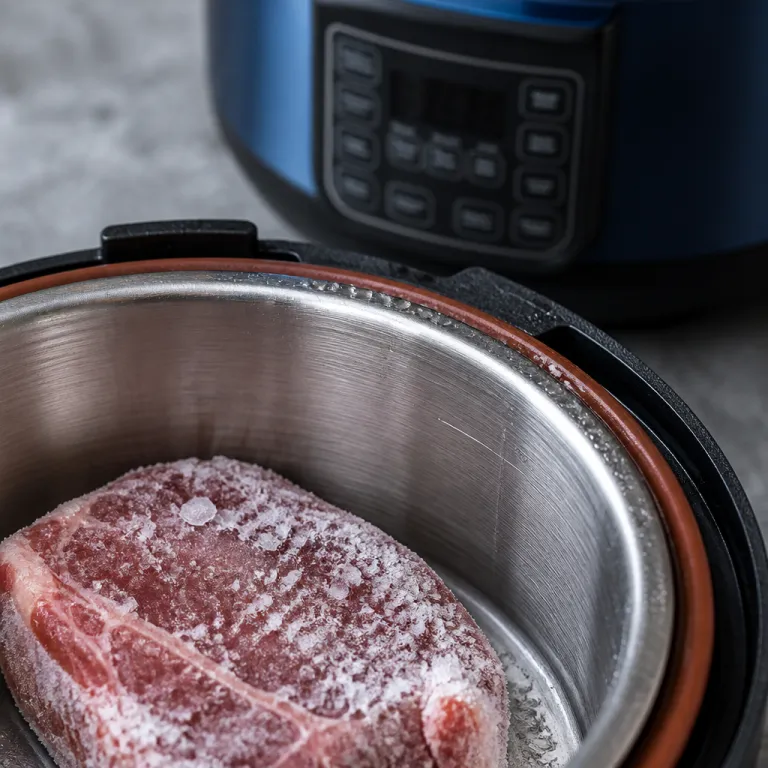

Can you safely pressure cook frozen meat in an electric cooker
Yes, you can pressure cook frozen meat in a modern electric pressure cooker when you follow strict food safety rules. The sealed pot, controlled pressure and regulated cooking time allow frozen meats to reach a safe internal temperature without thawing first. You must however adapt the recipe, the amount of cooking liquid and the pressure release method to avoid undercooked centres, dry exteriors or unsafe handling.
When people ask can you pressure cook frozen meat, they usually picture an instant pot style appliance struggling with a solid block from the freezer. In reality, pressure cooking frozen meat is safe cook practice when the meat pieces are separated, fully covered by adequate liquid and cooked long enough for heat to penetrate evenly. Problems arise when a large roast or whole frozen chicken is placed in the cooker as one mass, because the outside may overcook while the core of the meat frozen block stays in the danger zone for too long.
Electric pressure cooking works by trapping steam, raising pressure and pushing heat deep into cooking meat much faster than a slow cooker or an oven. This means you can cook frozen chicken breasts, beef cubes or small cuts of frozen meats directly from the freezer, but you must extend the minutes under pressure compared with fresh meat. Always check that the thickest part of the meat reaches at least seventy four degrees Celsius (one hundred sixty five degrees Fahrenheit) for poultry, at least sixty three degrees Celsius (one hundred forty five degrees Fahrenheit) for whole cuts of beef, pork, lamb and veal, and at least seventy one degrees Celsius (one hundred sixty degrees Fahrenheit) for ground meats, and use either a natural release or a controlled quick release depending on the cut and the recipe.
Essential safety principles for pressure cooking frozen meat
Safe pressure cooking of frozen meat starts with choosing the right cut and size for your pot. Thin pieces of frozen chicken, sliced beef or boneless skinless chicken breasts allow steam and cooking liquid to circulate, while a dense frozen roast or whole bird can trap cold spots. Whenever you cook frozen meat, avoid stacking a huge pile of meat frozen together, and instead separate pieces before freezing so they pressure cook more evenly.
Food safety agencies warn that large blocks of frozen meats can spend too long between five and sixty degrees Celsius (forty one to one hundred forty degrees Fahrenheit), where bacteria multiply quickly. In an electric pressure cooker, this risk increases if you use too little liquid, because steam cannot form properly and the cooker may struggle to reach full pressure. Always add at least one to one point five cups of cooking liquid for a typical instant pot size, and never pressure cook frozen meat without enough water, stock or thin sauce to generate steam.
Another safety rule concerns the release of pressure after the cooking time ends. For dense cooking meat such as beef stew, pork shoulder or a thick roast, a natural release of at least ten to fifteen minutes lets the temperature equalise and keeps fibres tender. For smaller pieces like skinless chicken strips or thin chicken breasts, a controlled quick release after a short natural release can prevent overcooking while still keeping the centre of the frozen chicken safely hot.
Health conscious cooks sometimes worry about the materials of their cooker as much as the food itself. If you are comparing stainless steel inner pots with hard anodised alternatives, it is worth reading an independent analysis of the health implications of hard anodized cookware from a reputable source such as a manufacturer, a government agency or a peer reviewed study. Choosing a safe inner pot, using enough liquid and respecting recommended minutes under pressure together create a reliable framework for safe cook practice when you pressure cook frozen meat.
Choosing the right electric pressure cooker and avoiding hazards
Not every pressure cooker handles frozen meat equally well, so your appliance choice matters. A modern electric pressure cooker with clear pressure settings, a sturdy lid and reliable safety valves is essential when you plan to cook frozen meats regularly. Models marketed as an instant pot or similar multi cookers usually include specific pressure cooking programs that manage time, temperature and release more precisely than older stovetop designs.
When evaluating a cooker for cooking frozen meat, look for a thick stainless steel inner pot, intuitive controls and a clear indicator for natural release versus quick release. A well designed lid and steam release handle help you manage hot liquid safely, especially when you cook frozen chicken or beef that releases extra juices during cooking. Avoid overfilling the pot with meat frozen in large clumps, because trapped steam can cause foaming, sputtering and even block the pressure release path.
Safety records also matter, and official recalls show why you must respect manufacturer guidance. If you own a budget model, check whether it has ever been subject to a recall, such as the Ambiano six litre pressure cooker described in a 2017 notice from the Australian Competition and Consumer Commission. A safe cook environment depends on a sound appliance, correct use of cooking liquid and careful handling of both natural release and quick release when you cook frozen meat.
Practical timings and techniques for cooking frozen meat
Once you understand the safety basics, the next question after can you pressure cook frozen meat is how long it actually takes. As a rule of thumb, when you cook frozen chicken breasts in an instant pot, you often add extra minutes compared with thawed chicken breasts of the same thickness. For example, if fresh boneless skinless chicken needs eight minutes at high pressure with a natural release, the same weight of frozen chicken usually needs around twelve minutes plus a similar natural release period, though you should always confirm doneness with a thermometer.
Beef behaves differently from chicken, because connective tissue needs more time to break down under pressure. Cubed beef for stew, taken straight from the freezer, often requires thirty to thirty five minutes of pressure cooking plus a full natural release to become tender, while the same recipe with thawed beef might need only twenty minutes. A small beef roast cooked from frozen can be done safely, but only if it fits comfortably in the pot, is not thicker than about seven centimetres and is fully surrounded by hot cooking liquid.
Seasoning also deserves attention when you cook frozen meats under pressure. Salt, pepper, dried herbs and aromatics like garlic or onion powder penetrate more slowly into meat frozen solid, so you may want to season both the surface and the cooking liquid generously. For a simple family recipe, place frozen chicken breasts in the cooker, sprinkle them with salt, pepper and paprika, pour in stock as the cooking liquid, then cook frozen on high pressure for the recommended minutes before allowing a partial natural release followed by a careful quick release.
When planning meals, remember that an instant pot or similar cooker can replace a slow cooker on busy days. Instead of simmering cooking meat for six hours, you can pressure cook frozen meat instant style in under an hour, including heat up and release time. This flexibility lets you keep a variety of frozen meats in the freezer and still serve safe cook dinners even when you forget to thaw the meat in advance.
Step by step method for pressure cooking frozen chicken and beef
To make the process concrete, consider a basic method for cooking frozen chicken in an electric pressure cooker. First, check that each piece of frozen chicken is separate, not fused into a single block, then lightly rinse off any ice crystals and place the pieces in the pot in a single layer. Add at least two hundred fifty millilitres of thin cooking liquid, such as water, stock or a light tomato sauce, making sure the liquid reaches just below the top of the chicken.
Next, season the meat and the liquid with salt, pepper, herbs and spices that suit your recipe. For boneless skinless chicken breasts, a classic mix of salt, pepper, garlic powder and dried thyme works well, while for darker cuts or frozen chicken thighs you might add smoked paprika or cumin. Lock the lid, set the cooker to high pressure and program the appropriate minutes based on weight, then allow at least ten minutes of natural release before deciding whether to open the valve for a controlled quick release.
For beef, the steps are similar but the timings and cuts differ. Choose stewing beef, short ribs or a small roast that fits easily in the instant pot, and avoid very lean cuts that can dry out under pressure cooking. Brown the surface in the pot on sauté mode if the meat is not fully frozen, or skip browning when the meat frozen is rock solid, then add enough cooking liquid to cover at least two thirds of the beef before sealing the cooker.
After the programmed time, let the pressure drop naturally for at least fifteen minutes to keep fibres tender. Only then should you consider a quick release, and even then open the valve slowly to avoid a violent jet of steam and cooking liquid. This step by step approach, applied consistently, turns the abstract question can you pressure cook frozen meat into a reliable routine for both chicken and beef dishes.
Buying and storing meat for safe pressure cooking from frozen
Safe pressure cooking of frozen meat actually begins at the supermarket and continues in your kitchen freezer. Choose fresh meat with a clear use by date, minimal added water and visible marbling for beef, because better quality meat instant responds more predictably to high pressure. When you get home, portion chicken breasts, beef cubes and other cuts into meal sized bags, spread them flat and freeze them so each piece of meat frozen remains separate.
Flat freezing creates thin layers of frozen meats that fit neatly into the pot and thaw quickly under pressure. Label each bag with the cut, weight and any marinade used, because this information helps you set an accurate cooking time later. If you plan to cook frozen chicken directly in the cooker, avoid heavy breading or thick sugary sauces in the freezer bag, since these can burn on the bottom of the pot before the centre of the meat is fully cooked.
Storage time also affects both safety and texture when you cook frozen meat. While meat kept constantly at minus eighteen degrees Celsius (zero degrees Fahrenheit) remains safe for many months, quality declines after about three to six months for chicken and slightly longer for beef, especially in a frost free freezer that cycles temperatures. For best results with pressure cooking, rotate your stock of frozen meat regularly, use older bags first and avoid refreezing thawed meat, because repeated freezing damages fibres and can lead to mushy textures under pressure.
When you are ready to cook, transfer the frozen meats straight from the freezer to the instant pot without leaving them at room temperature. Add the correct amount of cooking liquid, season with salt, pepper and herbs, then follow the timing and release guidelines for your specific recipe. This disciplined approach to buying, storing and finally pressure cooking frozen meat keeps both flavour and food safety under control.
Planning your pressure cooker strategy for busy weeknights
Once you trust that you can pressure cook frozen meat safely, you can design a weekly strategy that saves both time and stress. Many home cooks keep a rotation of frozen chicken breasts, beef cubes and mixed frozen meats ready for fast pressure cooking on hectic evenings. By pairing these freezer staples with a reliable instant pot, you can move from frozen meat to a complete meal in under an hour without relying on take away food.
Start by listing a few core recipes that work well with cooking frozen ingredients, such as shredded chicken for tacos, beef stew, or a simple roast style dish with root vegetables. For each recipe, note the required cooking liquid, the ideal minutes under pressure and whether you prefer a full natural release or a partial quick release. Store this information near your cooker so that when you pull meat frozen from the freezer, you can immediately match it to a safe cook method and avoid guesswork.
Budget conscious shoppers can also align their appliance purchases with this strategy. If you are considering a new pressure cooker or upgrading your instant pot, consult detailed buying guides or manufacturer manuals that explain what to buy, what to skip and what features to wait for in pressure cookers. A well chosen cooker, combined with thoughtful freezer organisation and a small set of reliable recipes, turns the question can you pressure cook frozen meat into a practical tool for everyday cooking rather than a last minute emergency tactic.
Key figures about pressure cooking frozen meat safely
- Food safety guidelines from agencies such as the United States Department of Agriculture and the Food Safety and Inspection Service state that whole cuts of beef, pork, lamb and veal must reach at least sixty three degrees Celsius (one hundred forty five degrees Fahrenheit) internally, while poultry including chicken must reach at least seventy four degrees Celsius (one hundred sixty five degrees Fahrenheit) to be considered safe. Ground meats such as minced beef or turkey should reach at least seventy one degrees Celsius (one hundred sixty degrees Fahrenheit).
- Practical kitchen testing by educators such as America’s Test Kitchen and the Utah State University Extension shows that increasing the cooking time when starting from frozen instead of thawed meat is usually necessary to reach safe internal temperatures, provided the pieces are not thicker than about seven to eight centimetres and are surrounded by sufficient liquid.
- Studies comparing cooking methods, including work published in the Journal of Food Science, report that pressure cooking can reduce overall cooking time by up to seventy percent compared with conventional oven roasting, which means a dish that takes three hours in the oven may be ready in under one hour in an electric pressure cooker.
- Consumer surveys of multi cookers such as the instant pot, reported by organisations like the Consumer Reports National Research Center, indicate that a significant share of owners, often more than half in published polls, use their appliance at least once per week specifically to cook frozen meats directly from the freezer.
- Freezer storage recommendations from food safety authorities suggest using frozen chicken within six months and frozen beef within twelve months for best quality, even though both remain safe beyond these periods if kept at minus eighteen degrees Celsius (zero degrees Fahrenheit) or lower.
FAQ about pressure cooking frozen meat
Can you pressure cook frozen meat without thawing it first
Yes, you can pressure cook frozen meat safely in a modern electric pressure cooker when you use enough cooking liquid, extend the cooking time and ensure the pieces are not too thick. Always check the internal temperature with a food thermometer to confirm that poultry reaches at least seventy four degrees Celsius (one hundred sixty five degrees Fahrenheit), ground meats reach at least seventy one degrees Celsius (one hundred sixty degrees Fahrenheit) and other whole muscle meats reach at least sixty three degrees Celsius (one hundred forty five degrees Fahrenheit). Avoid cooking very large frozen roasts or whole birds from frozen, because they may not heat evenly.
Is it safe to pressure cook frozen chicken breasts
It is safe to pressure cook frozen chicken breasts when they are separated, not stuck together in a solid block, and fully surrounded by hot cooking liquid. Use high pressure, add extra minutes compared with thawed chicken breasts and allow at least ten minutes of natural release before opening the cooker. Always verify that the thickest part of the chicken reaches the recommended safe temperature before serving.
Should I use natural release or quick release for frozen meats
For dense cuts such as beef stew, pork shoulder or a small roast, a full natural release of ten to twenty minutes is usually best, because it keeps the meat tender and allows the temperature to stabilise. For thinner cuts like skinless chicken strips or small pieces of frozen chicken, you can use a partial natural release followed by a careful quick release to prevent overcooking. Always open the valve slowly to avoid splattering hot cooking liquid.
How much liquid do I need when pressure cooking frozen meat
Most electric pressure cooker manuals recommend at least one to one point five cups of thin cooking liquid for safe operation, and this minimum is especially important when you cook frozen meat. The liquid generates steam, helps the cooker reach full pressure and distributes heat evenly around the meat. Using too little liquid can cause the cooker to overheat, trigger safety shutoffs or leave parts of the meat undercooked.
Can an electric pressure cooker replace a slow cooker for frozen meat
An electric pressure cooker can often replace a slow cooker when you want to cook frozen meats, because it reaches safe temperatures much faster. While a slow cooker usually requires you to thaw meat first for safety, a pressure cooker can take meat directly from the freezer to a fully cooked state in under an hour. This makes it a flexible tool for busy households that rely on frozen meat for weeknight meals.