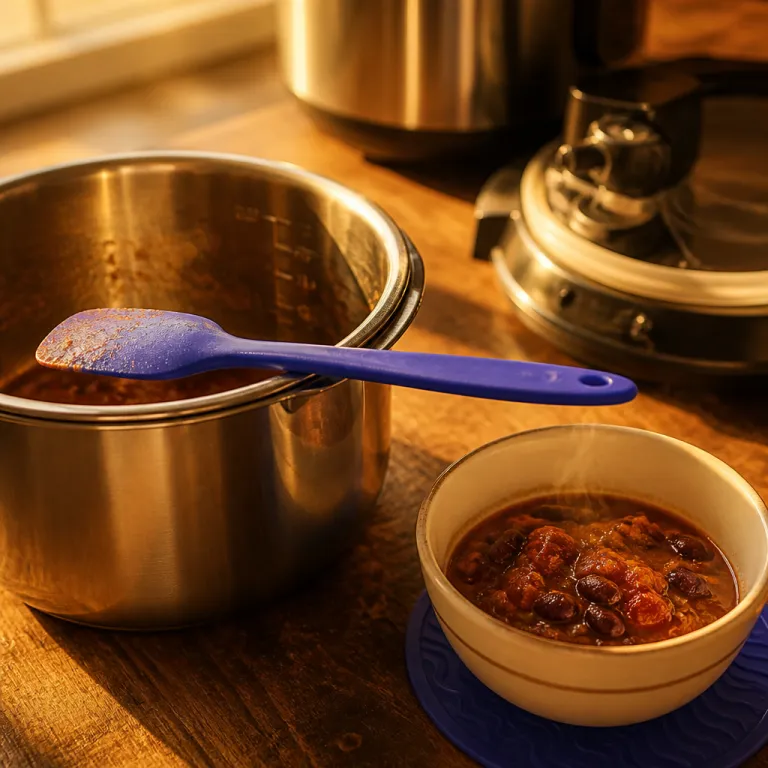
Why a pressure cooker for one person small household changes weeknights
A full size electric pressure cooker can feel absurd when you only cook for one or two. The trick is choosing a pressure cooker for one person small household that matches your real cooking habits, not an imaginary dinner party schedule. A compact 3 litre to 4 litre pot gives you enough pressure to cook efficiently without drowning a single chicken thigh in a sea of liquid.
Most solo cooks start with a 6 litre multi cooker because the price looks better and every big box shelf is stacked with them. That larger cooker works, but the wide cooking pot encourages you to make four cups of rice or a huge batch of beans when you only wanted two cups of food. A smaller electric pressure model reins in portion sizes while still letting you pressure cook staples for meal prep across several days.
Think of capacity in terms of actual meals, not just litres on a box. A 3 litre instant style cooker comfortably handles one cup of dry rice, 250 grams of beans, or two small chicken legs with vegetables, which suits a pressure cooker for one person small household perfectly. You still get the same high pressure level, the same fast cook time, and the same safe steam release systems as the bigger instant pot models, just in a pot that respects your fridge space and appetite.
Choosing the right size: mini electric pressure cookers that actually fit your life
If you mostly cook for one, a 3 litre to 4 litre cooker is the sweet spot. The Instant Pot Duo Mini, for example, is a 3 litre stainless steel multi cooker that reaches the same electric pressure as its larger siblings but keeps batch sizes sane. It is small enough that you can cook two portions of food without stacking ingredients too high or diluting flavours with excess liquid.
For couples who like leftovers, a 4 litre model such as the 4 quart Rio Mini multi cooker offers more headroom without forcing you into football team quantities. In testing, the Rio Mini handled two cups of dry rice, a 500 gram beef stew, or a pot of beans for four side dishes while still fitting in a tiny kitchen cabinet. If you want a detailed hands on review of a compact multi cooker that can pressure cook, slow cook, steam sauté, and keep warm, look at this test of a 4 quart Rio mini multi cooker before you buy.
Mini models from several brands share the same core design elements. You get a locking lid, a float valve that signals when pressure is up, and a venting knob for steam release, just scaled down for a pressure cooker for one person small household. The smaller cooking pot also means faster preheating, shorter natural release times, and less steam in a tiny apartment kitchen.
How to scale recipes for a pressure cooker for one person small household
Scaling recipes in a pressure cooker is not as simple as cutting everything in half. Electric pressure cookers need a minimum amount of liquid to reach and maintain pressure, usually around 180 to 250 millilitres for a 3 litre pot. That means your cook time might stay the same even when you reduce the amount of food in the pot.
Soups, stews, and grains are the easiest recipes to adapt for a pressure cooker for one person small household. You can halve the solids, keep the minimum liquid, and still get tender beans, perfectly cooked rice, or a small batch of lentil curry without leftovers taking over your freezer. For rice, one cup of dry grains with one and a quarter cups of water works well in a mini instant pot, and the automatic keep warm function prevents overcooking if you are delayed.
Meats and dense casseroles are trickier because they rely on both pressure level and enough liquid to avoid scorching. When you pressure cook a single chicken breast or a tiny pork roast, you still need that minimum cup of liquid, so flavours can taste washed out unless you concentrate them with tomato paste, wine, or stock. For more traditional rice cooker style meals or when you want to slow cook instead of pressure cook, a dedicated appliance such as the compact model reviewed in this test of a small electric rice cooker and steamer can complement your main pressure cooker.
Liquid, pressure, and release: why tiny batches behave differently
Pressure cooking works by trapping steam from boiling liquid, which raises the internal temperature above 100 degrees Celsius. In a small cooking pot, that steam builds quickly, so even a short cook time can fully tenderize beans or grains for a pressure cooker for one person small household. The challenge is that too little liquid can trigger burn warnings, while too much liquid turns your chili into soup.
Most electric pressure cookers specify a minimum of one cup of thin liquid, such as water or stock, regardless of recipe size. When you cook for one, think of that cup as non negotiable, then adjust flavours by using concentrated ingredients and reducing the sauce with a steam sauté function after pressure release. This method lets you keep the safety margin for the float valve and pressure level while still ending with a thick stew or curry.
Release methods also matter more with smaller volumes. A quick venting release dumps steam fast and can rough up delicate foods like fish or layered side dishes in a small pot. A natural release, where you let the pressure drop on its own, keeps foamy foods calmer, and in a mini cooker the natural release usually takes less than ten minutes, which is manageable on a busy weeknight.
Using a big pot smartly: batch cooking without drowning in leftovers
Maybe you already own a 6 litre instant pot and cannot justify another appliance. You can still make that larger cooker work for a pressure cooker for one person small household by leaning into batch cooking and freezing. The goal is to cook once, portion smartly, and then reheat without feeling like you are eating the same chili for a week.
Start by choosing recipes that freeze well, such as bean based stews, shredded meats, and grain bowls. Cook a full batch in the big cooking pot, then divide the food into one cup or two cup containers, label them with the cook time and date, and freeze them flat for easy stacking. This method turns a single pressure cook session into six or eight future meals, and the keep warm function on your cooker can hold the food safely while you portion.
Accessories make this strategy easier. Silicone egg bite molds, small springform pans, and stackable stainless steel inserts let you cook multiple side dishes or single serve desserts in one pressure cook cycle. A well designed 6 litre multi cooker with a stainless steel inner pot, such as the model reviewed in this test of a 6 litre electric multi function cooker, can slow cook a big batch of beans while you pressure cook rice for the week.
Features that matter for small households: what to look for and what to skip
When you shop for a pressure cooker for one person small household, ignore marketing noise and focus on a few key features. A stainless steel inner pot is more durable than nonstick, handles high temperature steam sauté better, and is usually dishwasher safe. A clear keep warm mode with adjustable temperature helps you hold food safely without overcooking when your schedule shifts.
Look for a lid design with a reliable float valve, an easy to grip venting handle, and clear markings for sealing and steam release. On compact instant pot models such as the Pot Duo and the Duo Mini, these details make the difference between relaxed cooking and nervously checking the cooker every minute. A well tuned pressure level sensor and accurate temperature control also reduce the risk of burn errors when you cook small volumes of starchy foods like rice or pasta.
Some features sound appealing but matter less for a pressure cooker for one person small household. Built in air fryer lids, for example, add bulk and price, yet a separate small air fryer often browns food better and fits more side dishes. Multi cooker presets for yogurt, cake, or pot roast are convenient, but what really counts is how quickly the pot comes to pressure, how evenly it can slow cook, and how intuitive the controls feel when you are tired on a Tuesday night.
Real world cooking strategies for one or two: from rice to side dishes
Once you have the right cooker, the next step is building a small household routine. Think in terms of base components such as rice, beans, and shredded meats that you can pressure cook once and then remix into different recipes. A single cup of dry rice becomes three cups cooked, enough for stir fries, grain bowls, and quick side dishes across several days.
For a pressure cooker for one person small household, aim to cook one or two base components per session. You might pressure cook a batch of chickpeas, use some immediately in a salad, then freeze the rest in half cup portions for future soups and stews. Another night, you slow cook chicken thighs in the same pot, shred the meat, and portion it into tacos, pasta, and rice bowls, all while the cooker quietly switches to keep warm when the cook time ends.
Cleaning and maintenance also shape how often you actually use the appliance. A dishwasher safe stainless steel pot, a removable silicone sealing ring, and a lid that stands upright on the side of the cooker make weeknight cleanup fast. When the barrier to using your instant style cooker is low, it stops being a special occasion gadget and becomes the default method for getting real food on the table for one or two people.
Key figures on pressure cooking for small households
- In a survey by the Instant Brands company, more than 60 percent of Instant Pot owners reported cooking for one or two people, showing that most users are not feeding large families.
- Tests by Consumer Reports found that electric pressure cookers can reduce cooking time for dried beans by up to 75 percent compared with stovetop simmering, which is significant for small households that batch cook staples.
- Energy Star related analyses indicate that using an electric pressure cooker instead of an electric oven can cut energy use for some dishes by around 50 percent, which matters when you cook small portions frequently.
- Food waste studies from the Natural Resources Defense Council suggest that households of one or two people throw away nearly twice as much food per person as larger families, so using a pressure cooker strategically for portioned batch cooking can directly reduce waste.
FAQ: pressure cooking for one or two
Can I safely cook very small portions in a 6 litre pressure cooker ?
You can cook small portions in a 6 litre pot as long as you meet the minimum liquid requirement and avoid very shallow layers of starchy foods. Use at least one cup of thin liquid, keep recipes above one third full for even heating, and rely on pot in pot accessories such as small pans or ramekins to contain tiny portions.
Is a 3 litre mini pressure cooker enough for meal prep ?
A 3 litre mini cooker is usually enough for a pressure cooker for one person small household that wants modest meal prep. You can cook about 500 grams of dry beans, one to two cups of rice, or a small roast at a time, then portion the results into several meals without overwhelming your freezer.
How much liquid do I need when halving recipes ?
When you halve a recipe, you should not automatically halve the liquid in a pressure cooker. Keep at least the manufacturer’s minimum, usually around one cup for most electric models, then adjust thickness after cooking by using a steam sauté function to reduce excess liquid.
Do I really need all the multi cooker functions ?
Most small households use pressure cook, sauté, rice, and keep warm far more than niche presets. Extra modes such as yogurt or cake are nice but not essential, so prioritize a solid stainless steel pot, clear controls, and reliable pressure release hardware over a long list of rarely used programs.
What is the best way to avoid food waste when cooking for one ?
The most effective strategy is to batch cook flexible basics, portion them into one cup or two cup containers, and freeze them flat. Use your pressure cooker for beans, grains, and shredded meats, then build varied meals around those components so you eat through the freezer instead of letting leftovers linger.