How to judge pressure cooker accessories worth buying
Most people shopping for pressure cooker accessories worth buying face the same problem. The market for cooker accessories on Amazon is flooded with bundles that look generous but hide flimsy racks, warped pans, and silicone pieces you will never use. The goal is to separate a small set of pot accessories that genuinely improve cooking from the pile of cheap steel clutter.
Start with a simple test for every accessory you consider for your electric pressure cooker. Ask whether it saves time, improves food quality, or solves a real cooking issue like under cabinet steam damage or awkward storage of a hot inner pot. If an item does not clearly help with pressure, cooking control, or safer handling, it probably does not deserve space near your instant pot or other pressure cookers.
Look closely at materials and build quality before you think about price or brand. A stainless steel steamer basket or steamer rack that feels solid in your hand will outlast three wobbly alternatives and keep your pot pressure performance consistent. Thin non stick coatings, mystery metal instead of stainless, and overly soft pot silicone parts are warning signs that the accessories instant sellers are chasing impulse clicks, not long term cooking results.
Capacity matters as much as construction when you choose pressure cooker accessories worth buying. Match every pan, basket, and rack to the actual quart size of your electric pressure model, because a cramped 6 quart inner pot packed with random accessories cooks less evenly. When in doubt, prioritize one well fitting steamer basket and one sturdy rack over a dozen tiny egg molds that only work for one recipe trend.
Glass lid and silicone lids: turning your cooker into a daily workhorse
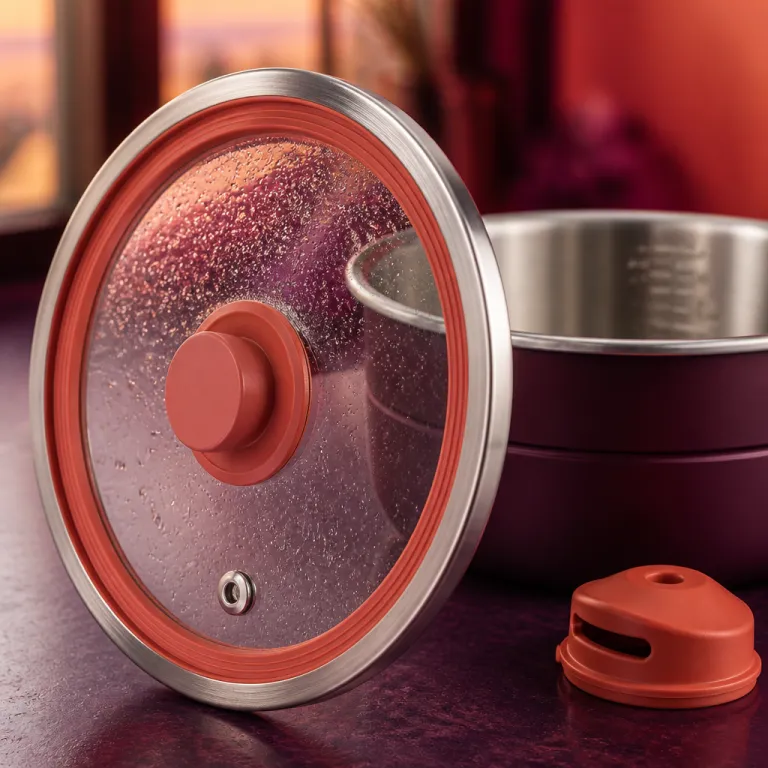
A dedicated glass lid is the rare accessory that makes an instant pot or similar electric pressure cooker dramatically more versatile. With a snug glass lid you can slow cook, simmer, and serve directly from the inner pot without juggling the heavy locking lid or the sealing ring. That single change turns the cooker into a countertop multi cookers setup instead of a single purpose pressure machine.
For everyday cooking, a glass lid shines when you sauté onions, reduce sauces, or keep food warm on buffet mode. You can actually see the surface of the stew or curry, adjust heat before it boils over, and lift the lid free of steam locks because there is no pressure to release. Many home cooks end up using the glass lid more hours per week than the original pressure lid, especially for weeknight pasta, soups, and braises.
Pair that glass lid with flexible silicone lid covers sized for your inner pot and you gain another layer of convenience. After cooking under pressure, you can chill leftovers directly in the stainless steel pot, then cap it with a pot silicone cover that seals without fighting the bulky cooker lid. This makes storing food almost friction free and reduces how often you scrub extra containers and matching plastic lids.
If you own a Farberware electric pressure cooker, a glass lid and silicone covers work especially well with the brand’s straightforward controls and preset cooking programs. When you follow a detailed Farberware pressure cooker user manual and recipe guide, the ability to switch instantly from sealed pressure to open lid simmering keeps recipes flexible. In practice, these lid accessories are pressure cooker accessories worth buying long before you consider more exotic gadgets like an air fryer lid or novelty egg bite molds.
Extra inner pot and stackable inserts: real upgrades for batch cooking
An extra inner pot is the unsung hero of pressure cooker accessories worth buying for anyone who meal preps. With a second stainless steel inner pot ready, you can move from a pot of beans to a batch of rice without washing between, which keeps cooking momentum high on busy Sundays. This simple swap matters more than any flashy cooker accessories because it removes the biggest bottleneck in electric pressure cooking.
Material choice for that spare pot deserves real attention, especially if you bounce between instant pot models and other brands of pressure cookers. A durable stainless steel inner pot resists scratching from metal spoons, tolerates deglazing, and handles high pressure cycles without warping, while cheaper non stick options often peel or stain. If you are unsure which surface suits your style, a detailed comparison of a stainless steel versus non stick inner pot can prevent an expensive regret.
Stackable stainless inserts, sometimes sold as pot in pot systems, take that extra pot idea further. A pair of stainless steel pans on a steamer rack lets you cook protein in one pan and grains in another, all inside the main pot under pressure. When sized correctly for your quart capacity, these inserts turn a single electric pressure cooker into a compact multi cookers setup that handles full meals instead of single dishes.
Recipe books and guides that focus on pot in pot cooking help you use these accessories instant purchases properly rather than guessing. A good instant pot cookbook will spell out which rack height, pan size, and steamer basket configuration works for layered dishes like curry with rice or meatloaf with potatoes. Resources such as this guide to exploring the world of Instant Pot cookbooks can steer you toward authors who actually test pot accessories instead of just listing them.
Steam diverters, racks, and baskets: solving real world cooking annoyances
Steam diverters exist for one specific problem, and they solve it well when used correctly. If your electric pressure cooker lives under upper cabinets, a diverter clips onto the lid and channels the pressure release away from wood and paint. That makes this small piece of silicone one of the pressure cooker accessories worth buying for apartment kitchens and compact spaces.
Outside that scenario, a steam diverter is mostly cosmetic, so treat it as optional rather than essential. You can always slide the cooker forward on the counter before releasing pressure, which costs nothing and protects cabinets just as well. The key is to avoid letting a cute silicone dragon or rocket shaped diverter distract you from more impactful cooker accessories like a sturdy steamer basket or a reliable glass lid.
Racks and baskets, by contrast, earn their keep in almost every kitchen. A well built steamer rack lifts food above water for gentle cooking, while a deep steamer basket handles vegetables, dumplings, and eggs without dumping them into the bottom of the pot. Look for stainless steel construction, welded joints instead of flimsy wire bends, and handles that stay upright when you lift a full basket from a 6 quart or 8 quart cooker.
Egg racks and silicone molds for egg bites can be useful if you actually cook those recipes weekly. If you only make egg bites once a season, they become clutter, especially when a regular pan or small basket can handle eggs for everyday cooking. When you evaluate racks, baskets, and diverters on Amazon, ignore the accessory bundle hype and ask whether each piece will see weekly use in your own pot pressure routine.
Springform pans, air fryer lids, and what to skip without regret
Some pressure cooker accessories worth buying are unapologetically niche, and the springform pan is the best example. A snug fitting springform pan sized for your cooker’s quart capacity turns the instant pot or similar electric pressure model into a gentle water bath for cheesecakes. It also handles layered casseroles, lasagna, and dense breads that benefit from moist heat rather than the dry blast of air fryers.
For many home cooks, that springform pan will come out a few times per month, which is enough to justify its space if you love baking. Choose stainless steel over thin aluminum, check that the latch feels firm, and test the fit inside your inner pot with the steamer rack in place before committing. If you rarely bake, though, this pan slides from specialty tool into drawer ballast, so be honest about your habits before chasing every accessories instant trend.
Hybrid lids that promise to turn a pressure cooker into an air fryer sound tempting but often under deliver. Dedicated air fryers circulate air more efficiently, and most air fryer lids feel top heavy on a standard pot, especially when the original lid and sealing ring already handle pressure duties well. Unless counter space is extremely tight, you are usually better off pairing a modest standalone air fryer with a solid electric pressure cooker instead of forcing one appliance to do everything.
Some items are easy skips no matter how persuasive the Amazon listing looks. Silicone mitts duplicate what a normal oven mitt already does, branded trivets add nothing beyond the free trivet that ships with most pressure cookers, and extra sealing rings are only necessary if you cook very strong flavors like curry or garlic several times per week. When you focus your budget on a glass lid, an extra inner pot, a quality steamer basket, and one or two specialty pans, you end up with a lean kit of cooker accessories that actually earn their drawer space.
Reading recipes and manuals to get full value from your accessories
Even the smartest pressure cooker accessories worth buying will disappoint if you rely on guesswork. Recipe books and user guides written specifically for electric pressure models explain how to adjust time, liquid, and rack height when you introduce a steamer basket, springform pan, or stackable inserts. That guidance keeps you from undercooking rice beneath a pan of chicken or overcooking vegetables trapped in a deep basket.
Look for cookbooks that clearly label which recipes use pot in pot methods, which require a glass lid instead of the locking lid, and which assume a certain quart size. Good authors specify whether to place a pan on a low steamer rack or suspend a basket above the water line, and they mention when a silicone sling or trivet is necessary for safe lifting. This level of detail separates serious pressure cooker writing from generic cooking content that treats every cooker as interchangeable.
User manuals for specific brands, such as Farberware or Instant Pot, also matter more than most people admit. They explain how the sealing ring behaves under different pressure settings, how the lid vents during quick release, and how much water your inner pot needs beneath a rack or basket to avoid burn warnings. When you respect those constraints, your accessories instant purchases work with the cooker instead of fighting its safety systems.
Over time, you will build a small personal library of trusted guides that match your exact cooker, your favorite pot accessories, and your preferred cooking style. That combination of tested recipes, clear manuals, and carefully chosen tools turns an electric pressure cooker from a single recipe gadget into a flexible weekday engine. In the end, the best accessory is not the newest pan or rack but the confidence to use the gear you already own for fast, relaxed, home cooking.
FAQ
Are glass lids safe to use on an electric pressure cooker?
A glass lid is safe on an electric pressure cooker as long as you only use it in non pressure modes such as sauté, slow cook, or keep warm. The locking pressure lid with its sealing ring must always be used for any program that builds pressure. Treat the glass lid as a convenience tool for open pot cooking and serving, not as a replacement for the safety engineered pressure lid.
How many inner pots do I really need for meal prep?
Most home cooks who batch cook benefit from owning two inner pots for a single electric pressure cooker. One stainless steel pot can hold a finished dish in the fridge while the second pot handles another recipe, which keeps your cooker working instead of waiting in the sink. Beyond two pots, extra pieces usually sit unused unless you run multiple pressure cookers at the same time.
Is a steam diverter necessary for every kitchen setup?
A steam diverter is only necessary if your pressure cooker vents directly under cabinets or shelves that could be damaged by repeated blasts of hot steam. In open counter spaces, you can simply slide the cooker forward before releasing pressure and skip the diverter entirely. Think of it as a targeted solution for tight layouts rather than a universal must have accessory.
Which accessories should I buy first for a new pressure cooker?
For a new electric pressure cooker, start with a glass lid, a quality stainless steel steamer basket, and possibly an extra inner pot matched to your quart size. These three items improve everyday cooking far more than novelty molds or oversized accessory bundles. Once you know your habits, you can add a springform pan, stackable inserts, or silicone lids if they solve specific cooking problems in your kitchen.
Do I need special recipe books for pot in pot and accessory cooking?
Specialized recipe books for pot in pot methods and accessory use are not mandatory, but they dramatically shorten the learning curve. Well tested guides explain how to layer pans on a steamer rack, how much water to add under a basket, and how to adjust timing when you cook multiple components together. If you plan to use several accessories regularly, a focused cookbook or brand specific manual is a worthwhile companion.