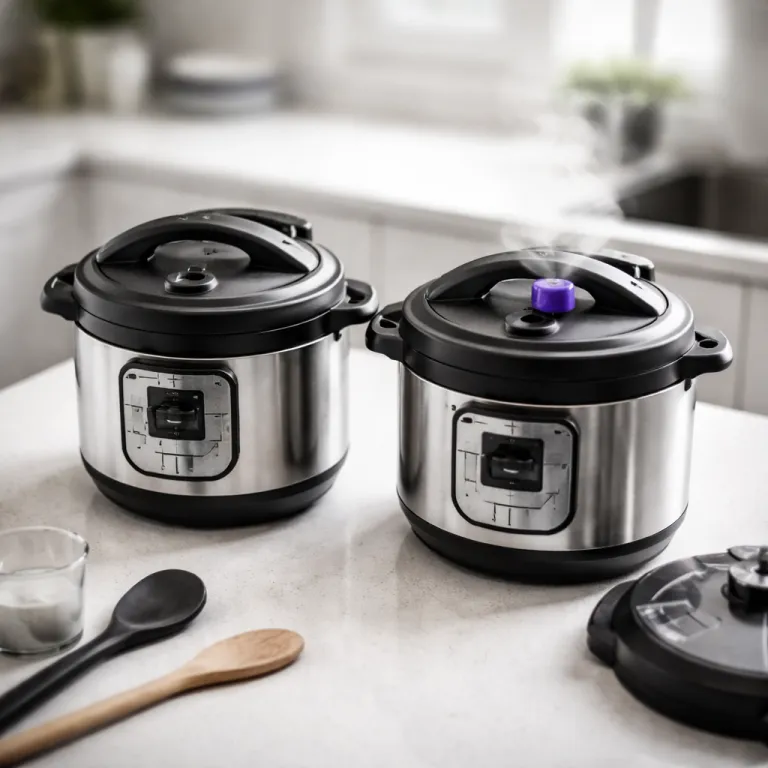
Why pressure release methods matter more than you think
TL;DR: Use natural release for large cuts of meat, beans, and grains; use quick release for vegetables, seafood, and anything that overcooks easily. A hybrid method (10 minutes natural release, then quick release) works best for many mixed dishes like stews and casseroles.
When people compare pressure cooker natural release vs quick release, they are really asking about control. The way you release pressure in an electric pressure cooker changes cooking time, texture, and even safety, because steam carries huge stored energy that either keeps cooking food or stops the cook instantly. If you understand what each release method does inside the pot, you will cook more confidently and avoid the most common beginner mistakes.
Inside every modern pressure cooker, trapped steam raises pressure and pushes the boiling point of water well above 100 °C. When the cook time ends, that same pressure and steam can either escape through the release valve in a quick release, or stay in the pot for a natural release that lets temperature and pressure fall slowly while food continues gentle cooking. Think of the cooker as a tightly sealed pot that can either behave like a slow, low oven during a natural release phase, or like a fast cooling chamber when you release pressure quickly and open the lid as soon as the float valve drops.
Natural release means you do nothing after cooking and you simply wait for the float valve to fall, which can take 10 to 30 minutes depending on pot pressure and volume. Quick release means you turn the release valve from seal to vent to let steam escape in a strong jet, which drops pressure in a few minutes and will stop pressure cooking almost immediately. Both methods work in any Instant Pot–style electric pressure cooker, but the right release method for each recipe depends on whether you want carryover cooking or you want to halt the cook before vegetables, grains, or meat turn mushy.
| Method | Best for | Typical wait time | Advantages | Drawbacks |
|---|---|---|---|---|
| Natural release | Roasts, pulled pork, beans, lentils, dense grains, thick stews | 10–30 minutes | Gentle finish, more tender meat, less foaming, safer for starchy liquids | Longer total time, can overcook delicate vegetables |
| Quick release | Vegetables, seafood, pasta, layered dishes, staged recipes | 2–5 minutes | Stops cooking fast, protects texture, precise timing | More risk of sputtering, not ideal for very full or foamy pots |
| Hybrid release | Mixed dishes with meat and vegetables, many one-pot meals | 10 minutes natural, then 1–3 minutes quick | Balances tenderness and texture, reduces foaming before venting | Requires more attention and timing |
| Food | Recommended release method | Typical cook + release time* |
|---|---|---|
| 2–3 lb beef or pork roast | Full natural release | 45–60 min cook + 15–20 min release |
| Dried beans (soaked) | Full natural release | 20–30 min cook + 15–20 min release |
| White rice | 10 min natural, then quick | 3–8 min cook + 10 min release |
| Broccoli or green beans | Immediate quick release | 0–2 min cook + 2–3 min release |
| Whole chicken | 10–15 min natural, then quick | 20–30 min cook + 10–15 min release |
| Seafood (fillets or shrimp) | Immediate quick release | 1–5 min cook + 2–3 min release |
*Times are typical ranges drawn from major electric pressure cooker manuals and USDA cooking guidance; always confirm with your specific model’s instructions.
The science of natural release and when to use it
Natural release is the gentler option in the pressure cooker natural release vs quick release debate. When you leave the pot on keep warm or simply powered off, the internal pressure and steam slowly fall while the food keeps cooking at a gradually dropping temperature, which is perfect for large cuts of meat and dense grains. During this time, the float valve stays up, the lid will not open, and the cooker pressure decreases without any need to touch the release valve or force the lid.
For roasts, pulled pork, and braised meat, a full natural release lets protein fibers relax instead of seizing, so the meat will stay moist and tender rather than turning stringy. If you used quick release on a big roast, the sudden pressure change can squeeze juices out of the meat, and the rapid drop in pot pressure can also cause starchy liquid to spurt through the release valve. That is why many pressure cooker manuals recommend a natural release phase of at least 10 to 20 minutes for meat recipes, especially when the pot is near its maximum fill line.
Natural release also helps with foamy foods such as beans, lentils, and some grains, because slower pressure release reduces the risk that foam will clog the release valve or the small channels around the float valve. U.S. Consumer Product Safety Commission recall notices for several multi-cookers have highlighted how blocked vents and defeated safety systems can lead to sudden lid failure, which is why manufacturers stress that you must never cover or force the valve. Treat natural release as your default release method for soups with beans, thick stews, and any recipe where a few extra minutes of gentle cooking will only improve flavor and texture.
When quick release is the better choice
Quick release shines when you want to stop pressure cooking fast to protect delicate textures. In the pressure cooker natural release vs quick release comparison, vegetables are where quick release clearly wins, because they can overcook in just a few extra minutes under high pressure and steam. If you are pressure cooking broccoli, green beans, or mixed vegetables in an Instant Pot, a full natural release can turn them dull and soft while a quick release keeps them bright and crisp tender.
To perform a safe quick release, you carefully turn the release valve from seal to vent with a long utensil, keeping hands and face away from the jet of steam. The float valve will drop once the cooker pressure has fallen to normal, and only then should you open the lid, tilting it away from you so remaining steam does not hit your face. Manufacturer instructions and USDA food-safety guidance both warn against trying to release pressure by forcing the lid or pressing down on the pot, because trapped steam and high pressure can cause dangerous eruptions of hot liquid.
Quick release is also useful for staged recipes where you add ingredients in layers, such as a chicken and rice dish where the chicken needs more cook time than the vegetables. You might pressure cook frozen chicken in an Instant Pot first, then use a quick release to open the pot and add faster cooking ingredients, as explained in many step-by-step frozen chicken safety guides. In these cases, the quick release method gives you precise control over total cook time and prevents delicate ingredients from spending extra minutes under cooker pressure they do not need.
Hybrid releases, food by food rules, and real world timing
Real home cooking rarely fits into a simple pressure cooker natural release vs quick release chart. Many electric pressure cooking recipes work best with a hybrid release method, where you let the pot natural release for 10 minutes, then perform a controlled quick release to finish dropping pressure. This 10 minute natural release followed by a quick vent is especially useful for mixed dishes that contain both meat and vegetables.
For example, a beef stew in an Instant Pot benefits from some carryover cooking during a partial natural release, which lets collagen break down while the pot pressure falls slowly. After about 10 minutes, you can turn the release valve to vent and release pressure quickly, which stops the cook before the vegetables turn mushy and keeps the sauce from reducing too far. Soups and thinner stews are flexible, because either a full natural release or a quick release will work, with natural release concentrating flavor slightly as steam condenses back into the pot.
Grains and beans are where you should lean hardest toward natural release, because foam and starch can easily reach the release valve and float valve if you vent too fast. A full natural release of 15 to 20 minutes will usually settle the contents, reduce bubbling, and make any later quick release much calmer and safer. When you plan cook time for these recipes, remember to add those extra minutes of pressure release to your schedule, because the total time at high temperature is cook time plus at least part of the release phase.
Safety first: how to release pressure without fear
Safety anxiety about pressure release is the main reason many people hesitate to use electric pressure cookers. The good news is that modern pot pressure systems, especially in brands like Instant Pot and other multi-cooker models, include multiple layers of protection such as a locking lid, a float valve, and a spring loaded release valve. If you respect those parts and never try to bypass them, both natural release and quick release are safe methods for everyday pressure cooking.
Always check that the release valve is set to seal before you start cooking, because an incorrectly positioned valve will leak steam and prevent the cooker from reaching full pressure. During cooking, the float valve rises to show that the cooker pressure is high and the lid is locked, and it will only drop once you either perform a quick release or wait for a full natural release. If the float valve has not dropped, the pot is still under pressure, so you must not try to open the lid or force any kind of manual release by prying or pushing.
When you are ready to release pressure, keep your hands, face, and cupboards clear of the steam path, because the jet of steam can be hot enough to cause burns or damage finishes. Turn the release valve slowly toward vent for a quick release, or leave it alone for a natural release, and remember that the keep warm setting will slow cooling and extend the minutes needed for pressure release. If you are choosing your first electric pressure cooker and want to understand which safety features matter most, look for models whose manuals clearly describe the release method, list tested cooking times, and reference USDA or national food-safety temperature guidelines.
- Before cooking, confirm the sealing ring is seated, the lid is locked, and the release valve is set to seal.
- Never fill above the maximum line, and stay below half full for beans, grains, and other foamy foods.
- Keep your hands, face, and overhead cabinets out of the steam path during any quick release.
- Wait for the float valve to drop fully before opening the lid, and always tilt the lid away from you.
- If liquid sputters from the valve, close it, wait a few minutes, then vent in short bursts.
Buying guide: pressure cooker safety tips for first time owners
Choosing between pressure cooker natural release vs quick release is only one part of staying safe with electric pressure cooking. When you shop for pressure cookers, look for models with a clearly labeled release valve, an easy to read float valve, and a lid that locks automatically whenever the cooker pressure rises. A good pot will also have a stainless steel inner pot with clear volume markings, which helps you avoid overfilling and reduces the risk that hot liquid will reach the release valve during a quick release.
Before your first recipe, read the manual section on release method options and practice using the controls with only water in the pot. Bring the cooker to pressure, let it run for a short cook time, then test both a full natural release and a controlled quick release so you can see how the steam behaves and how many minutes each approach adds to total cooking time. This simple water test builds muscle memory for how to turn the valve, how long the float valve takes to drop, and how the pot sounds as it releases pressure.
Quick troubleshooting checklist for sputtering or foaming: if you notice liquid spraying from the valve during a quick release, immediately turn the valve back toward seal to pause venting; wait 2 to 3 minutes for bubbling to subside; check that the pot is not above the maximum fill line; then resume venting in short bursts until the float valve drops. During everyday cooking, respect the maximum fill line, especially for foods that foam, and never cover the release valve with a towel or any object that could block steam. Over time, you will learn which recipes benefit from a full natural release, which need a fast quick release, and how a calm, patient approach to releasing steam will keep both you and your kitchen safe.
FAQ
How do I decide between natural release and quick release for a new recipe?
Think about whether extra heat will help or hurt the food. Tough cuts of meat, beans, and dense grains usually benefit from a natural release, because the gentle drop in pressure continues cooking and tenderizing them. Delicate vegetables and seafood do better with a quick release, which stops pressure cooking fast and protects texture.
Is quick release safe for every pressure cooker?
Quick release is safe on modern electric pressure cookers as long as you follow the manual and keep your hands and face away from the steam. Always check that the float valve has dropped before opening the lid, and never try to block or redirect the steam with a towel. If your cooker sputters liquid during quick release, close the valve, wait a few minutes, and then vent in shorter bursts.
Why does natural release take so many minutes?
Natural release relies on the pot cooling down on its own, so the trapped steam condenses gradually and pressure falls slowly. A full pot at high pressure can hold a lot of heat, which is why natural release can take 10 to 30 minutes depending on volume and recipe. The trade off is that this slow release often improves tenderness and flavor, especially in stews and braises.
Can I switch from natural release to quick release partway through?
Yes, many cooks use a hybrid approach where they let the cooker sit for 10 minutes, then perform a quick release to finish venting steam. This method works well for mixed dishes that contain both meat and vegetables, because it balances tenderness with texture. Always turn the valve slowly when you switch to quick release, and stop if you see starchy liquid sputtering.
What happens if I open the lid before the float valve drops?
You should never try to open the lid while the float valve is still raised, because that means the cooker is still under pressure. Forcing the lid at this stage can cause a sudden release of steam and hot food, which is dangerous. Wait until the float valve drops fully, then open the lid away from your face to let any remaining steam escape safely.