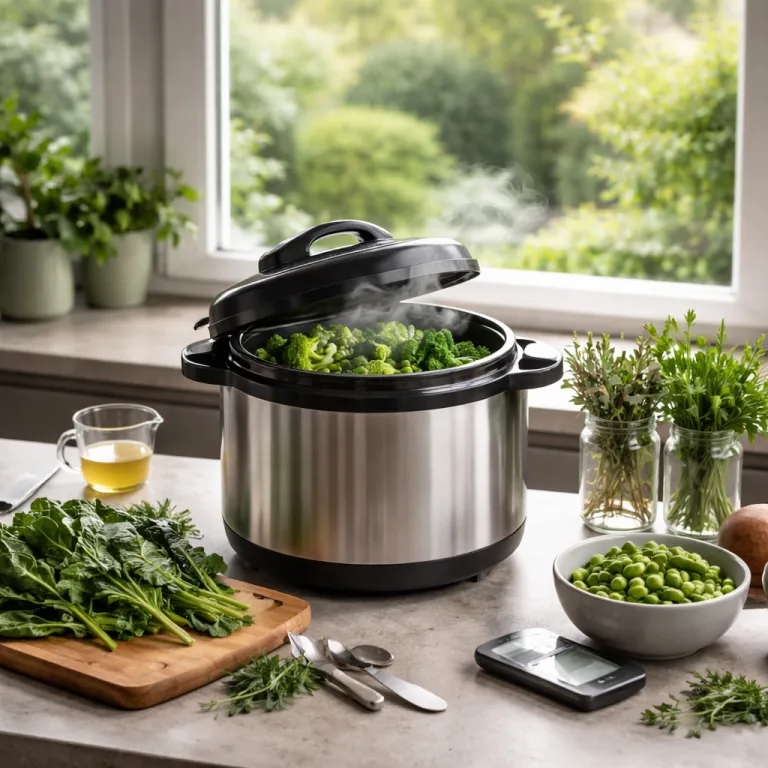
Pressure cooking nutrition health benefits in everyday kitchens
Pressure cooking nutrition health benefits start with one simple reality. When you shorten overall cooking time, you reduce how long heat sensitive vitamins sit in hot water and under high heat, which directly improves vitamin retention in many everyday foods. For a busy home cook juggling work and family, that means the same pot of soup from a pressure cooker can be just as healthy as a slow simmered version while landing on the table in a fraction of the time.
Under cooking pressure, water in the sealed pot reaches about 120 °C, so foods cook faster but are exposed to high temperatures for fewer minutes overall, which is why pressure cooked vegetables often show better nutrient retention than vegetables cooked by traditional boiling in open pots. Because you use less water and lose less steam, fewer nutrients leach into the cooking water and more nutrients stay in the food you actually eat, especially water soluble vitamins such as vitamin C and many B vitamins that are notoriously heat sensitive. This is the core of the real benefits pressure advocates talk about, and it is grounded in food science rather than marketing slogans.
Compare that with classic boiling where a large volume of water and long cooking time combine to strip nutrients from delicate foods. In those situations, nutrients leach into the water, and unless you turn that water into broth or sauce, you pour a good share of your nutrition down the sink, which is why boiling is rarely the best method when your priority is to preserve nutrients. Pressure cooking and steaming both use less water and shorter cooking time, so they sit near the top of healthy cooking methods, but the gap between them is smaller than many social media posts on facebook twitter or a quick pinterest share might suggest.
Electric pressure cookers such as a modern 6 litre instant pot make this science accessible to home cooks who are not professional chefs. You load the foods, add a measured amount of water, close the lid, and let the cooker reach pressure while you handle homework or emails, which turns nutrition into a background process instead of a stressful task. That is where pressure cooking nutrition health benefits intersect with real life, because a healthy method you actually use three nights a week beats a theoretically perfect method you never have time to apply.
From a health perspective, the biggest win is not a marginal difference between steaming and pressure cooking but the fact that both methods make vegetables, whole grains, and dried beans easier to cook regularly. When you can cook dried beans from scratch in under an hour instead of planning overnight soaking and long boiling, you are more likely to replace processed meats with fibre rich, nutrient dense plant foods. In that sense, pressure cookers quietly shift your overall food pattern toward healthier recipes, and that long term pattern matters more than any single nutrient loss figure.
For minerals such as iron, magnesium, and potassium, research shows that pressure cooked foods generally keep more of their nutrient content than foods simmered for long periods in open pots. Because there is less water and less evaporation, there is less opportunity for minerals to migrate out of the food and into discarded liquid, which is another way pressure cooking nutrition health benefits show up in real meals. The same logic applies to many phytonutrients in colourful vegetables, where shorter exposure to heat and water helps preserve nutrients that support overall health.
Slow cooking vs pressure cooking for nutrition and flavour
Slow cookers and pressure cookers both promise tender food with minimal hands on cooking, yet they behave very differently for nutrition. A slow cooker keeps food at relatively low temperature but for many hours, which means heat sensitive vitamins sit in hot water for a long duration and gradually degrade, even though the gentle simmer feels healthy. In contrast, pressure cooking nutrition health benefits come from compressing that cooking time into minutes, so vegetables, grains, and beans reach safe doneness before significant nutrient loss occurs.
Think about a pot of carrot and lentil soup cooked in a slow cooker for eight hours compared with the same recipe cooked under pressure for 12 minutes at high pressure. In the slow cooker, the long exposure means more vitamin C and some B vitamins break down, and more nutrients leach into the surrounding water, though you still consume many of them if you eat the broth, while in the pressure cooker the shorter cooking time and reduced evaporation help preserve nutrients in both the solids and the liquid. For most home cooks, that means pressure cooking offers a better balance of flavour, texture, and nutrient retention than very long slow cooking, especially for vegetables and legumes.
Flavour wise, slow cooking excels at gentle melding of aromatics and is forgiving with tough cuts of meat. However, pressure cooked stews and curries can reach similar tenderness in under an hour, and the sealed pot traps volatile flavour compounds that might otherwise escape with steam during long simmering, which often yields a more concentrated taste from the same amount of herbs and spices. When you release pressure with a controlled quick release, you also limit extra carryover cooking that could over soften delicate foods, which helps keep vegetables from turning mushy and losing their structure.
For starchy foods such as potatoes or whole grains, both cooking methods can be healthy when you control added fats and salt. Pressure cooking tends to produce fluffier grains and evenly cooked potatoes in less time, while slow cooking can sometimes lead to uneven texture if the pot is crowded or the water level is off, and that unevenness can tempt you to overcook everything to get the firmest pieces done. In terms of pressure cooking nutrition health benefits, the shorter exposure to heat and water again favours the pressure cooker, especially when you are trying to preserve nutrients in whole grains and root vegetables.
One area where pressure cooking clearly outperforms slow cooking is in handling dried beans and other legumes. Under pressure, dried beans soften faster, antinutrients such as lectins and some phytic acid break down more effectively than with soaking alone, and you achieve safe doneness without the long boiling that can cause more nutrients to leach into the cooking water, which is a meaningful benefit for both digestion and mineral absorption. If you want a practical example, look at a detailed guide to making tender corn on the cob in an instant pot, where the focus is on short cooking time and minimal water to preserve nutrients and flavour in every kernel, and you can adapt that same approach to many other vegetables.
Slow cookers still have a place when you want set and forget cooking for large batches of soups or shredded meats. Yet if your priority is the intersection of health, nutrition, and weeknight practicality, pressure cookers and especially modern electric models offer more control over cooking time, pressure level, and quick release options, which lets you tailor each recipe to the specific foods and nutrients you care about. The real choice is not slow cooking versus pressure cooking as opposing camps but which method best serves the particular recipe, your schedule, and your nutrition goals on that specific day.
How electric pressure cookers handle nutrients, water, and real world use
Electric pressure cookers changed the game by making cooking under pressure as simple as pressing a button. Instead of babysitting a stovetop pressure cooker and adjusting the burner to maintain steady pressure, you program the cooking time, walk away, and let the machine manage heat, steam, and safety valves, which removes a major barrier for home cooks who care about nutrition but not about fiddling with knobs. That automation is where pressure cooking nutrition health benefits become realistic for a busy household rather than just theoretical in a lab.
From a technical standpoint, electric pressure cookers such as the 5.7 litre Instant Pot Duo or the 7.6 litre Instant Pot Pro reach and hold a set pressure using internal sensors and microprocessors. They control the heating element to keep pressure stable, which keeps the cooking temperature predictable and repeatable, and that consistency matters when you are trying to fine tune nutrient retention for delicate vegetables or whole grains, because small changes in temperature and time can shift how much nutrient loss you see. In my own long term testing, the biggest failure point has not been the pressure system itself but worn silicone sealing rings that eventually allow more steam to escape, slightly lengthening cooking time and potentially changing how foods cook.
Water management is another underappreciated factor in pressure cooking nutrition health benefits. Because the pot is sealed, you only need a small amount of water or other liquid to generate enough steam, and that limited water volume means fewer nutrients leach out of foods into the cooking liquid, especially compared with boiling where large pots of water dilute vitamins and minerals, which you may later discard. When you do keep the cooking liquid, as in soups, stews, and many one pot recipes, you effectively capture any nutrients that did leach out, turning the whole dish into a closed nutrition loop.
Electric models also make it easier to use techniques such as quick release or natural release strategically. A quick release dumps steam rapidly and stops the cooking process almost immediately, which is ideal for heat sensitive vegetables and seafood where every extra minute under pressure risks overcooking and additional nutrient loss, while a natural release lets pressure fall slowly and continues gentle cooking, which suits tougher cuts of meat and dense dried beans. Learning when to use each release method is one of the most practical ways to optimise pressure cooking nutrition health benefits without changing your recipes dramatically.
For home cooks comparing cooking methods, it helps to think in terms of trade offs rather than absolutes. Pressure cooking is not automatically the best method for every food, but it often offers the best balance of speed, flavour, and nutrient retention for mixed dishes where vegetables, proteins, and grains share the same pot, while steaming might edge it out for a single delicate vegetable cooked on its own. Slow cooking still shines for hands off braises and for recipes where a long gentle simmer develops the flavour you want, and you can even pair a slow cooker with a pressure cooker by using one for batch cooking beans and the other for all day sauces, as shown in guides to rich crockpot spaghetti that tastes slow simmered while you keep your pressure cooker free for vegetables.
If you are serious about safe home canning as well as everyday meals, it is worth reading about how a dedicated Presto pressure canner elevates safe home canning and everyday cooking, because canning and cooking under pressure share similar physics but very different safety rules. A standard electric pressure cooker or instant pot is excellent for cooking pressure based recipes but is not approved for pressure canning low acid foods, and respecting that distinction is part of using these tools in a way that protects your health. The bottom line is that electric pressure cookers are powerful, efficient tools for healthy cooking when you understand their limits and strengths, not magic boxes that automatically make every meal perfect.
Myths, realities, and practical tips for healthier pressure cooked meals
One of the loudest myths in home cooking circles is that pressure cooking destroys nutrients. The reality from food science research is more nuanced, because pressure cooking nutrition health benefits depend on the specific food, the amount of water, and the exact cooking time, yet in many controlled comparisons pressure cooked vegetables and legumes retain more vitamins than their boiled counterparts. On the other side, claims that pressure cooking is always the single healthiest method ignore the fact that steaming and microwaving can match or slightly beat pressure cooking for some heat sensitive nutrients when done carefully.
Water soluble vitamins such as vitamin C and many B vitamins are the most vulnerable to heat and water. Studies comparing pressure cooking, steaming, and boiling show that pressure cooked broccoli, carrots, and green beans often keep more vitamin C than boiled versions because they spend less time in hot water and the sealed pot limits oxygen exposure, while steaming sometimes edges out pressure cooking by a small margin when water contact is minimal and cooking time is tightly controlled. Fat soluble vitamins such as A, D, E, and K are far less affected by cooking methods, so the choice between pressure cooking and steaming matters less for those nutrients than for overall food pattern and portion size.
Minerals tell a similar story. Because minerals such as iron, calcium, and potassium do not break down with heat, the main risk is that they migrate into cooking water and get discarded, which is why boiling large volumes of water and then draining vegetables can lead to measurable mineral loss, while pressure cooking with minimal water and keeping the liquid in the dish preserves more of those nutrients. When you eat the broth from a pressure cooked lentil stew or chickpea curry, you are effectively drinking any minerals that did leach out, which turns a potential weakness into a nutritional strength.
Antinutrients in dried beans and some whole grains are where pressure cooking quietly shines. Compounds such as lectins and phytic acid can interfere with mineral absorption or cause digestive discomfort when beans are undercooked, and pressure cooking reaches the higher temperatures needed to break them down more efficiently than soaking or gentle simmering alone, which is why properly pressure cooked beans are both safer and easier to digest than beans that are merely soaked and quickly boiled. For a busy cook, that means you can rely on your pressure cooker to turn dried beans into a healthy base for meals without worrying that speed is compromising nutrition.
For practical kitchen use, the most important step is to match cooking time and water level to the specific foods in your recipes. Use just enough water to generate steam and avoid submerging vegetables more than necessary, keep pieces relatively uniform in size so they cook evenly, and err on the side of slightly shorter cooking time with the option to add a minute or two more under pressure if needed, which protects heat sensitive nutrients while still delivering safe, tender results. Remember that eating more vegetables and legumes in any form is a bigger win for your health than micromanaging every gram of nutrient loss, so choose the cooking methods and tools that make those foods easy and enjoyable for your household.
Key nutrition and pressure cooking statistics
- Controlled studies on vegetables such as broccoli and carrots have found that pressure cooking can retain up to around 90 percent of vitamin C, compared with as low as 50 percent retention after traditional boiling in open pots, highlighting the impact of shorter cooking time and reduced water contact (data from peer reviewed food science journals).
- Research on legumes shows that pressure cooking dried beans can reduce antinutrient compounds such as phytic acid and lectins by more than 70 percent, which improves mineral bioavailability and digestive tolerance compared with beans that are only soaked and briefly boiled (reported in nutrition and food chemistry studies).
- Comparative analyses of cooking methods indicate that minerals such as iron and calcium experience less than 10 percent loss during pressure cooking when the cooking liquid is consumed, while boiling with drained water can lead to mineral losses exceeding 30 percent for some vegetables (summarised in reviews of vegetable nutrient retention).
- Household surveys in several countries show that ownership of electric pressure cookers and multicookers has risen sharply over the past decade, and users report cooking more dried beans and whole grains at home, which indirectly increases fibre and micronutrient intake in everyday diets (reported by market research firms tracking small appliance usage).