
Summary
Editor's rating
Is it good value for money?
Looks, controls and what it’s like to handle day to day
Ease of use, daily hassle and noise
Build quality, inner pot and long-term feel
How it holds up over time
How it actually cooks: speed, results and learning curve
What the Digi Cooker actually offers in real life
Pros
- Strong pressure cooking performance for meat, beans, stews and stocks in much less time than the hob
- Non-stick 6L inner pot is easy to clean and big enough for batch cooking
- Good overall durability and value for money, with many users using it for years
Cons
- Instruction manual is confusing, so first uses involve trial and error
- Lid and valve area are a bit fiddly to clean and can wear slightly after heavy long-term use

Specifications
View full product page →| Brand | Bertelin |
A multi cooker that actually gets used, not stored
I’ve had various kitchen gadgets over the years that ended up living in the back of a cupboard. When I picked up the Bertelin Digi Cooker, I expected the same story: big promise, lots of buttons, and then forgotten. Instead, this one has stayed on the counter and I’ve used it several times a week. It’s a 6L electric pressure cooker that also does slow cook, sauté, steam, rice, yogurt and a few other modes. Basically, it’s trying to be your main pot with a plug.
In practice, the thing that really makes it useful is the pressure cooking and sauté functions. The rest is nice to have, but those two are what make weekday cooking easier. I can throw in tough cuts of meat, beans, or a whole chicken and get something properly cooked in under an hour without babysitting a pan. The 6L size is enough for batch cooking, which is good if you cook once and eat the same meal over a few days.
It’s not perfect though. The manual is confusing, and the first few uses are a bit of trial and error, especially with the preset modes. Also, like most pressure cookers, the lid is more annoying to clean than the inner pot. After a while you just accept that you’ll never get every hidden nook spotless and you focus on the parts that touch food directly.
Overall, my feeling is: it’s a practical workhorse, not a fancy gadget. If you want something that looks high-tech and holds your hand with recipes and apps, this isn’t it. If you mainly care about getting stews, beans, rice and basic dishes done faster and in one pot, it does the job pretty well for the price.
Is it good value for money?
In terms of price versus what you get, I’d call this good value, especially if you actually use the pressure and sauté functions regularly. It sits below the big-brand multi cookers like Instant Pot in price, but offers similar core functions: pressure cook, slow cook, steam, rice, sauté, yogurt, etc. You don’t get app integration or fancy recipe guidance, but if you’re comfortable figuring things out yourself, you’re not really missing anything essential.
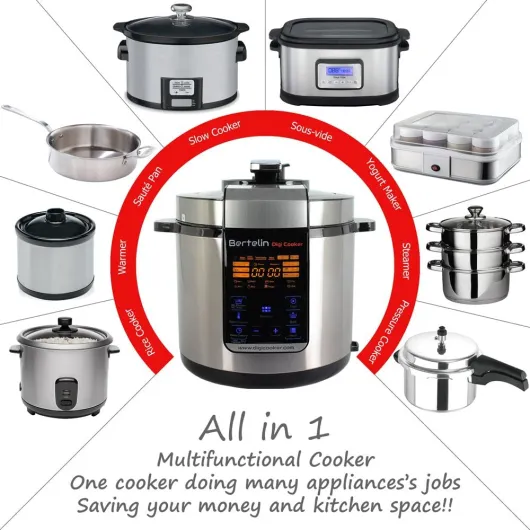
Where the value really shows is if you use it to replace other appliances. For example, you can ditch a separate slow cooker, basic rice cooker and maybe even cut down your oven use for some dishes. It’s one pot to clean, it speeds up tough cuts and beans, and it helps with batch cooking. If you’re someone who cooks in bulk (big stews, curries, sauces to reheat over several days), the time and gas/electricity you save adds up over time.
On the flip side, if you’re only going to use it occasionally to cook one type of dish, the value drops. Also, you need to factor in that the manual is badly written, so you’ll spend some time learning by doing. If that kind of trial and error annoys you, you might be better off paying more for a cooker with better documentation or a huge ecosystem of recipes and videos.
Overall, I’d say: for a reasonably priced 6L multi cooker, it delivers a lot. It’s not fancy, but it’s practical. If you’re willing to learn how it behaves and you cook stews, beans, rice and stocks often, it’s money well spent. If you just want something plug-and-play with handholding and recipes out of the box, you might want to look at a higher-priced, more mainstream competitor.
Looks, controls and what it’s like to handle day to day
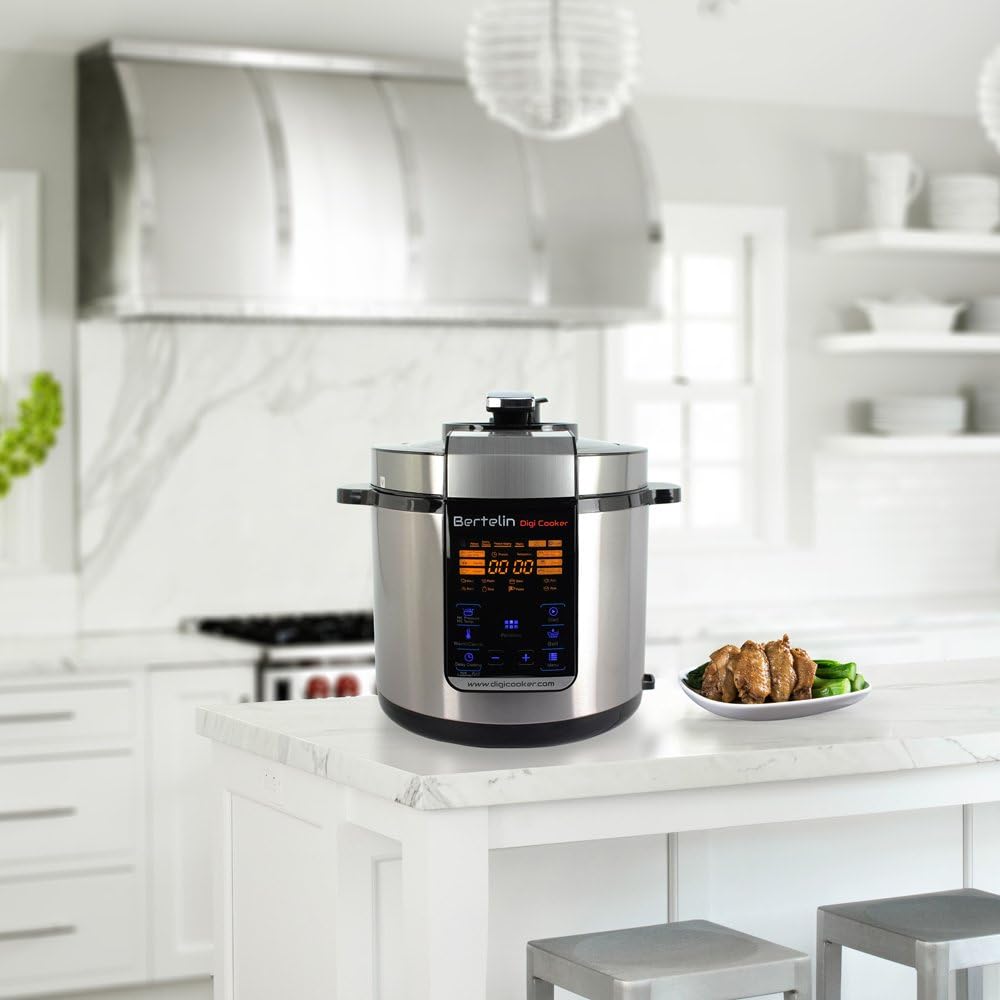
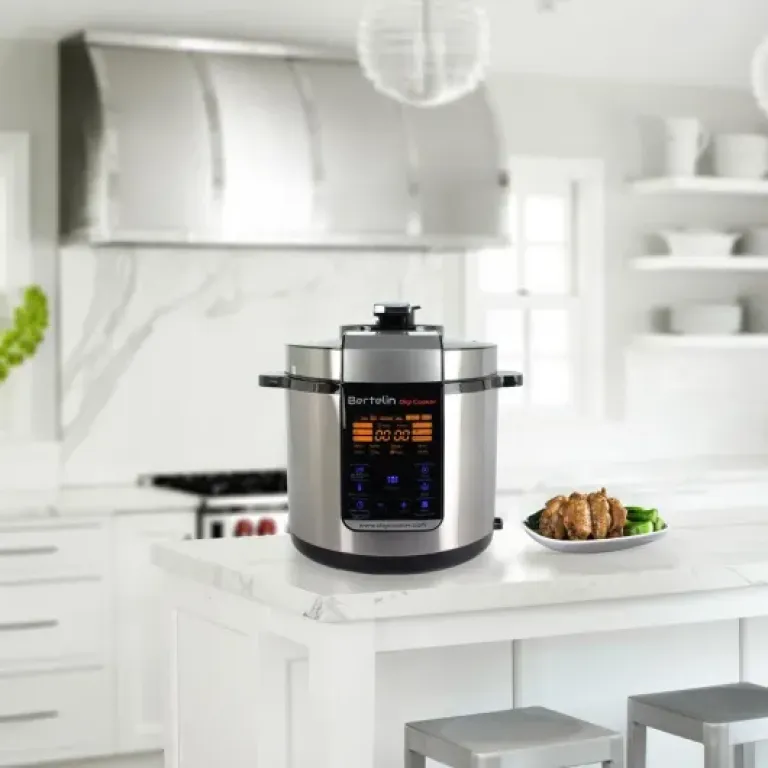
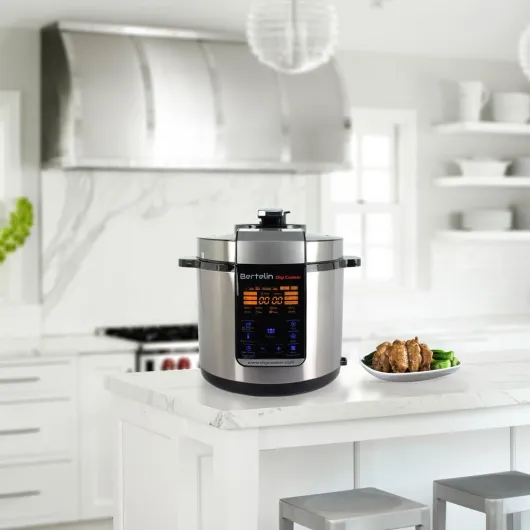
Design-wise, the Digi Cooker is pretty standard for this type of appliance. It’s a black and silver stainless steel cylinder, about 30 x 35 x 34 cm, and weighs just over 5 kg. It’s not tiny, so if you’ve got a small kitchen you’ll need to decide if it lives on the counter or gets dragged out of a cupboard each time. Personally, I’ve left it out, because once you get used to it, it’s easier to use this than multiple pans.
The control panel is push-button with a basic digital display. No fancy colour screen, no app, just straightforward buttons: presets for meat, poultry, beans, rice, etc., plus time and pressure settings. At first, the layout looks a bit busy, especially since the manual doesn’t really guide you in a friendly way. But after a few sessions of pressing the wrong thing and checking what happens, it becomes clear enough. You quickly learn to ignore some presets and just use your favourites.
The lid has a locking mechanism and a pressure valve that you twist to vent or seal. That part is important: the sticker showing where to align the valve isn’t perfect, so I had to run a test with just water to see exactly where “sealed” is. After that, it was fine, but it’s the kind of thing that could confuse someone who’s never used a pressure cooker before. The child lock on the control panel is a nice touch if you’ve got kids pressing buttons.
In everyday handling, lifting the inner pot in and out is easy, the handles stay cool enough, and the footprint is reasonable for a 6L cooker. It’s not a piece of decor, but it looks decent and neutral on the counter. If you want a flashy design, this isn’t it. If you just want something that looks tidy and functional, it fits that bill.
Ease of use, daily hassle and noise
In terms of comfort, I’d say this: once you’ve got past the first learning curve, it’s easy to live with. The actual cooking process is mostly hands-off. You throw things in, select the mode and time, and it does its thing. It automatically switches to keep warm afterwards, which is handy if you’re distracted or late back to the kitchen. The delayed timer is also useful if you want beans or a stew ready when you get home, though I’d be cautious using it with meat for long delays.
The first few uses are where the “comfort” drops a bit. The instruction manual is badly written and not very clear, so you’re almost forced to use trial and error, or look up similar recipes for Instant Pot and adapt them. I had a couple of times where I wasn’t sure if it was actually under pressure or just heating, and I had to watch the steam valve closely. Once you’ve figured out the valve positions and how the display behaves under pressure, that stress goes away, but it’s not plug-and-play for total beginners.
Noise-wise, it’s pretty tame. There’s the usual hiss when it’s building or releasing pressure, but it’s not outrageous. If you do a quick release, it vents a strong jet of steam, so you need to keep it away from cupboards and don’t lean over it. That’s more basic pressure cooker common sense than a fault of this model. During normal operation it just quietly ticks away in the background without needing attention.
Overall comfort: very decent once you know what you’re doing. It saves you from hovering over pots, it keeps food warm without drying it out too much, and it frees up hob space. Just be prepared for a slightly awkward first week while you ignore the manual and figure it out yourself. After that, it becomes one of those appliances you don’t think about, which is kind of the point.
Build quality, inner pot and long-term feel
The cooker feels pretty solid for the price. The outer shell is stainless steel with plastic trim, and the whole unit has a decent weight to it (just over 5 kg), which gives a bit of confidence that it’s not completely flimsy. The lid mechanism feels secure when you lock it, and the locking lid plus child safety lock on the panel adds a bit of peace of mind if you’re worried about kids fiddling with it.
The inner pot is non-stick coated metal, not bare stainless steel. That’s good for cleaning and for things like rice or stews that might otherwise stick, but you do have to be careful with metal utensils. I stuck to wooden or silicone spoons to avoid scratching it. After long-term use, some users report a bit of wear on the coating but still mostly non-stick, which is about what I’d expect at this price level. If you’re paranoid about coatings, this might annoy you, but in daily use it’s very convenient.
The slightly weaker point is the lid assembly and the small parts around the valve and seals. Like most electric pressure cookers, there are gaskets, a valve, and small nooks where condensation and bits of food can get trapped. The materials themselves seem fine, but after years of use you can expect some wear: for example, one user mentioned that after four years of daily use, the pressure sometimes doesn’t set unless they push the lid down slightly. That’s not shocking for something used every day, but it’s worth noting if you want a cooker to last a decade without any quirks.
Overall, the materials and build are good enough for regular home use. It feels more solid than some cheap no-name pots, but obviously it’s not premium pro-level gear either. If you treat the inner pot gently and clean the lid and seals regularly, it should hold up well for several years of normal cooking.
How it holds up over time
Durability is actually one of the nicer surprises with this cooker. There are user reports of 3–4 years of daily use with it still going strong, which is not bad at all for an appliance in this price range. One person used it pretty much every day, including steaming, pressure cooking, and reheating, and only after several years did they start seeing small issues with the lid sealing perfectly every time. Considering they bought it for under £60 back then, that’s fair value.
From what I’ve seen and read, the parts most likely to show age are:
- The rubber sealing ring in the lid, which may eventually need replacing like on any pressure cooker
- The non-stick coating on the inner pot, which can wear a bit if you’re rough with utensils or scrubbers
- The lid locking and pressure detection that might get a bit picky after years of heavy use
The electronics and heating element seem to hold up reasonably well. There aren’t many reports of the unit dying outright after a short period, which is usually the red flag with cheaper brands. The fact that long-term users are rebuying the same brand instead of jumping ship says a lot more than the marketing blurb. Still, it’s not indestructible: if you regularly forget to add water or let it boil dry, you’re obviously pushing your luck.
So in plain terms: it feels like a solid mid-range appliance. Not something you’ll pass on to your grandkids, but also not something that dies after six months. If you use it a few times a week and take basic care, I’d expect several years of use without major drama. For the price and feature set, that’s a pretty fair deal.
How it actually cooks: speed, results and learning curve
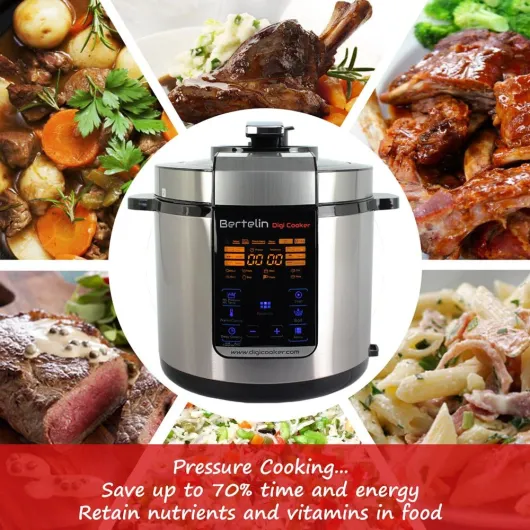
Performance is where this cooker justifies its space. The pressure cooking is strong. Tough cuts of beef that would take 2–3 hours on the hob turn tender in about 35–45 minutes total, including pressure build time. Same with things like ham hocks or chicken thighs: 15–20 minutes at high pressure and they come out properly cooked, soft and easy to shred. Beans from dry (no soaking) are usually done in 30–45 minutes, which is very handy if you forget to plan ahead.
The sauté mode heats up fast enough to brown onions, garlic and meat directly in the pot. It’s not as strong as a gas hob on full blast, but for most home cooking it’s fine. The main benefit is no extra pan to wash. I often do: sauté onions and spices, add meat and liquids, then switch straight to pressure mode. Less mess, less time. For steaming, it works well, but the included steamer tray is a bit small if you’re cooking for more than one person. With an extra folding steamer basket, you can stack more veg or dim sum in there and make better use of the space.
Results-wise, meat dishes, curries, stews and stocks come out very good for the effort involved. Chicken stock in particular comes out thick and gelatinous in a fraction of the usual time, which is great if you cook soups or sauces regularly. Veg steamed under pressure develop a nice sweetness after about 10 minutes plus a few minutes resting. Soups and bean desserts sometimes need a quick blend at the end because the beans stay more intact than on the hob, but that’s not really a problem, just a difference in texture.
The downsides on performance: the manual is vague, so your first week is basically trial and error, and you do need to respect the minimum water requirements or you risk it going dry. Also, building and releasing pressure takes time, so a “15-minute recipe” is more like 30 minutes door to door. Still, compared to slow cooking all day or hovering over pans, the overall time and effort saving is real. Once you’ve figured out your usual timings, it becomes a very practical bit of kit.
What the Digi Cooker actually offers in real life
On paper, the Bertelin Digi Cooker is packed: pressure cooker, slow cooker, steamer, sauté, sous vide (via the boil function), yogurt, cake, rice, pasta, soups, beans, and a few more presets. The capacity is 6 litres, 1000W power, and it runs on 240V. It has a metallic black and silver finish, push-button control panel, and a locking lid with a child lock. That all sounds nice, but the key question is: what do you actually end up using?
In day-to-day use, I found myself mostly using these modes:
- Pressure cook / Meat / Stew for stews, curries, bolognese, beans and stocks
- Sauté to brown onions and meat before pressure cooking
- Steam for vegetables and dim sum
- Rice for basic rice without thinking too much
- Keep warm and the delayed start when I wanted food ready for later
The more niche stuff like yogurt, cake or sous vide is doable, but you need to be willing to experiment a bit. The manual doesn’t walk you through those in a friendly way, so you’ll probably end up searching online or copying Instant Pot style recipes and adjusting times. It’s capable, but it doesn’t hold your hand.
So in practice, I’d describe it as a solid all-round electric pot that covers the basics very well and can do fancy things if you’re motivated. If your main goal is to cut down cooking time and washing up, it delivers. If you bought it purely for the yogurt or cake mode, you’ll probably need some patience and a bit of trial and error to get consistent results.
Pros
- Strong pressure cooking performance for meat, beans, stews and stocks in much less time than the hob
- Non-stick 6L inner pot is easy to clean and big enough for batch cooking
- Good overall durability and value for money, with many users using it for years
Cons
- Instruction manual is confusing, so first uses involve trial and error
- Lid and valve area are a bit fiddly to clean and can wear slightly after heavy long-term use
Conclusion
Editor's rating
The Bertelin Digi Cooker is a no-frills, very capable electric multi cooker that focuses on doing the basics well: pressure cooking, sautéing, steaming and batch cooking. It doesn’t have the polish or ecosystem of some bigger brands, and the manual is frankly poor, but once you get over that first hurdle, it becomes a reliable workhorse in the kitchen. Tough meats, beans, stocks and stews come out well, and the non-stick inner pot makes cleaning straightforward. The 6L capacity is plenty for families or for cooking once and eating the same meal over a few days.
It’s best suited for people who actually cook regularly and want to save time and washing up, not for gadget collectors. If you’re happy to experiment a bit and maybe grab recipes online, you’ll get a lot out of it. If you want clear, hand-holding instructions and a super intuitive interface from day one, this will probably annoy you. Durability looks decent for the price, with users reporting several years of regular use before any minor issues show up.
In short: solid, practical and good value, with the main drawbacks being the confusing manual and slightly fiddly lid cleaning. If you primarily want a dependable pressure cooker and all-in-one pot at a fair price, it’s a good pick. If you’re picky about documentation, coatings, or want something more polished, you might prefer paying extra for an Instant Pot or similar.