Why pressure cooker recall history now matters as much as features
Pressure cooker brand safety recall history used to be a niche concern for product liability lawyers, not for everyday home cooks. That changed when several electric pressure cookers were linked to serious injuries, burns, and repeated cases where a lid opened while the pot was still under high pressure. If you are buying your first pressure cooker, you now have to weigh convenience against a brand’s willingness to fix defective designs before more consumers are injured.
Electric pressure cookers promise fast stews, tender beans, and hands off cooking, but the same pressure that softens chickpeas can also turn hot contents into a burn hazard if the safety systems fail. Recent recall cases show that when a defective pressure control valve or lid lock does not work, the cooker can spray scalding liquid and cause burn injuries ranging from minor redness to second third degree burns. The pattern is clear across multiple products and brands, including Gourmia pressure cookers, certain Instant Pot style models, and large multi cookers like the Ninja Foodi series.
What changed the conversation was not just the number of injuries but the way some companies resisted recall efforts from the United States Consumer Product Safety Commission. When a brand refuses a recall, injured consumers are left navigating cooker lawsuit options, warranty fine print, and complex product liability rules instead of receiving a straightforward repair or refund. That resistance turns a simple kitchen product into a test of corporate safety culture, and it should influence which pressure cookers you trust on your countertop.
The most worrying defect pattern involves the lid opening while the cooker is still pressurized, sometimes described in reports as a lid open failure under load. In these cases, the pressure inside the pot can blast hot contents toward the user, causing severe burns to the face, chest, and arms. When you read about cooker injury reports, you will see the same phrases repeated across lawsuits and CPSC cases, which suggests that multiple manufacturers made similar design tradeoffs around lid locks and float valves.
For a first time buyer, this can feel overwhelming, especially when marketing focuses on presets instead of safety engineering. The key is to treat pressure cooker brand safety recall history as a core buying criterion, right alongside capacity and price. A brand that cooperates quickly with a recall and redesigns a defective lid mechanism is showing you how it will behave if something goes wrong with your own cooker.
Capacity still matters, of course, and you should match the size of your pressure cooker to your household and cooking style. A detailed comparison of 6 quart versus 8 quart pressure cookers can help you understand how pot volume affects pressure build up, steam release, and the amount of hot contents that could escape if a lid open defect occurs. When you weigh those factors together with recall history, you get a clearer picture of which cookers are genuinely safer for everyday use.
When brands say no to recalls: gourmia, Best Buy, and the new safety fault line
The most striking recent example involves Gourmia pressure cookers sold through major retailers, where the CPSC issued a warning after identifying a burn hazard but the companies initially refused a recall. In that case, roughly tens of thousands of units were flagged because the lid could allegedly be rotated and opened while the pot was still under pressure, creating a direct path to burn injuries. For consumers who owned that product, the refusal meant living with a cooker that federal regulators considered defective, without the usual recall remedy of repair, replacement, or refund.
Best Buy sits at the center of another chapter in pressure cooker brand safety recall history, because it both sold Gourmia units and marketed its own Insignia pressure cookers. Insignia models eventually faced recalls after dozens of reported injuries, including burns from hot contents erupting when users opened the lid believing the pressure had fully released. Those cases show how a single retailer can be involved in multiple defective pressure cooker situations, raising questions about how aggressively it vets cookers before putting them on shelves.
When a brand or retailer resists a recall, your options narrow quickly, and you move from customer service channels into the realm of product liability and cooker lawsuit strategies. Some injured consumers have filed lawsuits alleging that the cooker’s lid lock, float valve, or pressure sensor was defective, leading directly to burns and other serious injuries. Others have pursued class action cases that bundle many cooker injury claims together, arguing that the company knew about the burn hazard but failed to act promptly.
For a first time buyer, the legal details matter less than the pattern of behavior you can observe from the outside. A company that cooperates early with the CPSC, issues a recall, and clearly explains the defective component is signaling that safety comes before short term sales. A company that disputes regulator findings, minimizes injuries, or blames consumers for using the cooker incorrectly is effectively asking you to accept more risk every time you lock the lid.
Reading the instruction manual carefully is still essential, because even a well designed pressure cooker can cause injury if misused. If you want a model specific example of how safety steps are communicated, a detailed guide to understanding the Farberware pressure cooker instruction manual shows how reputable brands explain pressure release, lid locking, and maximum fill lines. When you compare that level of clarity to the vague or confusing manuals that sometimes accompany cheaper cookers, you start to see how documentation itself becomes a safety feature.
In practical terms, you should now research both the cooker you want and the company’s past behavior whenever injuries or burns have been reported. Search for the brand name alongside terms like recall, burn hazard, and product liability cases to see whether lawsuits or CPSC actions have surfaced. That extra half hour of research can prevent you from bringing home a pot whose lid design has already been linked to severe burns and ongoing cooker injury litigation.
Design flaws that keep repeating: lids, valves, and invisible pressure
Across many pressure cooker lawsuits and CPSC cases, the same design weaknesses appear again and again, regardless of whether the product is a budget multicooker or a premium instant pot style device. The most common pattern involves a lid lock that can be defeated while pressure remains inside the pot, either because the float valve is hard to see or because the mechanism allows partial rotation before pressure fully drops. When that happens, the cooker can vent hot contents suddenly, turning steam and liquid into a jet that causes burn injuries in a fraction of a second.
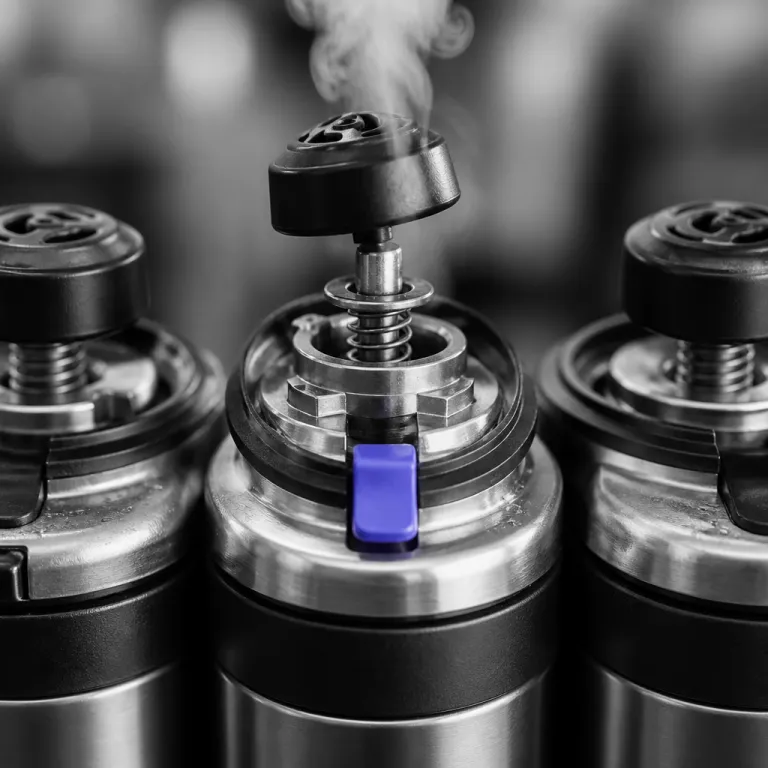
In some defective pressure cooker designs, the float valve that indicates pressure is still present sits behind a dark plastic shroud or under a lip of the lid, making it difficult for consumers to confirm whether it has dropped. Other cookers rely on electronic sensors and software to prevent a lid open event, but those systems can fail if the sensor is miscalibrated or if food debris blocks the vent. When you read through injury reports, you will notice how often injured users say they believed the pressure had fully released before they attempted to twist the lid.
Multi cookers like the Ninja Foodi series and other sharkninja pressure models add complexity by combining air frying, sautéing, and pressure modes under a single lid assembly. That complexity can create more potential failure points, especially if the gasket, pressure valve, and locking ring are not robust enough to handle repeated heating cycles. When those parts wear prematurely, a once safe cooker can become a defective pressure risk, even if it passed initial testing when new.
Instant Pot branded pressure cookers have their own safety architecture, with multiple redundant valves and a clearly visible float pin, and that design has generally performed better in independent testing. Still, no pressure cooker is immune to misuse, overfilling, or blocked vents, and even an instant pot can cause burns if the user forces the lid or ignores maximum fill lines. The point is not to crown a single best cooker but to understand how specific design choices affect your margin of safety when something goes wrong.
For anyone who plans to pressure can or cook large batches, it is worth studying how traditional stovetop designs handle pressure and lid locking. A detailed explanation of the Presto pressure canner manual shows how long established brands communicate safe operating ranges, vent cleaning, and gasket inspection schedules. Those principles translate directly to electric pressure cookers, where regular maintenance of the lid, gasket, and valves can significantly reduce the risk of cooker injury incidents.
When you compare different pressure cookers, pay close attention to how easy it is to see the float valve, how firmly the lid locks, and whether the cooker physically prevents you from opening it under pressure. A good design makes it almost impossible to twist the lid open until the internal pressure has dropped to a safe level, even if you are impatient after a long cook. A poor design leaves that decision to you, turning a moment of distraction into a potential source of severe burns or even third degree injuries.
How to factor recall behavior into your first pressure cooker purchase
If you are standing in a store or scrolling online, trying to choose your first pressure cooker, it is tempting to focus on presets and price instead of safety history. Yet the recent wave of burn injuries, lawsuits, and recall disputes shows that pressure cooker brand safety recall history belongs on your checklist right next to capacity and sauté performance. The goal is not to scare you away from pressure cookers but to help you pick a model whose maker treats safety as a core product feature, not an afterthought.
Start by looking up your short list of cookers on the CPSC website, using the search tool to check whether any model numbers match past recalls or safety warnings. If you find a recall, read the notice carefully to see whether the company cooperated quickly, offered clear remedies, and redesigned the defective component, or whether it argued with regulators while more consumers were injured. A cooperative recall with transparent fixes can actually increase your trust in a brand, while a refusal or delay should push that cooker down your list.
Next, search for the brand name alongside terms like burn injuries, cooker lawsuit, and product liability cases to see whether serious injuries have led to court filings. Lawsuits are not proof that a cooker is unsafe by design, but a pattern of similar injury allegations, especially around lid open failures, should make you cautious. Pay attention to whether the company responds by blaming user error or by quietly updating the lid, gasket, or pressure release system in newer models.
When comparing specific brands, look at how they communicate safety in their manuals, on their websites, and in customer support channels. A brand that publishes clear guidance on maximum fill levels, safe quick release techniques, and regular gasket inspection is treating you as a partner in safety, not just a buyer of a shiny pot. That attitude often correlates with better engineering choices, like more visible float valves and more robust lid locks that physically prevent opening under pressure.
Finally, remember that the safest pressure cooker is the one you feel confident using correctly every week, not the one with the longest feature list. If a cooker’s recall history, lawsuit record, or confusing lid mechanism makes you nervous, choose a simpler model from a brand with a cleaner safety record and a more transparent relationship with regulators. In the end, what matters is not the number of cooking modes but whether you can release pressure, open the lid, and serve dinner without wondering if the next hiss of steam will turn into a burn hazard.
Key safety and recall statistics for electric pressure cookers
- Regulatory filings show that some large pressure cooker recalls have involved more than one million units, illustrating how a single defective lid design can affect households across an entire country.
- In several high profile cases, injury reports have included dozens of burn incidents, with a significant share classified as second or third degree burns that required medical treatment rather than simple home care.
- Consumer safety agencies have repeatedly highlighted lid opening under residual pressure as a central defect pattern, emphasizing that even a small design change in the locking mechanism can prevent many serious injuries.
- Legal databases tracking product liability cases indicate that pressure cooker lawsuits have increased steadily over the past decade, reflecting both wider adoption of electric cookers and growing awareness of recall rights.
- Independent testing by consumer advocacy organizations has found that models with clearly visible float valves and robust mechanical lid locks show significantly fewer reported burn injuries than designs that rely mainly on electronic interlocks.