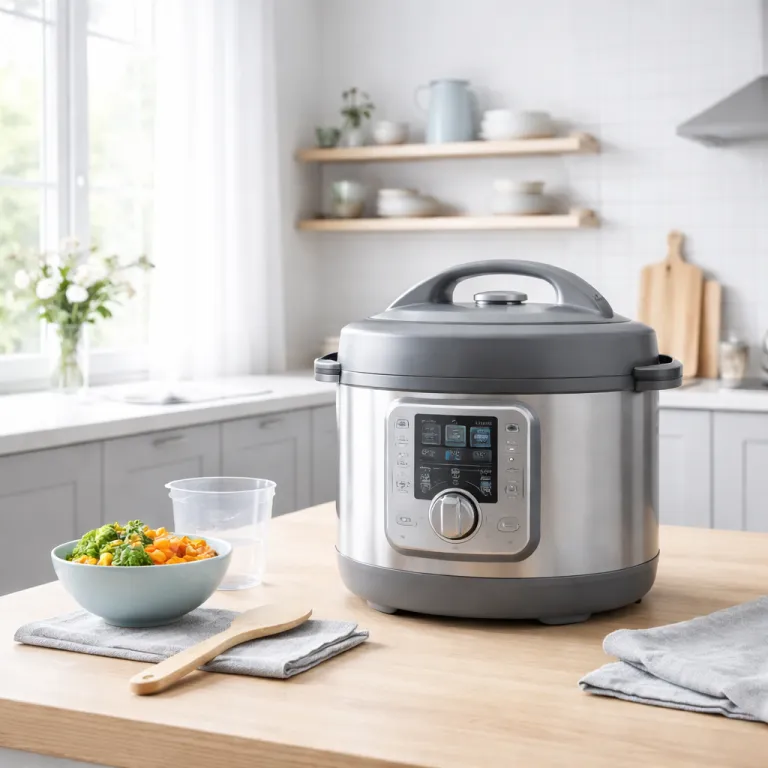

What the Ninja HyperHeat pressure cooker actually changes
The Ninja HyperHeat pressure cooker arrives as a 9 in 1 electric pressure cooker aimed at home cooks who want one pot to handle almost everything. Ninja positions this product as a multi cooker that can pressure cook, slow cook, steam, sous vide, sear saute and even manage rice and pasta in a single stainless steel unit, promising that you will cook faster than with a traditional slow cooker. In this ninja hyperheat pressure cooker review, the focus is on what feels genuinely new in the cooker design and what is simply a reshuffle of existing Ninja Foodi ideas.
The headline feature is the HyperHeat electric system, which pairs standard electric pressure with a more aggressive heating element under the cooking surface to reduce preheat times and keep temperatures stable during sear saute and sauté phases. Ninja claims this hyperheat pressure technology lets you cook faster, up to twice as fast as a conventional slow cooking setup, especially for stews and braises that usually take several hours in a basic pot. In testing with a 1,5 kilogram beef chuck roast, the cooker reached pressure in under eight minutes and finished tender meat in about 55 minutes, which is faster than many rival electric pressure models but not dramatically beyond the best Instant Pot units.
The SimpliServe pot is the other headline item, a removable SimpliServe inner pot designed so you can go from cooker base to table and serve directly pot to plate without dirtying a second dish. This simpliserve pot has a flatter, wider cooking surface than older Ninja Foodi designs, which helps when you want to sear or saute several chicken thighs in a single layer before pressure cooking. The removable simpliserve insert feels sturdy, but the stainless steel rim and handles stay quite hot, so using it as a serving pot requires good oven gloves and a stable trivet on the table.
Capacity wise, the HyperHeat 6,5 litre model can handle a 2,2 kilogram roast or enough rice for a large family, putting it in the same class as the Instant Pot Duo Plus but with a slightly wider pot shape. That wider pot helps when you cook rice or use the rice cooker mode, because starch foam has more surface area to spread out and is less likely to clog the pressure valve. For readers comparing multi cooker options, it sits between budget electric pressure cookers and premium brands like Breville, both in price and in how refined the controls feel under daily cooking pressure.
Real world cooking tests, from rice to sous vide
In everyday use, the Ninja HyperHeat behaves like a competent electric pressure cooker that happens to heat a bit faster and brown more evenly than many rivals. Using the rice cooker program, it turned out consistently fluffy long grain rice in about 22 minutes total, including pressure build and release, which is faster than a basic rice cooker but only slightly ahead of the best Instant Pot models. For readers who care about precise timing, the ability to cook faster is helpful, but the bigger win is that the pot rarely scorches rice on the bottom thanks to that wider cooking surface.
Pressure modes handled beans, risotto and tough cuts well, while slow cooking remained the least impressive function, with results similar to a mid range standalone slow cooker but without the same glass lid visibility. The sous vide setting held water within 1 to 2 degrees Celsius of the target temperature, which is accurate enough for chicken breasts and salmon but not ideal for high end steak where precision matters more. If you want to see how another Ninja Foodi model handles delicate eggs under pressure, a detailed guide on perfecting hard boiled eggs in a Ninja Foodi gives a good sense of how these cookers behave with small, timing sensitive items.
Sear saute performance is where the HyperHeat electric system earns its name, because the pot reaches browning temperature quickly and recovers heat well when you add cold meat. Compared with the Instant Pot Duo Plus, the Ninja HyperHeat sear function produced deeper color on beef cubes in about five minutes less, which matters when you are trying to cook faster on a weeknight. The trade off is that the exterior of the cooker and the stainless steel trim around the lid get warmer to the touch, so families with small children should be careful about where this item sits on the counter.
Color options are limited, but the color blue variant, marketed as blue macaron, stands out in a market dominated by black and silver appliances in the united states. That blue macaron finish looks sharp next to neutral cabinetry, although the rest of the body remains mostly stainless steel and dark plastic. For buyers who care about aesthetics as much as cooking performance, the color blue option may be a small but welcome reason to keep the pressure cooker on the counter instead of hiding it in a cupboard.
SimpliServe pot, price pressure and the recall backdrop
The SimpliServe pot concept sits at the center of Ninja’s marketing for this product, promising that you can move from cooking to serving in one motion. In practice, being able to lift the simpliserve pot and carry it directly pot to table is convenient for family style meals, especially when you are serving rice, stews or slow cooking dishes that stay warm for a long time. However, the lack of a dedicated trivet or heat resistant base in the box means most people will still need a separate board or mat, which undercuts some of the promised simpliserve ease.
From a value perspective, this ninja hyperheat pressure cooker review has to place the HyperHeat model between the Instant Pot Duo Plus at roughly 100 dollars and premium multi cooker options from Breville that can cost around 300 dollars. At 169,99 dollars, the Ninja HyperHeat asks you to pay more than a standard electric pressure cooker for faster preheat times, a SimpliServe pot and a more powerful sear function, but it does not reach the build quality or interface polish of the most expensive brands. For readers who want a broader look at multi cooker competition, a long term test of the Foodi PossibleCooker Pro on a dedicated review of an 8,5 quart multi cooker shows how Ninja’s non pressure models compare in durability and cooking feel.
Any serious ninja hyperheat pressure cooker review also has to acknowledge the OP300 recall in the united states, where about 1,8 million older Ninja Foodi pressure cookers were recalled because of burn risks when the lid was opened while still under pressure. Launching a new hyperheat pressure cooker line while those recalled units are still being processed creates understandable skepticism among buyers who read customer reviews carefully before bringing another electric pressure item into their kitchens. So far, early customer reviews for the HyperHeat mention strong cooking performance and praise for the removable simpliserve design, but they also raise questions about long term reliability and whether Ninja’s star ratings on retailer sites fully reflect those safety concerns.
Compared with the Instant Pot Duo Plus, which has years of field data and hundreds of thousands of reviews, the Ninja HyperHeat remains a newer product with fewer verified stars and less independent testing. For shoppers who prioritise proven safety records over the ability to cook faster or sear better, the older Instant Pot ecosystem still feels like the safer bet, especially for first time pressure cooker owners. If you already own a reliable electric pressure cooker and mainly want stronger sear saute performance, the HyperHeat is a tempting upgrade, but it is not yet the automatic star of the category that marketing might suggest.