Summary
Editor's rating
Value for money: worth the counter space and the price?
Design: big, chunky, but fairly straightforward
Materials and build: mostly solid, with a few plastic bits
Durability and long-term feel
Performance: fast, consistent, but not magic
What you actually get with the Duo 80 8L
Effectiveness in daily life: does it really replace other appliances?
Pros
- Large 8L capacity is great for families and batch cooking
- Stainless steel inner pot with no non-stick coating, feels durable and easy to clean
- Reliable, consistent pressure cooking that saves time on stews, beans and tough cuts
Cons
- Takes up a lot of counter space and is quite heavy to move around
- Silicone ring holds smells and may need replacing or doubling up for sweet/savoury
- Presets are only rough guides and often need manual tweaking for best results
Specifications
View full product page →| Brand | Instant Pot |
| Model Number | 113-0003-01 |
| Colour | Silver,black |
| Product Dimensions | 37.6 x 33.8 x 36.1 cm; 7.2 kg |
| Capacity | 8 litres |
| Volume Capacity | 8 Litres |
| Power / Wattage | 1200 watts |
| Voltage | 220.0 |
An 8L beast in a small kitchen
I’ve been using the Instant Pot Duo 80 8L for a few weeks in a pretty cramped kitchen, so I’ve had time to see if it’s really useful or just another bulky gadget. Short version: it does a lot, it cooks fast, and it can replace a few other appliances if you actually use it regularly. But you need to accept that this thing is big and will basically claim a chunk of your countertop.
What pushed me to try it was the 8L capacity. I cook for 4–5 people most days, and I also like to batch cook for the week. My old hob pressure cooker was fine, but I had to babysit it and deal with the noise and the steam. With this one, I throw ingredients in, hit a program or set manual pressure, and it just does its job. It’s not magic, you still need half a brain to season properly, but it definitely makes weeknight cooking less of a hassle.
It’s rated at 1200 W, so it’s not some weak little gadget. It builds pressure pretty fast for an 8L pot, and the built-in programs (rice, soup, meat, beans, yogurt, etc.) are decent starting points. I ended up mostly using manual pressure and sauté, but the presets are handy when you’re tired or just don’t want to think. There’s a learning curve, especially on timings, but after 3–4 meals you more or less get the hang of it.
Overall, the first impression is: big, solid, kind of intimidating at first, then you realise it’s basically a programmable pressure cooker with extra modes. It’s not perfect and it doesn’t magically cook gourmet food on its own, but for stews, curries, beans, rice and batch cooking, it really does make life easier. If you expect it to fix bad recipes or bad ingredients, it won’t. But if you already know roughly what you want to cook, it speeds things up and keeps the mess under control.
Value for money: worth the counter space and the price?
In terms of value, the Duo 80 8L sits in a middle zone: not cheap, not luxury. Considering the size (8L), the stainless steel inner pot, and the 1200 W power, I’d say the price is fair if you actually use it several times a week. If you only cook occasionally or live alone and hate leftovers, it starts to look less attractive, because it will just sit there taking up space.
What you’re really paying for is: reliable pressure cooking, a big capacity, and the convenience of plug-and-play cooking without watching the hob. If you compare it to buying a separate pressure cooker, rice cooker, slow cooker and steamer, it’s decent value. But let’s be honest: most people wouldn’t buy all those separately anyway. In real life, the question is more: does it save you enough time and hassle to justify the cost and the space? For me, with batch cooking and family meals, yes.
There are cheaper electric pressure cookers out there, but many of them use non-stick inner pots and feel less solid. I’ve tried a cheaper brand before, and the coating started wearing after a year. With the Instant Pot, you avoid that issue, and accessories are easy to find: extra pots, glass lids, spare rings, racks, etc. That ecosystem adds value because you’re not stuck when something small wears out.
If you’re on a tight budget and cook for 1–2 people, I’d look at a smaller size or even a stovetop pressure cooker instead. But if you’ve got a family, cook a lot of stews, curries, beans and rice, and you like the idea of cooking once and eating twice or three times, the Duo 80 8L gives good value for money. It’s not the cheapest option, but it feels like money spent on something you’ll actually use, not just a fancy gadget for show.
Design: big, chunky, but fairly straightforward
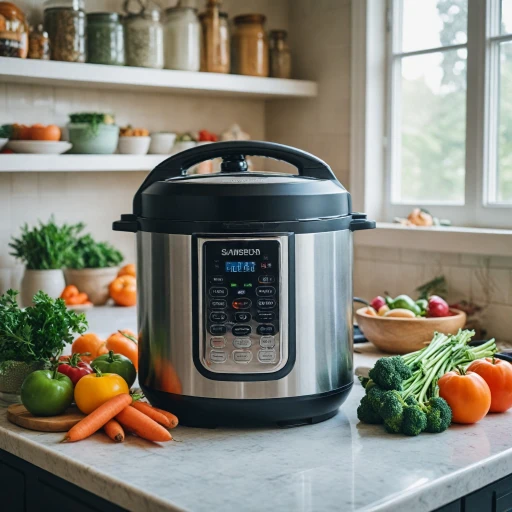
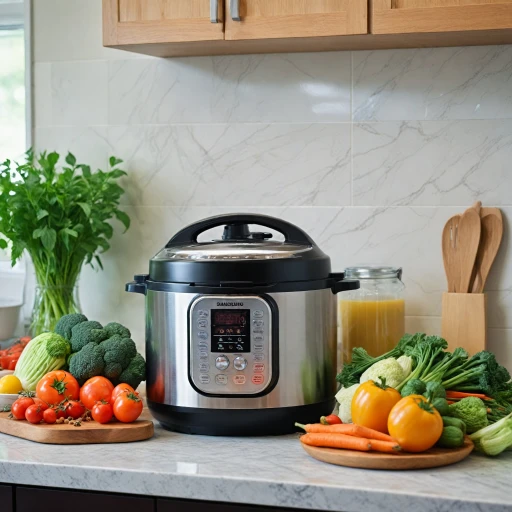
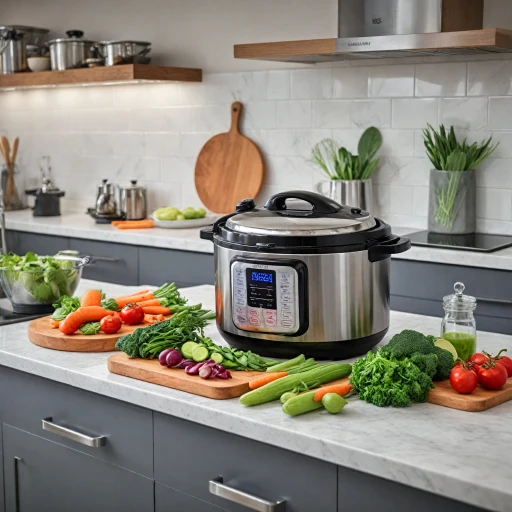
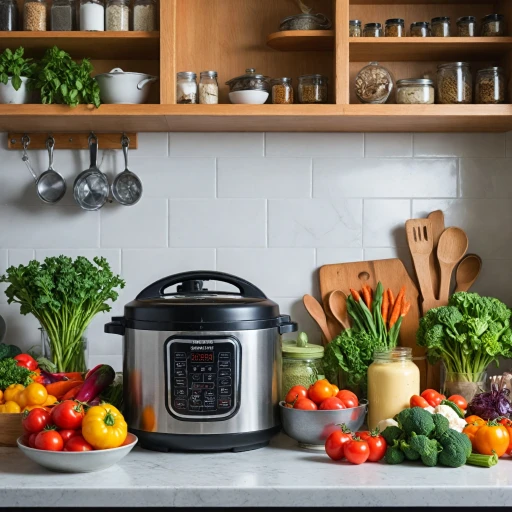
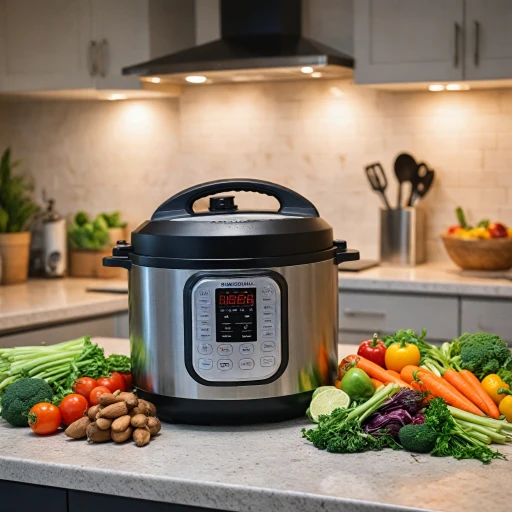
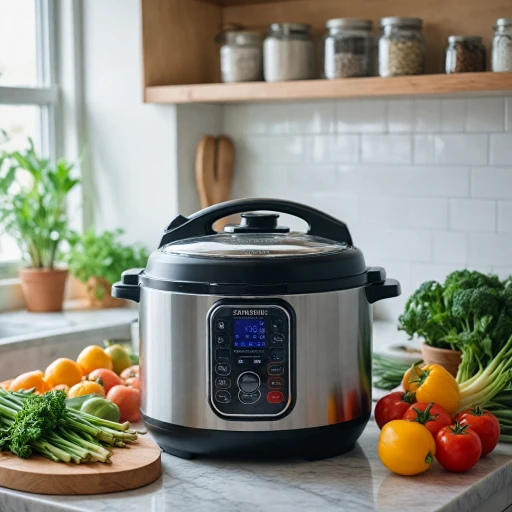
Design-wise, the Duo 80 8L is not subtle. It’s a tall stainless-steel cylinder with black plastic on top and bottom. The finish is fine: not fancy, not cheap-looking either. It’s basically what you expect from an appliance that’s built to be used a lot, not just sit pretty. The stainless steel body does pick up fingerprints, but you wipe it once with a cloth and it’s fine. Nothing here screams premium, but nothing feels flimsy either.
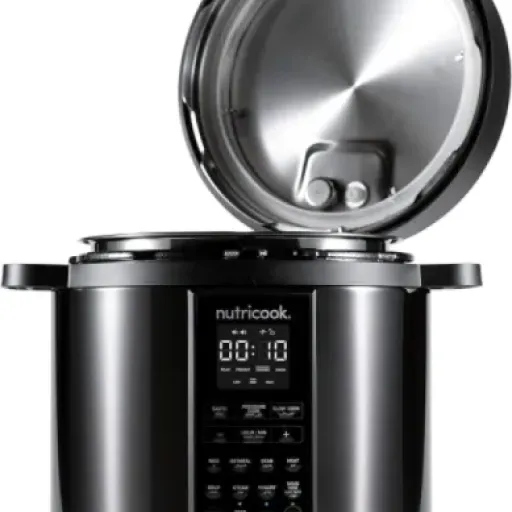
The control panel is where you spend your time. It’s a flat touch panel with clearly labeled buttons. There are a lot of them, which is a bit overwhelming on day one. After a few uses, I mostly stick to: Sauté, Pressure Cook/Manual, Slow Cook, Rice and Keep Warm. The rest are basically presets you can ignore if you prefer setting your own times. The display is bright enough, you can see the timer easily from across the kitchen. I like that it remembers the last settings you used for a program, so you don’t have to re-enter your favourite timing every time.
The lid has the usual Instant Pot layout: steam release valve, float valve, and a handle that doubles as a stand when you want to prop the lid vertically on the side of the pot. That bit is actually handy when you’re stirring or serving. Locking and unlocking the lid is simple: twist to close, twist to open once the pressure is gone. The steam release lever is clear enough, and you get used to the hiss pretty quickly. If you’re noise-sensitive, the quick release is a bit loud, but it’s not worse than a kettle boiling hard.
Space-wise, this thing is not friendly if you have a tiny kitchen. The footprint is roughly 38 x 34 cm, plus you need some clearance around and above for steam. On my small counter, it basically blocks the hob if I place it wrong. So you need to plan where it lives. If you’re tight on space, the 6L model might be easier. The 8L really feels designed for families or people with a bit more counter real estate. That said, if you commit to it and use it several times a week, it earns that space better than a random toaster or gadget that only does one thing.
Materials and build: mostly solid, with a few plastic bits
The main selling point for me on materials is the stainless steel inner pot. No non-stick coating, so no flaking or scratching paranoia. It’s a thick 3-ply bottom, so it sits flat and you can even use it on a hob if you really want to. I tried it once on a gas hob to reduce a sauce faster, and it handled it without warping. For everyday use, I just keep it in the Instant Pot, but it’s good to know it’s not some thin, bendy bowl.
The outer shell is stainless steel with black plastic on the top and bottom. The plastic doesn’t feel cheap, and the handles are sturdy enough to move the 7+ kg machine when it’s empty. I wouldn’t move it around full of hot stew, obviously, but that’s common sense. The lid is also mostly plastic on the outside with the metal pressure plate and sealing ring on the inside. The silicone sealing ring is standard Instant Pot stuff: it works, but it does hold smells. After a few curries, mine definitely smelled of spices, even after washing. That’s normal; if it bothers you, you’ll probably want a second ring for neutral dishes like yogurt or desserts.
All the parts that touch food are either stainless steel or silicone, and they’re dishwasher safe. I’ve put the inner pot and the sealing ring in the dishwasher several times, no problem. The plastic lid I usually wash by hand because of the valves, but it’s not a big job. The rest of the body you just wipe with a damp cloth. I haven’t spotted any weird rust spots, flaking, or loose pieces so far.
Overall, the materials feel like they’re built for regular use, not just occasional Sunday cooking. It’s not luxury gear, but it’s pretty solid for the price bracket. Compared to cheaper electric pressure cookers I’ve seen, the inner pot here is clearly better: thicker, no coating, and it doesn’t feel like it’ll dent if you tap it too hard. If you’re rough on your cookware, this one should cope fairly well, as long as you don’t drop it or slam the lid around.
Durability and long-term feel
I haven’t had this exact unit for years, but I’ve used older Instant Pot Duos before, and they tend to hold up pretty well. This 8L model feels in the same league. The hinges on the lid still feel tight, the handles don’t wobble, and the inner pot hasn’t warped or scratched badly despite metal utensils. The stainless steel bowl is definitely the part that inspires the most confidence; it feels like it will outlive the electronics easily.
The weak spots on these machines are usually the silicone sealing ring and the plastic bits around the lid. The ring stretches a bit over time and absorbs smells. That’s normal and replacements are cheap. I’d almost factor in buying a second ring from the start: one for savoury, one for neutral dishes. The valves and small plastic pieces on the lid seem fine so far, but you do need to clean them regularly if you cook a lot of starchy food, otherwise they can get gunked up. Nothing complicated, just a quick rinse and check.
Heat-wise, after several pressure cycles in a row (I did stew, then rice, then a soup the same day), the exterior never felt dangerously hot. Warm, yes, but not something you burn yourself on accidentally. That’s good both for safety and for the sense that it’s not cooking its own electronics to death. The base is stable and doesn’t feel like it will crack unless you actually drop the whole thing.
Judging by my use and the amount of positive long-term reviews online, I’d say durability is pretty solid for the price. It’s not indestructible – if you slam the lid around or never clean the valves, you’ll eventually run into problems – but for normal family use a few times a week, it feels like it should last several years without drama. The main long-term cost will probably just be replacing sealing rings and maybe buying an extra inner pot if you cook a lot.
Performance: fast, consistent, but not magic
On performance, the Duo 80 8L does what it says. The 1200 W heating element is strong enough to bring a big pot of food up to pressure in a reasonable time. With around half the pot filled (say a big beef stew for 5 people), I usually see it reach pressure in 10–15 minutes. Then the actual pressure cooking time is often 20–40 minutes depending on what you’re doing. So no, it’s not “instant”, but it is faster than doing a slow simmer on the hob for 2–3 hours.
Where it shines is with tough cuts of meat and dried beans. I’ve done cheap beef cuts that normally need 2+ hours on the stove, and they came out tender in about 35 minutes under pressure plus natural release time. Same for chickpeas and other beans: no soaking, just rinse, cover with water, pressure cook, and they come out soft but not mushy once you dial in the timing. It really simplifies those kinds of dishes, and you don’t have to worry about the pot boiling over or burning at the bottom.
The presets are okay but not perfect. For example, the rice program worked fine once I adjusted the water ratio to my taste, but out of the box it was a bit softer than I like. Same with some meat settings: I found them slightly overcooked, so now I usually shave off a few minutes and adjust. The good thing is the cooker is consistent. Once you find a timing that works for your favourite dish, it will repeat it every time. That reliability is what I ended up appreciating the most.
The sauté function has three heat levels. That’s helpful: high for browning meat quickly, medium for onions, low for simmering sauces. It does get hot enough to brown, but it’s not the same as a heavy pan on a gas flame. You need a bit more patience and to stir more often to avoid sticking. It’s fine for “one pot” recipes where you brown then deglaze, but if you’re picky about perfect browning, you might still prefer a pan on the hob for that step.
What you actually get with the Duo 80 8L
The Instant Pot Duo 80 8L is basically a big electric pressure cooker that also acts as a slow cooker, rice cooker, steamer, yogurt maker and general one-pot machine. It’s 8 litres, which is a lot. In practice, that means you can comfortably cook for 5–8 people or batch cook 2–3 dinners in one go. If you live alone, it’s probably overkill unless you really like freezing portions.
On the front, you’ve got a touch control panel with the usual Instant Pot layout: buttons for Soup/Broth, Meat/Stew, Bean/Chili, Slow Cook, Sauté, Rice, Porridge, Steam, Yogurt, Multigrain, Poultry, plus Manual/Pressure Cook, Keep Warm, and the time/pressure adjustments. It looks like a lot, but after a couple of uses you only really use a handful of them and ignore the rest. Most presets are just starting points with a default time and pressure level, nothing magical.
The pot is rated at 1200 W and runs on 220V, so for a UK/EU kitchen it’s straightforward. It weighs about 7.2 kg, which you feel if you move it on and off the counter often. Mine came with the stainless steel inner pot, the standard pressure lid, a condensation collector, and the usual small accessories. No glass lid by default, you need to buy that separately if you want to use it like a normal pot for simmering or keeping food warm on the table.
In day-to-day use, it covers a lot of jobs: I’ve done chili, beef stew, chicken thighs, dried beans without soaking, rice, porridge and a couple of basic soups. It handled all of that without issue. The main thing to understand is that it’s not a frying pan or an oven: crispy textures are not its strength. If you accept that it’s mainly for moist, one-pot style dishes, it makes sense. If you expect roast chicken skin or crunchy potatoes out of it, you’ll be disappointed.
Effectiveness in daily life: does it really replace other appliances?
In everyday use, the big question for me was: does this actually simplify cooking, or is it just another gadget to clean and store? After a few weeks, I’d say it genuinely cuts down on active cooking time for certain dishes, but it doesn’t replace everything. It’s very effective for stews, soups, curries, beans, rice-based dishes, and bulk cooking. For grilled, crispy or baked stuff, you still need an oven, pan, or air fryer.
The “set it and forget it” side is real. For example, I did a beef stew: sauté onions and meat in the pot, deglaze, add veg and stock, lid on, pressure set for 30 minutes, natural release. During that half hour I could clean up, pack lunches, whatever. No stirring, no adjusting the flame, no fear of burning the bottom. Same for chili: once you’ve dumped everything in, you can walk away. That’s where it’s most effective: it frees you from babysitting the pot.
It also has a Keep Warm function that kicks in after cooking. That’s handy when people eat at different times. I left a pot of rice and curry on warm for about 2 hours; the food didn’t burn or dry out. It’s not ideal to leave it for ages, but for a family with different schedules, it’s useful. The slow cook mode is okay, but honestly, if you buy this, you’ll probably use pressure most of the time. Slow cook worked fine for a pulled pork I tried, but it didn’t do anything a cheap slow cooker couldn’t do.
Does it replace other appliances? In my case, it basically pushed my old stovetop pressure cooker into retirement, and I use my hob less during the week. I could probably get rid of a separate rice cooker too, because the rice function is good enough once you learn the right water ratio. But it doesn’t replace the oven or a frying pan. So it’s effective for what it’s designed for, but it’s not some all-in-one kitchen miracle. If you cook a lot of wet, one-pot meals, you’ll use it constantly. If you mostly roast and grill, it’ll collect dust.
Pros
- Large 8L capacity is great for families and batch cooking
- Stainless steel inner pot with no non-stick coating, feels durable and easy to clean
- Reliable, consistent pressure cooking that saves time on stews, beans and tough cuts
Cons
- Takes up a lot of counter space and is quite heavy to move around
- Silicone ring holds smells and may need replacing or doubling up for sweet/savoury
- Presets are only rough guides and often need manual tweaking for best results
Conclusion
Editor's rating
The Instant Pot Duo 80 8L is a big, practical workhorse for people who cook often and don’t mind a chunky appliance living on the counter. It handles stews, soups, beans, rice, curries and batch cooking very well. The stainless steel inner pot, consistent pressure cooking, and simple “set it and walk away” style make weekday dinners easier, especially if you’ve got a family or like prepping meals for the week.
It’s not perfect. It’s large, it won’t give you crispy textures, the presets sometimes need tweaking, and you’ll probably want extra accessories like a second inner pot, a glass lid, and spare sealing rings. But once you get past the first few tries and learn your preferred timings, it becomes one of those appliances you actually use instead of hiding in a cupboard.
If you cook mainly one-pot meals, love leftovers, or often feed 4–6 people, this 8L model makes sense and offers solid value. If you rarely cook, have very limited space, or mostly roast and grill, you’ll be better off with something else or a smaller size. Overall, it’s a pretty solid, no-nonsense cooker that gets the job done without much fuss.