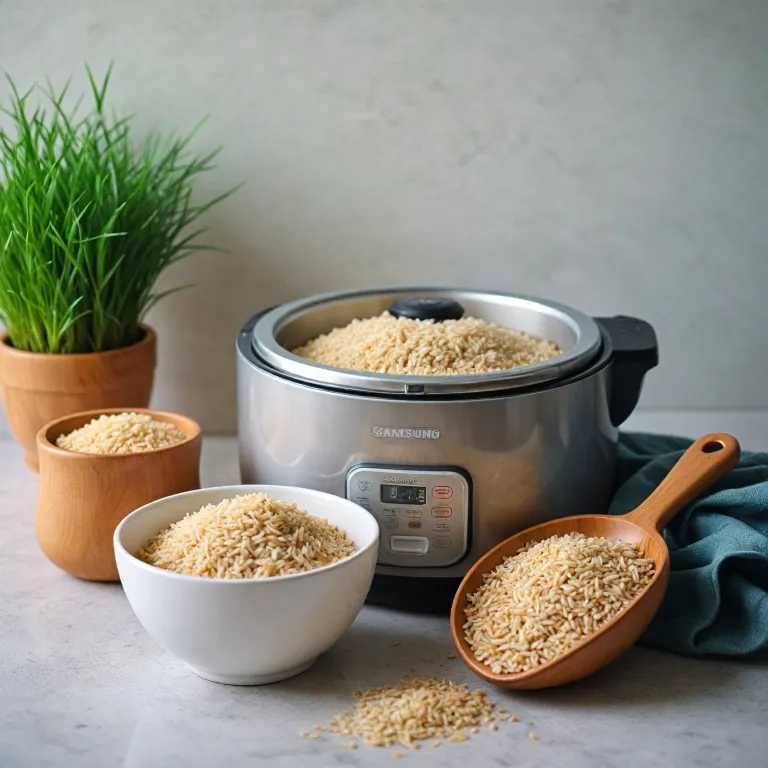

Understanding brown rice and its cooking needs
What Makes Brown Rice Unique?
Brown rice stands out from white rice due to its whole grain nature. Unlike white rice, which has the bran and germ removed, brown rice keeps these nutritious layers. This means it contains more fiber, vitamins, and minerals. The bran layer also gives brown rice its characteristic chewy texture and nutty flavor, making it a popular choice for those seeking a healthier, gluten free grain option in their recipes.
Why Brown Rice Needs Special Attention
Cooking brown rice can be a bit tricky if you’re used to white rice. The outer bran layer makes brown rice grains tougher and less absorbent, so they need more water and a longer cooking time. If you don’t adjust your rice water ratio or cooking time, you might end up with undercooked or overly chewy rice. This is why many people turn to a rice cooker or electric pressure cooker to simplify the process and achieve consistent results.
Choosing the Right Grain for Your Dish
There are different types of brown rice, such as short grain, long grain, and even brown basmati rice. Each variety has its own texture and flavor profile. For example, long grain brown rice tends to be fluffier, while short grain brown rice is stickier and works well in recipes like rice quinoa blends or grain bowls. Knowing which type you’re using helps you select the right water ratio and cooking method for your dish.
Common Questions About Cooking Brown Rice
- How much water should you add for each cup of brown rice?
- Should you rinse rice before cooking?
- What’s the best rice setting on your cooker for brown rice?
- How does cooking brown rice differ from white rice?
These are just a few of the questions home cooks often have. Understanding the basics of brown rice and its cooking needs is the first step to mastering delicious, fluffy brown rice every time. For a more detailed breakdown and a reliable brown rice recipe, check out this guide to perfect brown rice in a rice cooker.
Why use an electric pressure cooker for brown rice
How an Electric Pressure Cooker Changes the Game for Brown Rice
Cooking brown rice can be tricky. Unlike white rice, the outer bran layer on each grain brown makes it tougher and slower to cook. Traditional rice cookers or stovetop methods often leave you with uneven texture or undercooked grains. This is where an electric pressure cooker, like an Instant Pot, stands out.
- Consistent Results: The sealed environment of an electric pressure cooker traps steam and heat, ensuring every cup of brown rice cooks evenly. No more guessing if your rice will turn out chewy or mushy.
- Time-Saving: Brown rice usually takes much longer than white rice to cook. With a pressure cooker, you can cut the cooking time almost in half. This is a big win for busy weeknights or when you want a quick gluten free side dish.
- Hands-Off Cooking: Once you add your rinsed rice and water, select the brown rice or pressure cook setting, and let the cooker do the work. There’s no need to watch the pot or adjust the heat.
- Versatility: Many electric pressure cookers have dedicated rice settings for different grains, including short grain, long grain, and even rice quinoa blends. This flexibility lets you experiment with new recipes and grains without extra guesswork.
For those looking to master brown rice in a rice cooker, check out this guide to perfect brown rice in a rice cooker. It covers tips on water rice ratios, cooking brown rice, and using the right rice setting for best results.
As you move forward, remember that preparing brown rice before cooking—like rinsing rice and measuring water—can make a big difference. The next section will walk you through these important steps to help you get the most out of your cooker brown rice recipe.
Preparing brown rice before cooking
Getting Your Brown Rice Ready for the Cooker
Before you cook brown rice in your electric pressure cooker, a little preparation goes a long way. Brown rice grains have a natural outer layer of bran, which gives them their chewy texture and nutty flavor. This also means they need a bit more attention than white rice before cooking.
- Rinse rice thoroughly: Place your brown rice in a fine mesh strainer and rinse under cold water. Swirl the grains with your hand until the water runs mostly clear. This step helps remove excess starch and any dust, preventing the rice from becoming gummy.
- Measure your rice and water: For most brown rice recipes, the standard ratio is 1 cup of brown rice to 1 1/4 cups of water in an electric pressure cooker. This ratio can vary slightly depending on the brand or type of brown rice (short grain, long grain, or basmati rice). Always check your cooker’s manual for specific recommendations.
- Soak if you have time: While not required, soaking brown rice for 15-30 minutes can help soften the grains and reduce cooking time. This is especially helpful for tougher varieties like long grain brown rice or brown basmati rice.
- Don’t forget to check your cooker: Make sure the inner pot is clean and dry before adding your rinsed rice and water. If your cooker has a brown rice or whole grain setting, use it for best results. If not, the regular rice setting will work, but you may need to adjust the cooking time.
For those looking to experiment, you can also add a pinch of salt, a splash of oil, or even a bay leaf to the rice water for extra flavor. If you’re interested in effortless meals, check out this guide to effortless cooking with an Instant Pot for more inspiration.
Once your brown rice is prepped, you’re ready to move on to the cooking process. Having your rice paddle and measuring cup handy will make things easier. Remember, preparing your grains well is the first step to a perfect gluten free brown rice dish every time.
Step-by-step guide to cooking brown rice in a rice cooker
Getting the Right Rice-to-Water Ratio
For brown rice, the water ratio is crucial. Unlike white rice, brown grains need more water and time to cook properly. A common recipe is to use 1 cup of brown rice to 2 cups of water. This ratio works for most electric pressure cookers, but always check your cooker’s manual for specific guidance. If you’re cooking short grain or long grain brown rice, the ratio stays the same, though some people add a bit more water for softer grains.
Prepping Your Cooker and Ingredients
- Rinse rice thoroughly under cold water. This removes excess starch and helps prevent sticky grains.
- Drain well before adding to the cooker.
- Add the measured water to the cooker bowl with the rinsed rice.
- If you want to enhance flavor, add a pinch of salt or a splash of oil. For a gluten free dish, ensure all add-ins are certified gluten free.
Setting Up Your Electric Pressure Cooker
- Close the lid securely and set the steam release valve to the sealing position.
- Select the “brown rice” or “multigrain” setting if your cooker has one. If not, use the manual or pressure cook setting.
- Set the cooking time: typically 22 to 25 minutes at high pressure for most brown rice recipes. Short grain brown rice may need a minute or two less, while long grain or basmati rice may need the full time.
Letting the Pressure Release Naturally
Once the cooking time is up, let the pressure release naturally for at least 10 minutes. This helps the grains finish cooking and prevents excess sticking. After 10 minutes, you can carefully open the steam valve to release any remaining pressure.
Finishing Touches and Serving
- Open the lid and fluff the rice with a rice paddle or fork. This separates the grains and improves texture.
- If you find excess water, let the rice sit uncovered for a few minutes on the “keep warm” setting.
- Serve as a side dish, or use as a base for rice quinoa bowls, stir-fries, or other recipes.
With these steps, you’ll get perfectly cooked brown rice every time in your electric pressure cooker. Don’t forget, every cooker is a bit different, so you may need to adjust water or time slightly for your favorite rice recipe.
Troubleshooting common issues with brown rice
Why is my brown rice too hard or chewy?
One of the most common issues when you cook brown rice in a rice cooker or electric pressure cooker is ending up with grains that are too firm. This usually happens if there isn’t enough water or the cooking time is too short. Brown rice, especially long grain or short grain brown rice, needs more water than white rice. Try adding a quarter to half a cup more water per cup of rice next time. Also, make sure you use the correct rice setting if your cooker has one for brown rice. Letting the rice sit for 10 minutes after cooking can also help the grains soften.
Why is my brown rice mushy or sticky?
If your brown rice turns out mushy, you probably added too much water or cooked it for too long. Unlike white rice, brown rice grains need a careful balance of water and time. Double-check your rice to water ratio. For most recipes, 1 cup of brown rice to 2 cups of water works well, but some cookers brown rice settings may need slight adjustments. Always rinse rice before cooking to remove excess starch, which can make the dish sticky.
Why is there water left in the cooker after cooking?
Leftover water in the cooker usually means the cooking cycle was too short or the lid wasn’t sealed properly. Make sure you use the correct setting for brown rice, not the white rice setting. If your cooker has a gluten free or rice quinoa setting, check the manual for recommended times. If the problem persists, let the rice sit with the lid closed for another 5-10 minutes after the cooking time ends. The grains will absorb the remaining water.
Why does my brown rice burn or stick to the bottom?
Burning or sticking often happens if there’s not enough water or if the cooker’s heating element is too hot. Always use the recommended water rice ratio and avoid opening the lid during cooking. Some recipes suggest adding a teaspoon of oil to the rice and water before cooking, which can help prevent sticking. Using a rice paddle instead of a metal spoon to serve can also protect the nonstick surface of your cooker.
How can I fix undercooked or overcooked brown rice?
- Undercooked: Add a few tablespoons of water, stir, and cook for another 5-10 minutes using the warm or cook setting.
- Overcooked: If the rice is too soft, try spreading it on a baking sheet and letting it cool for a few minutes. This can help dry out excess moisture.
Remember, every rice cooker and instant pot model is a bit different. Adjusting water, time, and settings for your specific appliance will help you perfect your brown rice recipe. Don’t be discouraged by a few trial runs—practice will help you master cooking brown rice, whether you’re making a simple side or a hearty rice dish with add-ins like basmati rice or quinoa.
Enhancing your brown rice with flavors and add-ins
Creative ways to boost flavor and nutrition
Once you’ve mastered the basics of cooking brown rice in your cooker, you might want to experiment with flavors and add-ins. Brown rice is a versatile grain that pairs well with a variety of ingredients, making it easy to adapt to different recipes and dietary needs. Here are some practical ideas to enhance your next rice dish:
- Use broth instead of water: Replace some or all of the water with vegetable, chicken, or beef broth to add depth to your brown rice. This simple swap can make a big difference in taste.
- Add aromatics: Toss in a bay leaf, a cinnamon stick, or a few cloves of garlic before starting the cooking process. These ingredients infuse the grains with subtle, savory notes.
- Mix in vegetables: Diced carrots, peas, bell peppers, or even spinach can be added before cooking. They’ll cook along with the rice, saving you time and boosting nutrition.
- Try different grains: For a more complex texture, mix brown rice with quinoa or short grain brown rice. Just be sure to adjust the water ratio and cooking time as needed for each grain.
- Stir in fresh herbs: After the rice is cooked and fluffed with a rice paddle, add chopped cilantro, parsley, or green onions for a burst of freshness.
- Season after cooking: Salt, pepper, a splash of soy sauce, or a drizzle of olive oil can be added to taste once the rice is done. This helps you control the final flavor of your dish.
- Make it a meal: Add cooked beans, shredded chicken, or tofu to turn your brown rice into a protein-rich, gluten free main course.
Remember, whether you’re using an instant pot, a dedicated rice cooker, or a multi-cooker brown rice setting, these enhancements work well with most cooking brown rice recipes. Don’t hesitate to experiment with your favorite add-ins to create a rice recipe that suits your taste and dietary preferences. With a few simple tweaks, your next cup of brown rice can become the highlight of your meal.