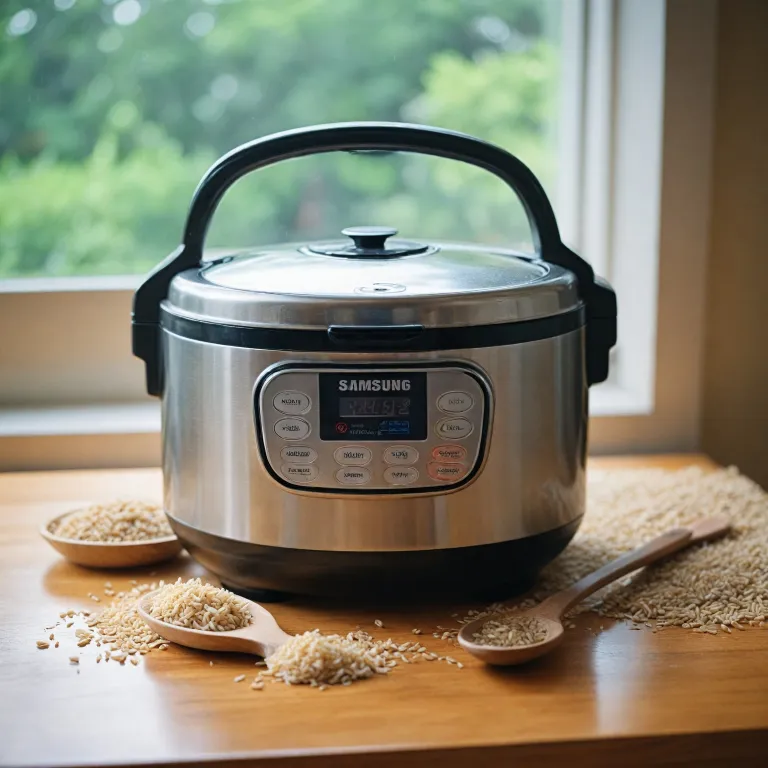

Understanding brown rice and its cooking challenges
What Makes Brown Rice Different?
Brown rice stands out from white rice because it keeps its bran and germ layers. This means it has more fiber, nutrients, and a slightly chewy texture. The outer layers also make cooking brown rice a bit more challenging, especially when compared to white rice. If you’ve tried to cook brown rice in a regular pot or even a basic rice cooker, you might have noticed it takes longer and sometimes ends up unevenly cooked or too firm.
Common Cooking Challenges
Cooking brown rice can be tricky for a few reasons:
- Water absorption: Brown rice grains need more water than white rice to soften properly.
- Cooking time: The bran layer slows down the cooking process, so brown rice takes longer to cook than white rice.
- Texture: Without the right water ratio and cooking method, brown rice can turn out undercooked or mushy.
Many people find it hard to get the right balance of water and time, especially when using a standard rice cooker or pot. This is why understanding the basics of brown rice and its unique needs is important before you start any rice recipe.
Types of Brown Rice and Their Impact
There are several types of brown rice, such as long grain, short grain, and even specialty varieties like jasmine or basmati brown. Each type has its own texture and cooking requirements. For example, long grain brown rice tends to be fluffier, while short grain brown rice is stickier. Knowing which type you have will help you choose the right water ratio and cooking time for your recipe.
Why Preparation Matters
Preparing brown rice properly before cooking can make a big difference in the final result. Rinsing the grains removes excess starch and helps prevent clumping. Some cooks even soak brown rice for 30 minutes to an hour to help the grains absorb water and cook more evenly. These steps can help you get better results, especially if you’re using a rice cooker or electric pressure cooker.
If you’re new to cooking brown rice or want to learn more about the different types of rice and how to prepare them, check out this comprehensive guide to rice cookers for more tips and insights.
Why use an electric pressure cooker for brown rice
How an Electric Pressure Cooker Transforms Brown Rice Cooking
Cooking brown rice can be tricky. The grains are tougher than white rice, and they need more water and time to cook. Many home cooks struggle with chewy, undercooked, or mushy results. This is where an electric pressure cooker really shines.
- Consistent Results: Electric pressure cookers use controlled heat and pressure to cook brown rice evenly. This helps each grain cook through, so you get fluffy, tender rice every time.
- Time-Saving: Traditional stovetop methods can take up to an hour for brown rice. With a pressure cooker, you can cut the cooking time to about 20-25 minutes, depending on the recipe and grain type.
- Better Texture: The sealed environment keeps moisture in, so the rice absorbs water efficiently. This is especially important for long grain brown rice and short grain brown rice, which can dry out or clump together if not cooked properly.
- Hands-Off Cooking: Once you add the rice, water, and set the time, the cooker does the rest. No need to watch the pot or adjust the heat.
- Versatility: You can prepare brown rice as a base for many gluten free recipes, or even cook rice and lentils together for a nutritious meal. For more on this, check out this guide to mastering rice and lentils in an electric pressure cooker.
Whether you are cooking a single cup or a larger batch, the electric pressure cooker makes it easier to get the right rice water ratio and perfect texture. This appliance is especially helpful for those who want to cook brown rice regularly, experiment with different rice recipes, or simply save time in the kitchen.
Preparing brown rice for the rice cooker
Getting your brown rice ready for the cooker
Before you start cooking brown rice in your electric pressure cooker, a little preparation goes a long way. Brown rice, whether long grain or short grain, has a tougher outer layer than white rice. This means it needs some extra attention for the best results.
- Rinse the grains: Place your brown rice in a fine mesh strainer and rinse under cold water. This step removes excess starch and helps prevent sticking during cooking. Swirl the grains gently with your hand until the water runs clear.
- Measure carefully: Use the measuring cup that comes with your cooker or a standard cup. Accurate measurement ensures the right rice-to-water ratio, which is crucial for fluffy, well-cooked brown rice. For most recipes, the typical ratio is 1 cup of brown rice to 1.25–1.5 cups of water, but always check your cooker’s manual for specific guidance.
- Soak if you have time: Soaking brown rice for 20–30 minutes before cooking can help soften the grains and reduce cooking time. This step is optional, but it can make a difference, especially for long grain brown rice.
- Add flavor if desired: For more taste, you can add a pinch of salt, a splash of oil, or even a bay leaf to the pot before starting the cooking process. These simple additions can enhance your rice recipe without complicating the process.
Once your brown rice is rinsed, measured, and optionally soaked, it’s ready to go into the cooker. Make sure the inner pot is clean and dry before adding the rice and water. If you’re interested in how certain features can improve your rice cooking experience, check out this guide on how Express Aroma enhances your electric pressure cooker experience.
With these steps, you’re set up for success as you move on to the actual cooking process. Proper preparation helps ensure your brown rice will be cooked evenly, with each grain tender and separate—ideal for gluten free diets and a variety of rice recipes.
Step-by-step guide to cooking brown rice in a rice cooker
Gathering your ingredients and tools
Before you start, make sure you have everything ready. You’ll need your rice cooker, measuring cup, brown rice (long grain or short grain), and fresh water. Some recipes recommend rinsing the grains to remove excess starch and improve texture. For most rice cookers, a standard measuring cup is about 180 ml.
Measuring rice and water: Getting the ratio right
The water ratio is crucial for cooking brown rice. Unlike white rice, brown grains need more water and a bit more time. A common ratio is 1 cup of brown rice to 2 cups of water. For firmer grains, use slightly less water. If you’re using a rice cooker with a brown rice setting, follow the manufacturer’s instructions, as some models adjust the cooking time and water automatically.
- 1 cup long grain brown rice: 2 cups water
- 1 cup short grain brown rice: 2 to 2.25 cups water
Adding rice and water to the cooker
Place the rinsed brown rice in the cooker pot. Add the measured water. If you want to enhance the flavor, you can add a pinch of salt or a splash of oil. Stir gently to distribute the grains evenly. Make sure the pot is properly seated in the cooker.
Selecting the right cooking program
Most modern rice cookers have a dedicated brown rice or whole grain setting. This setting adjusts the cooking time and temperature for optimal results. If your cooker doesn’t have this, use the regular cook setting, but be prepared for a longer cooking time—typically 45 to 60 minutes for brown rice. Don’t open the lid during cooking, as this can affect the steam and water ratio.
Letting the rice rest after cooking
Once the cooker signals that the rice is done, let it sit with the lid closed for about 10 minutes. This resting period allows the grains to finish absorbing water and become fluffier. Use a rice paddle or fork to gently fluff the cooked brown rice before serving.
Tips for perfect results every time
- Always use the same measuring cup for rice and water to maintain the correct ratio.
- For softer grains, add a little more water next time you cook brown rice.
- Experiment with adding spices or broth for extra flavor in your rice recipes.
- Brown rice is naturally gluten free, making it a great choice for many diets.
Troubleshooting common issues with brown rice in rice cookers
Common Problems and Practical Fixes
Even with the best rice cooker and a reliable brown rice recipe, you might face a few challenges. Brown rice, whether long grain or short grain, can be tricky compared to white rice. Here are some typical issues and how to address them for better results every time you cook brown rice.
- Rice too hard or undercooked: This often means there wasn’t enough water or the cooking time was too short. Try increasing the water ratio slightly—add an extra 1/4 cup of water per cup of brown rice. Let the cooked brown rice sit in the pot for 10 minutes after the cooker switches to warm. This helps the grains finish steaming and softens them.
- Rice too mushy or sticky: Too much water or overcooking can cause this. Next time, reduce the water slightly or shorten the cooking time by a few minutes. Always use the measuring cup that comes with your cooker for accuracy. Rinsing the grains before cooking also helps remove excess starch, which can make rice sticky.
- Rice sticking to the pot: Some sticking is normal, especially with brown rice, but excessive sticking can be avoided. Lightly oil the bottom of the cooker pot before adding rice and water. Stir the rice and water gently before starting the cooker. Avoid opening the lid during cooking, as this can disrupt the cooking process.
- Unevenly cooked grains: If some grains are hard while others are soft, make sure you’re not overfilling the cooker. Stir the rice and water before cooking to distribute the grains evenly. For large batches, consider cooking in smaller portions for more consistent results.
- Burnt or scorched rice: This can happen if the water evaporates too quickly or the cooker’s heat is too high. Double-check the water ratio and avoid using the "quick cook" setting for brown rice. If your cooker has a brown rice or whole grain setting, use it for best results.
Tips for Consistent Results
- Always use the correct water to rice ratio for brown rice. This is different from white rice and is crucial for fluffy, gluten free grains.
- Let the rice rest after cooking. Keeping the lid closed for 10-15 minutes allows the steam to finish cooking the grains evenly.
- Experiment with your specific rice cooker. Each model may require slight adjustments in water or time, especially for long grain or short grain brown rice recipes.
By paying attention to these details, you’ll be able to prepare brown rice that’s perfectly cooked, whether you’re following a simple rice recipe or trying new flavors. Remember, patience and a little practice go a long way in mastering brown rice in your cooker.
Enhancing your brown rice: flavor and serving ideas
Creative Ways to Boost Flavor and Presentation
Once you’ve mastered the basics of cooking brown rice in your cooker, it’s time to explore how to make your grains more exciting. Brown rice is naturally nutty and hearty, but a few simple tweaks can transform it into a star side or even a main dish. Here are some practical ideas to enhance both flavor and serving style, whether you’re using long grain, short grain, or any variety in your rice cooker.
- Infuse with Broth: Replace some or all of the water with vegetable, chicken, or beef broth. This adds depth and a savory note to your cooked brown rice. Adjust the water ratio as needed to avoid mushy grains.
- Add Aromatics: Before starting the cooking cycle, toss in a bay leaf, a cinnamon stick, or a few cloves of garlic. These ingredients infuse the rice with subtle flavors during the cooking time.
- Mix in Vegetables: Stir in diced carrots, peas, or bell peppers after rinsing the rice but before adding water. The steam will cook the vegetables along with the grains, making a complete gluten free meal in one pot.
- Finish with Fresh Herbs: Once the rice is cooked, fluff it with a fork and sprinkle chopped parsley, cilantro, or green onions for a burst of color and freshness.
- Try Nutty Additions: Toasted almonds, cashews, or sesame seeds add crunch and a rich flavor to your brown rice recipes. Add these after cooking for best texture.
- Dress It Up: A drizzle of olive oil, a squeeze of lemon, or a splash of soy sauce can elevate the taste of your brown rice instantly. These are especially good for long grain brown rice, which absorbs flavors well.
Serving Suggestions for Every Meal
Brown rice is versatile and pairs well with a variety of dishes. Here are some serving ideas to inspire your next meal:
- As a Base: Use cooked brown rice as a base for stir-fries, curries, or grain bowls. The hearty texture holds up well to sauces and toppings.
- In Salads: Let the rice cool, then toss with chopped vegetables, beans, and a light vinaigrette for a filling, gluten free salad.
- With Protein: Serve alongside grilled chicken, fish, or tofu for a balanced plate. The nutty flavor of brown rice complements both mild and bold seasonings.
- For Breakfast: Try a warm bowl of brown rice with milk, honey, and fruit for a wholesome start to your day. Short grain brown rice works especially well for this recipe.
Remember, the key to great brown rice is not just the cooking process but also how you finish and serve it. Experiment with different combinations to find your favorite way to enjoy this nutritious grain.