
Understanding the differences between brown and white rice
What Sets Brown Rice Apart from White Rice?
When you prepare brown rice in a rice cooker, understanding the differences between brown and white rice is key to achieving the perfect result. Brown rice is a whole grain, meaning it retains its bran and germ layers. This makes it richer in fiber, vitamins, and minerals compared to white rice, which has these layers removed during processing. The presence of these layers gives brown rice its characteristic nutty flavor and chewy texture.
How Grain Structure Impacts Cooking
The structure of brown rice grains means they absorb water differently and require a longer cooking time than white rice. For example, long grain brown rice and short grain brown rice will both need more water and time in the cooker than their white counterparts. This is why the water ratio and cooking time are so important when you want to cook brown rice perfectly.
- Brown rice: Whole grain, higher in nutrients, needs more water and time to cook
- White rice: Refined grain, cooks faster, softer texture
Why Water Ratios and Soaking Matter
Because brown rice grains are less processed, they are denser and less porous. This means you need to adjust the water ratio and sometimes soak the grains before cooking. Using the right amount of water and soaking time will help you avoid undercooked or overly chewy rice. If you want a step-by-step approach to perfect brown rice, this guide to mastering brown rice in your rice cooker offers practical tips and a reliable rice recipe.
Choosing the Right Grain for Your Recipe
Whether you prefer long grain brown rice for fluffy pilafs or short grain brown rice for stickier dishes, knowing the grain type will help you select the right water ratio and cooking method. Measuring your rice and water accurately with a measuring cup is essential for consistent results. The next sections will help you choose the best rice cooker for brown rice, determine the ideal water ratio, and troubleshoot common issues so you can prepare brown rice with confidence.

Choosing the right rice cooker for brown rice
Key Features to Look For in a Rice Cooker
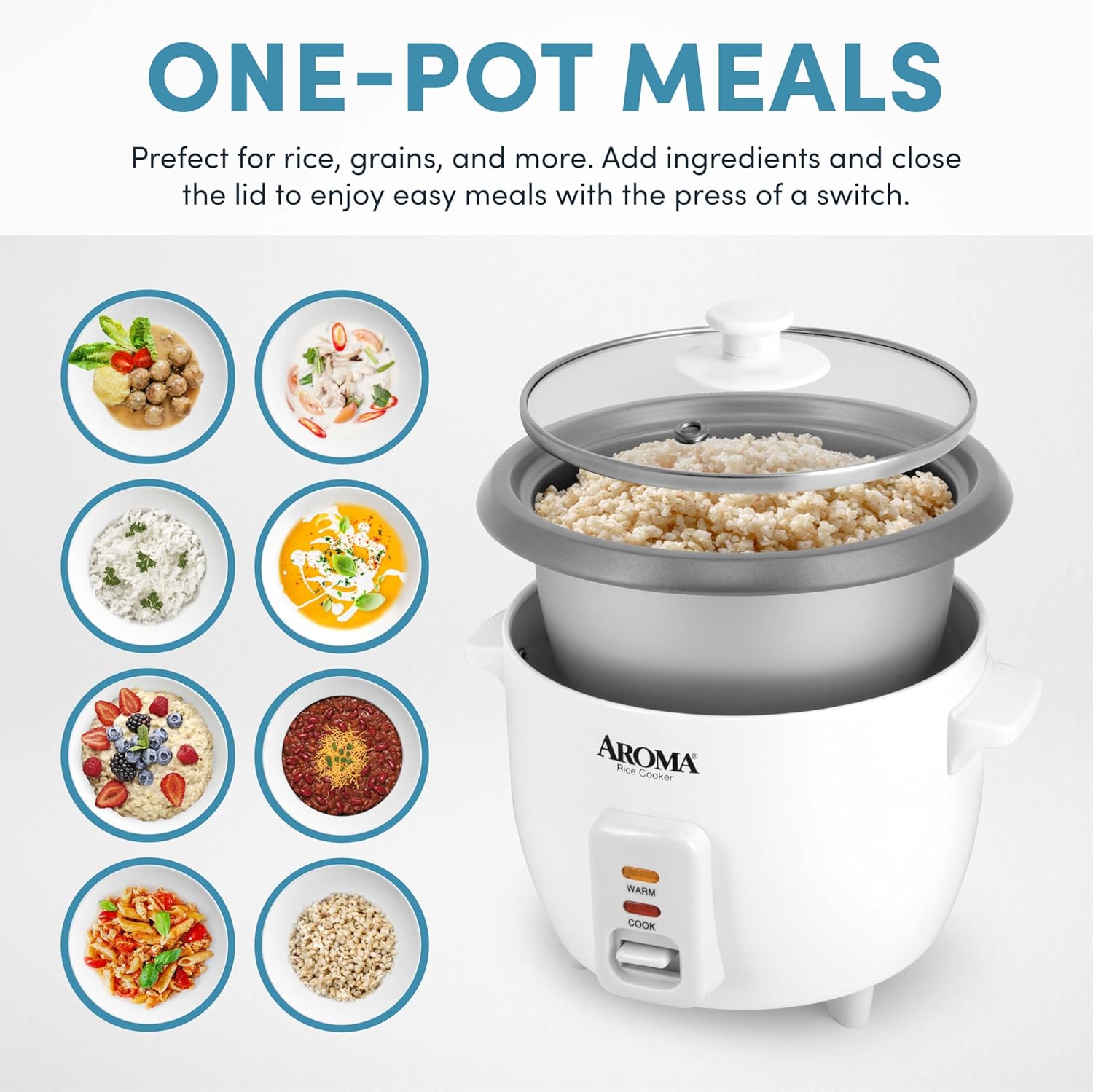
When preparing brown rice, not every rice cooker will deliver the same results. Brown rice grains are tougher and require more cooking time and water than white rice. Choosing the right cooker can make the difference between chewy, undercooked grains and a perfect brown rice recipe.
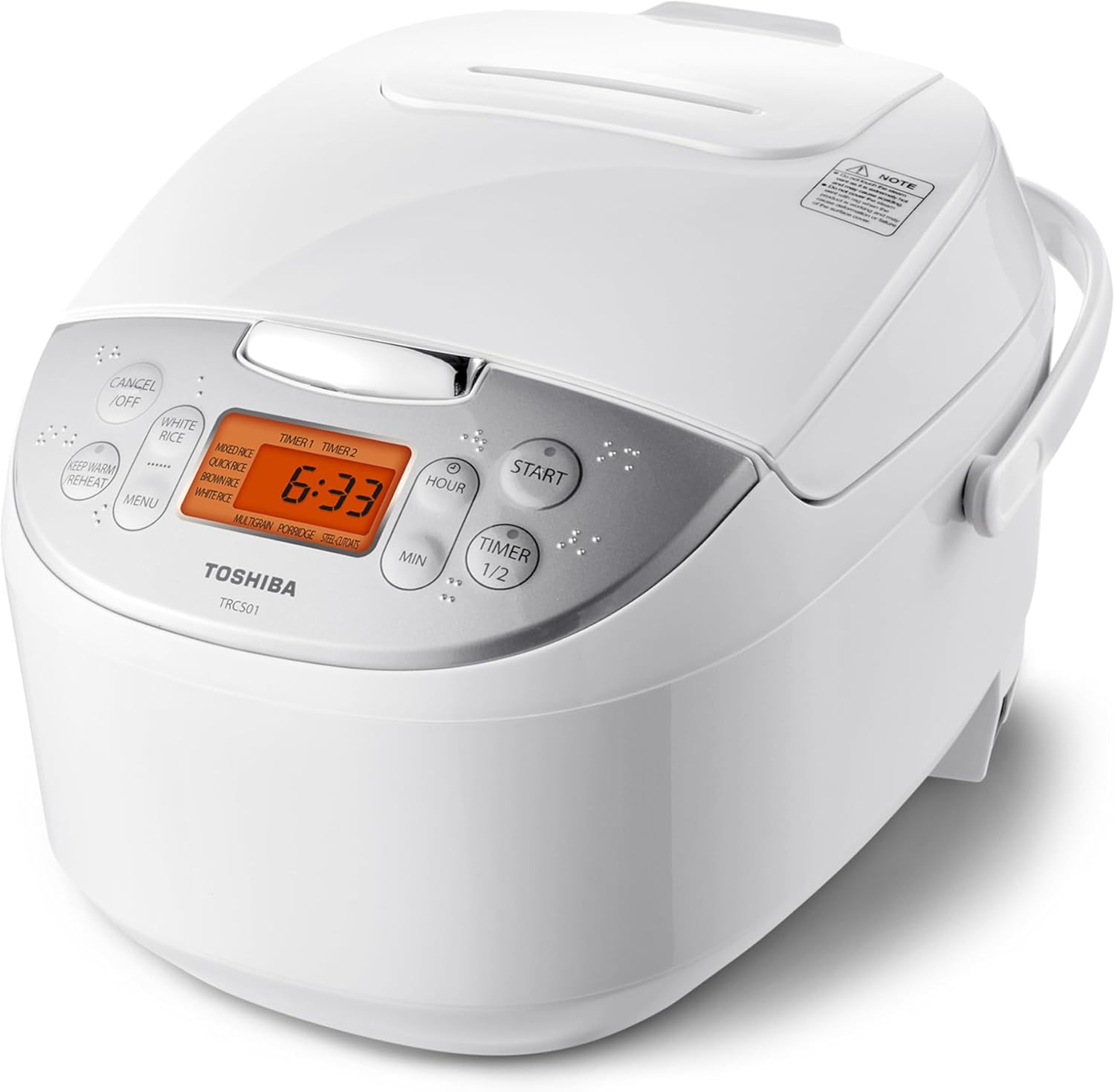
- Brown Rice Setting: Some cookers have a dedicated brown rice or "whole grain" setting. This adjusts the cooking time and water ratio automatically, making it easier to achieve fluffy, tender grains.
- Fuzzy Logic Technology: Advanced models use sensors to monitor moisture and temperature, adjusting the cooking process for different grain types. This is especially helpful for long grain brown rice or short grain brown rice, as each absorbs water differently.
- Capacity: Consider how much rice you typically prepare. A standard measuring cup for rice is about 180ml. If you cook brown rice often or in larger batches, a cooker with a bigger capacity will save time and effort.
- Keep Warm Function: Brown rice benefits from resting after cooking. A keep warm feature helps maintain the perfect texture without drying out the grains.
- Easy-to-Clean Pot: Non-stick or stainless steel inner pots make cleanup easier, especially when cooking brown rice, which can stick more than white rice.
Why Cooker Choice Matters for Brown Rice
Brown rice needs more water and a longer cook time than white rice. Some basic cookers are designed mainly for white rice and may not handle the extra water ratio or extended cooking time needed for brown grains. This can lead to unevenly cooked rice or hard grains at the bottom of the pot. Investing in a cooker brown rice can handle will help you prepare brown rice that’s consistently tender and flavorful.
Popular Types of Rice Cookers
| Type | Best For | Notes |
|---|---|---|
| Basic On/Off | White rice, small batches | May require manual adjustments for brown rice |
| Digital/Fuzzy Logic | Brown rice, mixed grains, recipes with varying water ratios | Offers more control over cook time and water ratio |
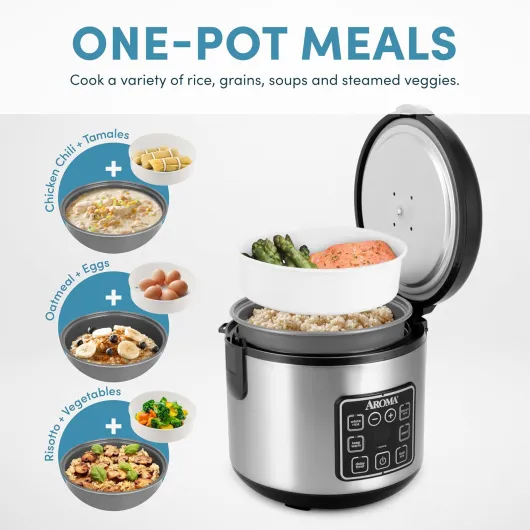
| Multi-Cooker (e.g., electric pressure cooker) | Brown rice, lentils, beans, one-pot meals | Versatile for different grains and recipes |
If you’re interested in expanding your grain cooking beyond brown rice, check out this guide on mastering rice and lentils in an electric pressure cooker for more tips on preparing perfect grains.
Choosing the right rice cooker is a crucial step in your journey to perfect brown rice. The right features will help you manage water ratios, cook time, and grain texture, setting you up for success in every brown rice recipe you prepare.
Water ratios and soaking tips for brown rice
Finding the Right Water Ratio for Brown Rice
Getting the water ratio right is essential for perfect brown rice in your cooker. Unlike white rice, brown rice grains have a tougher outer layer, so they need more water and a bit more time to cook. For most long grain brown rice, the standard ratio is 1 cup rice to 2 cups water. For short grain brown rice, you might need slightly less water, around 1 cup rice to 1.75 cups water. Always use the measuring cup that comes with your rice cooker for best results, as cup sizes can vary.
Soaking Tips for Better Texture
Soaking brown rice before cooking can make a big difference. If you have time, soak your grains for 30 minutes to an hour. This helps soften the bran layer and leads to fluffier, more evenly cooked rice. Just remember to drain the soaking water and use fresh water for cooking, following the recommended water ratio for your recipe.
Adjusting for Your Cooker and Rice Type
- Long grain brown rice usually needs a bit more water and time than short grain.
- Short grain brown rice tends to be stickier, so less water is often better.
- Some rice cookers have a dedicated "brown rice" setting, which automatically adjusts the cooking time and temperature. If yours doesn’t, you may need to experiment with the water ratio and cooking time to get the perfect brown rice.
Extra Tips for Cooking Brown Rice
- Don’t open the lid during cooking. Let the cooker do its job for the full time.
- After the cooking cycle ends, let the rice sit in the cooker for 10-15 minutes before opening. This resting time allows the grains to finish absorbing water and results in a better texture.
- If you want to add extra flavor, try adding a pinch of salt or a splash of olive oil to the water before cooking.
For those who love experimenting with different grains and cooking methods, you might also enjoy learning about how to get perfect results with other kitchen appliances.
Step-by-step guide to cooking brown rice in a rice cooker
Preparing Your Rice and Cooker
Start by measuring your brown rice using the measuring cup that comes with your rice cooker. For most recipes, one cup rice is a standard portion. Rinse the grains under cold water until the water runs clear. This step helps remove excess starch and prevents the rice from becoming gummy. Place the rinsed brown rice into the cooker’s inner pot.Adding the Right Amount of Water
The water ratio is crucial for perfect brown rice. Generally, use about 2 cups water for every 1 cup rice. Some rice cookers have specific water lines for brown rice, so check your model’s markings if available. For long grain brown rice, stick to the 2:1 ratio. For short grain brown rice, you might need slightly less water—about 1.75 cups water per cup rice. If you want softer grains, add a bit more water.Setting the Cooking Program
Close the lid securely. Select the “brown rice” or “whole grain” setting if your cooker has one. If not, use the regular “cook” function. Cooking time for brown rice is longer than white rice, typically 45 to 60 minutes depending on the grain and your cooker. Avoid opening the lid during cooking, as this can affect the texture and cooking time.Letting the Rice Rest
Once the cooker signals that it’s done, let the rice sit with the lid closed for at least 10 minutes. This resting period allows the grains to finish absorbing steam and water, resulting in fluffier rice. Use a rice paddle or fork to gently fluff the rice before serving.- Measure rice and rinse thoroughly
- Add correct water ratio for your grain type
- Set the appropriate cooking program
- Let the rice rest before fluffing and serving
Troubleshooting common issues with brown rice in a rice cooker
Common Problems and How to Fix Them
Cooking brown rice in a rice cooker can sometimes be tricky, especially if you’re used to preparing white rice. Here are some typical issues you might encounter and practical ways to address them for perfect brown rice every time.
- Rice is too hard or undercooked: Brown rice grains are tougher than white rice, so they need more water and a longer cooking time. If your rice is still firm after the cycle ends, add a little more water (about 1/4 cup per cup of rice), stir, and run another short cooking cycle or use the 'keep warm' setting for 10-15 minutes.
- Rice is mushy or sticky: Too much water or overcooking can cause this. Double-check your water-to-rice ratio. For most long grain brown rice, a ratio of 2 cups water to 1 cup rice works well, but some rice cookers may need slight adjustments. Avoid stirring during cooking, as this can break the grains and create a sticky texture.
- Rice sticks to the bottom of the cooker: This can happen if there’s not enough water or if the cooker’s nonstick coating is worn. Make sure to rinse your brown rice thoroughly before cooking to remove excess starch, and consider adding a teaspoon of oil to the water to help prevent sticking.
- Unevenly cooked grains: If some grains are soft while others are hard, try soaking your brown rice for 30 minutes before cooking. This helps the grains absorb water evenly and cook more consistently.
- Rice cooker switches to 'warm' too soon: Some rice cookers are calibrated for white rice and may not account for the longer cooking time needed for brown rice. If this happens, simply let the rice sit on the 'keep warm' setting for an extra 10-20 minutes. The steam will continue to cook the grains.
Tips for Consistent Results
- Always use the same measuring cup for both rice and water to maintain the correct ratio.
- Experiment with your specific rice cooker model, as water needs can vary between brands and types.
- For short grain brown rice, you might need slightly less water compared to long grain varieties. Adjust the ratio by 1/4 cup increments if needed.
- Let the rice rest for 5-10 minutes after cooking. This helps the grains firm up and makes serving easier.
By paying attention to your water ratio, soaking time, and the specific needs of your rice cooker, you’ll be able to prepare brown rice that’s fluffy, tender, and perfect for any recipe.
Enhancing flavor and nutrition in brown rice dishes
Boosting Flavor with Simple Additions
Cooking brown rice in your rice cooker can be more than just a basic side dish. To make your grain brown rice stand out, consider adding a few ingredients before you start the cooking process. For example, a pinch of salt, a splash of olive oil, or a knob of butter can enhance the natural nutty taste of brown grains. Some people like to add a bay leaf or a cinnamon stick for a subtle aroma. If you want a savory touch, try tossing in a clove of garlic or a few slices of onion. These additions infuse the rice with extra flavor as it cooks, making your brown rice recipe more appealing.
Maximizing Nutrition in Every Cup
Brown rice is already a nutritious choice compared to white rice, thanks to its higher fiber and mineral content. To further boost the nutritional value, you can add vegetables like peas, carrots, or chopped spinach directly into the cooker. Legumes such as lentils or chickpeas also pair well with brown rice and cook at a similar time, making it easy to prepare a balanced meal in one go. Remember to adjust the water ratio slightly if you add extra ingredients, as vegetables and legumes may absorb or release water during cooking.
Tips for Texture and Taste
- Use the correct water ratio for your rice type. Long grain brown rice usually needs more water than short grain rice. A general guideline is 2 cups water for every cup rice, but always check your rice cooker's manual.
- Soaking brown rice for 30 minutes before cooking can help achieve a softer texture and reduce cooking time.
- For a richer flavor, substitute part of the water with low-sodium broth.
Serving Suggestions for Perfect Brown Rice
Once your cooker brown rice is ready, fluff the grains with a fork to separate them. Serve as a base for stir-fries, curries, or grain bowls. Leftover brown rice can be used in salads or fried rice recipes. If you want to prepare brown rice ahead of time, store it in an airtight container in the fridge for up to five days.
| Rice Type | Water Ratio (cups water : cup rice) | Suggested Add-ins |
|---|---|---|
| Long grain brown | 2 : 1 | Bay leaf, olive oil, peas |
| Short grain brown | 2.25 : 1 | Butter, carrots, garlic |
| White rice | 1.5 : 1 | Onion, broth, herbs |