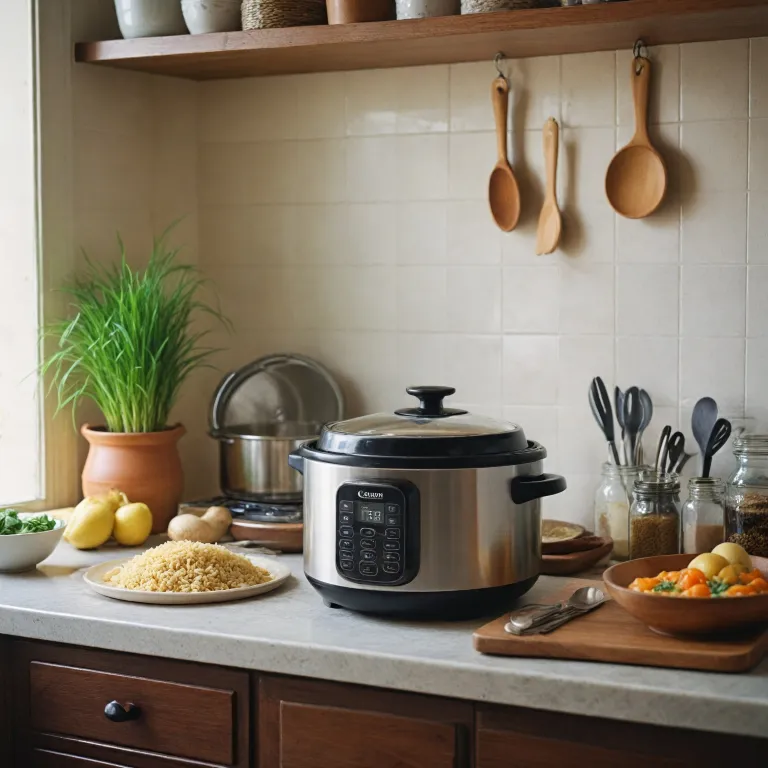

Understanding the differences between brown and white rice
What Makes Brown Rice Unique Compared to White Rice?
When you look at rice, the main difference between brown and white varieties comes down to how much of the grain is left intact after processing. Brown rice is a whole grain, meaning it keeps its bran and germ layers. This gives it a slightly chewy texture, a nutty flavor, and a tan color. White rice, on the other hand, has these layers removed, resulting in a softer, milder grain that cooks faster but loses some nutrients and fiber.
- Brown rice is higher in fiber, vitamins, and minerals than white rice.
- It takes longer to cook brown rice because the bran layer slows water absorption.
- Brown rice is naturally gluten free, making it a good choice for many diets.
- There are different types of brown rice, including long grain and short grain, each with its own texture and cooking time.
Cooking brown rice in a rice cooker can be a bit different from cooking white rice. The water ratio, cooking time, and even the type of rice cooker you use can affect the final result. For example, a standard rice recipe for white rice might call for a 1:1.5 rice to water ratio, but brown rice often needs more water and a longer cook time. If you’re interested in exploring other whole grains in your rice cooker, check out this guide to cooking quinoa in a rice cooker for more ideas.
Understanding these differences is key before you prepare brown rice, adjust your water ratio, or try new recipes in your cooker. The next sections will cover why a rice cooker is a great tool for brown rice, how to prepare your grains, and tips for perfect results every time.
Why use a rice cooker for brown rice
Why a Rice Cooker Makes Brown Rice Easier
Cooking brown rice can be tricky, especially compared to white rice. The outer bran layer of brown grains means they need more water and a longer cooking time. This is where a rice cooker really shines. With a rice cooker, you don’t have to constantly watch the pot or worry about the water ratio. The cooker automatically adjusts the heat and timing, making it much easier to get perfectly cooked brown rice every time.
Consistent Results with Less Effort
One of the main reasons to use a rice cooker for brown rice is consistency. Whether you’re making long grain or short grain brown rice, the cooker takes care of the details. You simply add the rice, water, and select the right setting. This is especially helpful for those new to cooking brown rice or anyone who wants a reliable rice recipe for busy days.
- Hands-off cooking: No need to stir or check the pot.
- Automatic shut-off: Most rice cookers switch to ‘keep warm’ mode when the rice is done, so there’s less risk of burning.
- Versatility: Many rice cookers have settings for different grains, so you can easily switch between white rice, brown rice, or even gluten free recipes like lentils. For more on this, check out how to perfectly cook lentils using a rice cooker.
Better Texture and Flavor
Because a rice cooker controls the temperature and water absorption, you get fluffy, separate grains instead of sticky or undercooked rice. This is true whether you’re preparing a single rice cup or a large batch. The even cooking process helps bring out the nutty flavor of brown rice, making it a great base for many recipes.
In the next section, you’ll learn how to prepare brown rice before cooking, including tips on rinsing and soaking for the best results.
Preparing brown rice before cooking
Getting Brown Rice Ready for Cooking
Before you start cooking brown rice in your rice cooker, a little preparation goes a long way. Brown rice has a tougher outer layer compared to white rice, which means it needs some extra attention to achieve the best texture and flavor. Here’s how to prepare brown rice for a successful cooking experience every time.
- Rinse thoroughly: Place the brown rice in a fine mesh strainer and rinse under cold water. Swirl the grains with your hand to remove excess starch and any debris. This step helps prevent the rice from becoming gummy during cooking.
- Soak for better texture (optional): If you have time, soak the brown rice in water for 30 minutes to an hour before cooking. Soaking helps soften the tough bran layer, leading to more evenly cooked grains and a shorter cooking time in your rice cooker.
- Measure accurately: Use the correct rice-to-water ratio for your recipe. For most long grain brown rice, the typical ratio is 1 cup of rice to 2 cups of water. Short grain brown rice may need a little less water. Always check your rice cooker’s manual for specific recommendations, as some models have markings for brown rice water levels.
- Drain well: After rinsing (and soaking, if you choose), drain the rice thoroughly. Excess water can throw off the water ratio and affect the final texture of your cooked brown rice.
- Consider add-ins: At this stage, you can add a pinch of salt, a splash of oil, or even a bay leaf to the pot for extra flavor. These small touches can enhance your brown rice recipe without complicating the process.
Taking these steps will help ensure your brown rice cooks evenly and comes out fluffy, not sticky. Whether you’re making a gluten free grain bowl, a side for your favorite recipes, or experimenting with new flavors, proper preparation is key. If you’re looking for more inspiration on how to use your rice cooker for hearty meals, check out these Instant Pot soup recipes that pair perfectly with cooked brown rice.
Step-by-step guide to cooking brown rice in a rice cooker
Simple Steps for Fluffy Brown Rice
Cooking brown rice in a rice cooker is straightforward, but getting it just right can make a big difference in taste and texture. Here’s a practical guide to help you achieve perfectly cooked brown rice every time, whether you’re using long grain or short grain varieties.
- Measure your rice and water: For most brown rice recipes, the standard ratio is 1 cup of brown rice to 2 cups of water. This water ratio ensures the grains absorb enough moisture to become tender. If you’re using a rice cup (often included with your cooker), make sure to use the same cup for both rice and water measurements.
- Rinse the rice: Place the brown rice in a fine mesh strainer and rinse under cold water until the water runs clear. This step removes excess starch and helps prevent sticking.
- Add rice and water to the cooker: Transfer the rinsed brown rice to the rice cooker pot. Add the measured water. For extra flavor, you can substitute some of the water with broth or add a pinch of salt.
- Select the right cooking setting: Many modern rice cookers have a specific setting for brown rice. If yours does, use it. If not, use the regular or white rice setting, but expect a longer cooking time for brown grains—usually between 45 and 60 minutes, depending on your model and the type of brown rice (long grain or short grain).
- Let it rest after cooking: Once the cooker signals that the rice is done, let it sit with the lid closed for about 10 minutes. This resting time allows the grains to finish absorbing steam, resulting in fluffier cooked brown rice.
- Fluff and serve: Open the lid and gently fluff the rice with a fork or rice paddle. This helps separate the grains and releases any trapped steam.
These steps work for most brown rice recipes, whether you’re preparing a gluten free side dish or a base for your favorite rice recipe. Adjust the water ratio slightly if you prefer softer or firmer grains, and remember that each rice cooker may have its own quirks. Experiment a bit to find what works best for your cooker and taste preferences.
Adjusting for different rice cooker models and features
Finding the Right Settings for Your Rice Cooker
Not all rice cookers are created equal. Some offer a simple one-button operation, while others have dedicated settings for brown rice, white rice, or even grains like quinoa. Understanding your cooker’s features is key to getting consistently cooked brown rice every time.
- Basic models: If your cooker only has a single cook button, you’ll need to pay attention to the water ratio and cooking time. Brown rice generally needs more water and a longer cook time than white rice. A common starting point is 2 cups of water for every cup of brown rice, but always check your manual for specific recommendations.
- Advanced models: Many newer rice cookers have a “brown rice” setting. This setting automatically adjusts the cooking time and temperature to suit the denser, chewier grain of brown rice. Using this function can help you avoid undercooked or mushy results.
- Multi-cookers: If you’re using a multi-cooker or electric pressure cooker, look for a “rice” or “grain” function. These often allow you to select between long grain brown, short grain, or white rice. For brown rice, use the brown or whole grain setting and follow the recommended water ratio in your manual.
Adjusting Water Ratios and Cooking Times
Different rice cooker models may require slight tweaks to the standard water-to-rice ratio. For example, some pots retain more steam, so you might need less water. Others vent more, requiring a bit extra. If your first batch of brown rice turns out too firm or too soft, adjust the water by a quarter cup next time.
| Rice Type | Water Ratio (cups water : 1 cup rice) | Approx. Cooking Time (minutes) |
|---|---|---|
| Long grain brown | 2 to 2.5 | 45-55 |
| Short grain brown | 2 | 50-60 |
| White rice | 1.5 | 25-35 |
Always measure your rice and water using the same cup for accuracy. If your cooker comes with a measuring cup, use it for both rice and water to maintain the intended ratio.
Special Features and Troubleshooting
- Keep warm function: Most rice cookers switch to “keep warm” automatically. Letting your brown rice rest on this setting for 10-15 minutes after cooking helps the grains finish steaming and improves texture.
- Non-stick pot: If your cooker has a non-stick pot, avoid using metal utensils to prevent scratches. This helps maintain even cooking and easy cleanup.
- Gluten free needs: Brown rice is naturally gluten free, but always clean your cooker thoroughly if you also cook gluten-containing grains to avoid cross-contamination.
Experiment with your specific rice cooker model to find the perfect water ratio and cook time for your favorite brown rice recipes. With a bit of practice, you’ll master the art of cooking brown rice in any cooker, whether you prefer long grain or short grain varieties.
Tips for flavoring and serving brown rice
Enhancing the Taste and Texture of Brown Rice
Once your brown rice is cooked in the rice cooker, you can easily boost its flavor and make it more appealing. Brown rice has a naturally nutty taste and chewy texture, but a few simple steps can make it even better.
- Add flavor during cooking: Try adding a pinch of salt, a splash of olive oil, or a small piece of butter to the water before starting the cooker. For extra aroma, toss in a bay leaf, garlic clove, or a cinnamon stick. These additions infuse the grains as they cook.
- Mix in broth: Replace some or all of the water with low-sodium vegetable or chicken broth. This deepens the flavor without complicating the recipe.
- Stir in herbs and spices: After the rice is cooked, gently fluff it with a fork and mix in fresh herbs like parsley, cilantro, or chives. Ground spices such as cumin, turmeric, or smoked paprika can also be sprinkled in for a new twist.
- Try add-ins: For a heartier dish, stir in cooked vegetables, toasted nuts, or seeds. Sautéed onions, peas, or chopped bell peppers work well. For a gluten free boost, add cooked beans or lentils.
Serving Suggestions for Brown Rice
Brown rice is incredibly versatile and pairs well with many dishes. Here are some easy serving ideas to get the most out of your cooked brown rice:
- As a base for bowls: Use brown rice as the foundation for grain bowls, topped with protein, roasted veggies, and a drizzle of sauce.
- Side dish: Serve alongside stir-fries, curries, or grilled meats. The chewy grains complement both bold and mild flavors.
- In salads: Let the rice cool, then toss with chopped vegetables, beans, and a light vinaigrette for a filling salad.
- For breakfast: Warm up leftover brown rice with a splash of milk, a sprinkle of cinnamon, and a drizzle of honey for a wholesome, gluten free breakfast.
Tips for Best Results
- Let the rice rest in the cooker for 10 minutes after the cooking time ends. This helps the grains firm up and prevents excess moisture.
- Always use the right water ratio for your rice cooker model and the type of brown rice (long grain, short grain, or medium grain). Too much water can make the rice mushy, while too little leaves it undercooked.
- Measure your rice cup and water carefully for consistent results every time you cook brown rice.
With these tips, you can enjoy perfectly cooked brown rice that’s flavorful, nutritious, and ready for any recipe.